
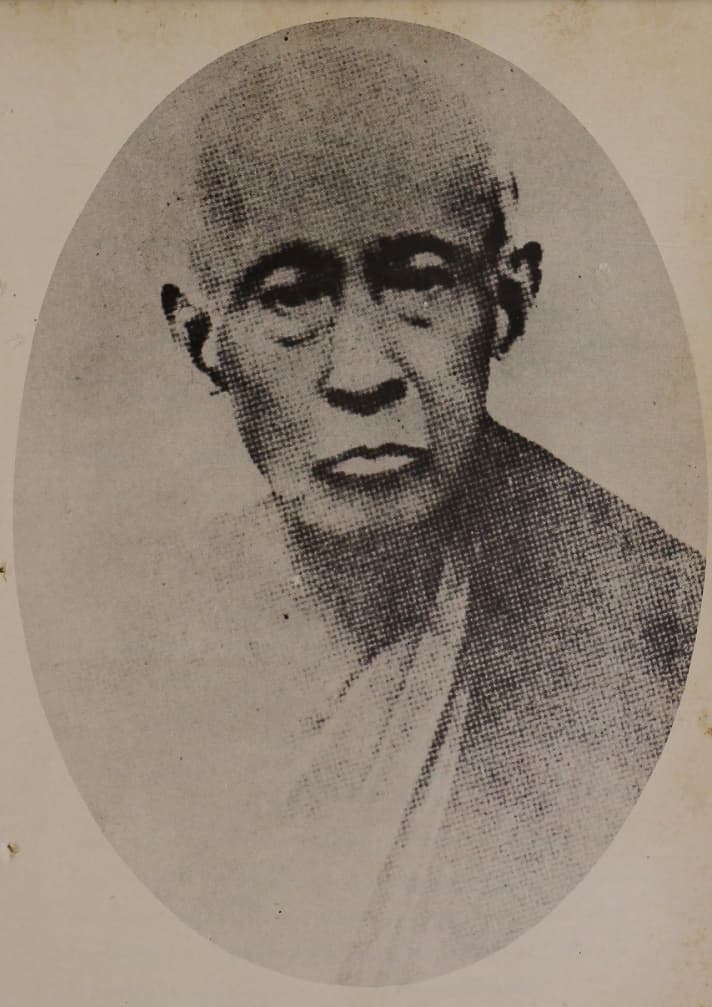
Somdet Phramahasamanachao Kromphraya Vajirananavarorasa
Somdet Phramahasamanachao Kromphraya Vajirananavarorasa was the tenth Supreme Patriarch of Thailand, serving from 1910 to 1921. He was instrumental in institutionalizing Thai Buddhism, reforming religious education, and modernizing the Sangha's administration. His intellectual contributions and leadership significantly shaped the landscape of Buddhism in Siam during a period of considerable change.
Key Facts
- ›Served as the tenth Supreme Patriarch of Thailand from 1910 to 1921.
- ›Was a son of King Mongkut and held a royal princely rank.
- ›Played a key role in establishing and reforming educational institutions for monks, including the Mahāmakuṭa Royal Academy.
- ›Authored numerous PāLI grammar and Buddhist textbooks, redesigning curricula for religious studies.
- ›Founded Dhammacakṣu, the first Buddhist journal in Siam.
- ›Died of tuberculosis in Bangkok in 1921.

Important Relationships
- King Mongkut (father)
- King Chulalongkorn (half-brother)
- Prince Pavareś (preceptor and uncle)
- Francis George Patterson (teacher)
PāLi Grammar and Textbooks, DhammacakṣU
Grand Palace, Bangkok, Wat PavaraniveśA, Wat MakuṭAkṣAtriya
Pali, Siamese
Novice Vows, Bhikkhu Vows
Royal, Monk
About Somdet Phramahasamanachao Kromphraya Vajirananavarorasa
Somdet Phramahasamanachao Kromphraya Vajirananavarorasa, born Prince Manuṣyanāgamānaba, was the tenth Supreme Patriarch of Thailand, holding this esteemed position from 1910 until his death in 1921. He is widely recognized for his pivotal role in institutionalizing and reforming Thai Buddhism during a transformative period.
Life and Historical Context
Born on April 12, 1860, Vajirananavarorasa was a son of King Mongkut and received a comprehensive education within the royal court. His early studies encompassed traditional Siamese and Pāli scriptures, alongside Western subjects like English, French, mathematics, history, and geography. He was ordained as a novice at age 13 and later as a full monk, eventually becoming the Abbot of Wat Pavaraniveśa and Patriarch of the Dhammayuttika order. His royal background and intellectual prowess positioned him to undertake significant reforms within the Sangha.
Major Contributions
Vajirananavarorasa was a leading intellectual who significantly modernized Buddhist education and administration in Siam. He was instrumental in the establishment and curriculum development of the Mahāmakuṭa Royal Academy (now Mahamakut Buddhist University), which aimed to train monks as teachers and scholars. He authored numerous Pāli grammar and Buddhist textbooks, including a rewritten Pāli grammar, and designed curricula that integrated secular subjects with religious studies. In 1894, he founded Dhammacakṣu, the first Buddhist journal in Siam, which disseminated news and articles on Buddhism. He also played a role in the administrative reforms of the Sangha, including the First Sangha Act of 1902, and later revived the Council of Elders.
Later Years and Legacy
Appointed Supreme Patriarch in 1910, Vajirananavarorasa continued his work on religious education, Sangha administration, and scholarship. He developed a new curriculum for Dhamma studies that did not require prior Pāli knowledge, making Buddhist education more accessible. His extensive travels across Siam between 1912 and 1917 allowed him to assess and address the state of the Sangha nationwide. He died of tuberculosis in Bangkok on August 2, 1921, leaving behind a legacy of reform and intellectual contribution to Thai Buddhism.
Source: Wikipedia ↗
Frequently Asked Questions
Who was Somdet Phramahasamanachao Kromphraya Vajirananavarorasa?
Somdet Phramahasamanachao Kromphraya Vajirananavarorasa was the tenth Supreme Patriarch of Thailand, serving from 1910 until his death in 1921. He was a prominent figure in institutionalizing and reforming Thai Buddhism during his tenure.
What was his role in Thai Buddhism?
He was instrumental in modernizing the administration and education within the Sangha. He established and reformed institutions like the Mahāmakuṭa Royal Academy and developed new curricula for religious studies.
What significant publications or contributions did he make?
Vajirananavarorasa authored several Pāli grammar and Buddhist textbooks, significantly influencing the study of Buddhist texts. He also founded Dhammacakṣu, which was the first Buddhist journal published in Siam.
What was his background before becoming Supreme Patriarch?
He was a royal prince, the 47th child of King Mongkut, and received a comprehensive education that included both traditional Buddhist studies and Western subjects. He was ordained as a novice and later as a monk, eventually holding significant positions within the Dhammayuttika order before his appointment as Supreme Patriarch.
When and where did he die?
He died of tuberculosis in Bangkok on August 2, 1921.
Related Buddhists
Somdet Phra Ariyavangsagatayana Somdet Phra Sangharaja
Somdet Phra Ariyawongsakhatayan Somdet Phra Sangharaja, also known as Ariyavangsagatayana II, was the 9th Supreme Patriarch of Thailand during the Rattanakosin era. Renowned as the "Genius Novice of Rattanakosin," he was the first novice to pass all nine grades of the Parian Dhamma examination. He served as abbot of Wat Ratchapradit and later held the supreme ecclesiastical position from 1893 until his death in 1899, leaving behind a significant body of written works and contributing to the printing of the Tipitaka.

Luang Pu Sodh Candasaro
Luang Pu Sodh Candasaro, also known as Phramongkolthepmuni, was a prominent Thai Buddhist monk and abbot of Wat Paknam Bhasicharoen. He is credited with founding the Thai Dhammakaya school and is considered by his tradition to have rediscovered Vijja Dhammakaya, a meditation method believed to have been used by the Buddha. Luang Pu Sodh played a significant role in developing Thai Buddhism during the interbellum and WWII, ordaining the first Western Buddhist monks and influencing key female Buddhist leaders.
Sri Piyaratana Tissa Mahanayake Thero
Sri Piyaratana Tissa Mahanayake Thero was a prominent Buddhist monk and educator in Sri Lanka, serving as the Mahanayaka Thera of the Amarapura Nikaya. He is widely recognized as the founding father of Buddhist education in Sri Lanka, establishing the country's first Buddhist school. His efforts significantly contributed to the revival and safeguarding of Buddhist education during a challenging colonial period.