
Mongkut
Mongkut, posthumously known as King Mongkut the Great, was the King of Siam from 1851 to 1868. He is recognized for initiating significant modernization efforts, embracing Western science and technology, and fostering diplomatic relations, which helped Siam navigate the challenges of Western expansionism. His accurate prediction of a solar eclipse earned him the title "the Father of Science and Technology" in Siam.
Key Facts
- ›Reigned as King of Siam (Rama IV) from 1851 until his death in 1868.
- ›Initiated modernization reforms in technology, science, and culture, embracing Western innovations.
- ›Accurately predicted the total solar eclipse of August 18, 1868, earning him the title "the Father of Science and Technology".
- ›Founded the Dhammayuttika Nikaya (Dhammayut sect) within Siamese Theravada Buddhism, emphasizing strict adherence to monastic rules.
- ›Appointed his younger brother, Prince Chutamani, as Second King (King Pinklao) with equal honor.
- ›His reign saw the negotiation of the Bowring Treaty, which introduced free trade and had significant economic and social impacts on Siam.

Important Relationships
- King Pinklao
- Dit Bunnag
- Tat Bunnag
- Anna Leonowens
- Prince Chulalongkorn
- Queen Somanass
- Queen Debsirindra
Old Palace, Grand Palace, Wat Bowonniwet, Wakor Village, Prachuap Khiri Khan Province
Buddhist Monk
Monarch, Founder of A Sect
About Mongkut
Mongkut (Rama IV)
Mongkut, posthumously honored as King Mongkut the Great, was the King of Siam from the Chakri dynasty, reigning from 1851 until his death in 1868. He is widely recognized for his pivotal role in modernizing Siam, embracing Western innovations, and engaging in crucial diplomatic relations that helped shape the kingdom's trajectory. His reign marked a period of significant change, as Siam navigated the increasing pressures of Western expansionism.
Early Life and Monasticism
Born in 1804, Mongkut was the second son of Prince Itsarasunthon. Following Siamese tradition, he became a Buddhist monk in 1824. During his twenty-seven years of monastic life, he traveled extensively, observed the practices of other monks, and became inspired to pursue religious reforms. In 1835, he initiated the Dhammayuttika Nikaya, or Dhammayut sect, a reform movement within Siamese Theravada Buddhism that emphasized strict adherence to the monastic rules of discipline (vinaya) and a focus on spiritual and moral affairs, refraining from worldly matters.
Reign and Reforms
Ascending the throne in 1851 at the age of 47, Mongkut, who foreigners continued to call King Mongkut, implemented numerous reforms. He embraced modern geography and astronomy, among other sciences, and urged his royal relatives to pursue a "European-style education." He hired missionaries to teach the English language and Western mercenaries to train Siamese troops. Socially, he ordered nobles to wear shirts in court to present Siam as a "modern" nation to Westerners and improved women's rights by banning forced marriages and the selling of wives to pay debts.
Diplomacy and the Bowring Treaty
Mongkut's reign was characterized by significant diplomatic engagements, most notably the Bowring Treaty negotiated with Great Britain in 1855. This treaty introduced free trade, abolished monopolies on foreign trade, and reduced import taxation, leading to dramatic growth in commercial sectors but also impacting national revenue. The treaty also established extraterritoriality for British subjects in Siam, meaning they were subject only to British law.
Scientific Acumen and Legacy
King Mongkut possessed a keen interest in astronomy, studying both indigenous astrology and Western texts. His most famous scientific achievement was the accurate prediction of the total solar eclipse of August 18, 1868, an event later dubbed "the King of Siam's eclipse." This prediction, made using Western methods of longitude and latitude, demonstrated his scientific acumen and played a role in asserting Siam's intellectual equality with Western nations, potentially helping to prevent colonization. During his expedition to observe the eclipse, he contracted malaria, which led to his death six weeks later. His legacy is marked by his efforts to modernize Siam, reform Buddhism, and engage with the world through science and diplomacy, earning him the posthumous title "the Father of Science and Technology."
Source: Wikipedia ↗
Frequently Asked Questions
When did Mongkut reign as King of Siam?
Mongkut reigned as the King of Siam from 1851 until his death in 1868. He was posthumously honored as King Mongkut the Great and titled Rama IV.
What was Mongkut known for regarding science and technology?
Mongkut is renowned for his embrace of Western innovations and his pursuit of scientific knowledge. He initiated reforms in technology and science and accurately predicted the total solar eclipse of August 18, 1868, which led to him being posthumously awarded the title "the Father of Science and Technology" in Siam.
What was Mongkut's role in reforming Buddhism?
During his time as a monk, Mongkut began a reform movement that reinforced monastic discipline and evolved into the Dhammayuttika Nikaya, or Dhammayut sect. This sect emphasized adherence to the vinaya and a focus on spiritual and moral affairs, challenging existing practices in Siamese Buddhism.
How did Mongkut handle Western expansionism?
Mongkut actively engaged with Western powers and embraced Western innovations to modernize Siam. His diplomatic engagements and reforms in technology, science, and culture helped Siam navigate the pressures of Western expansionism and avoid colonization.
Who was King Pinklao and what was his relationship to Mongkut?
King Pinklao was Mongkut's younger brother, Prince Chutamani. Mongkut appointed him as Second King and instructed that he be respected with equal honor to himself, reflecting a tradition of shared royal authority.
Related Buddhists
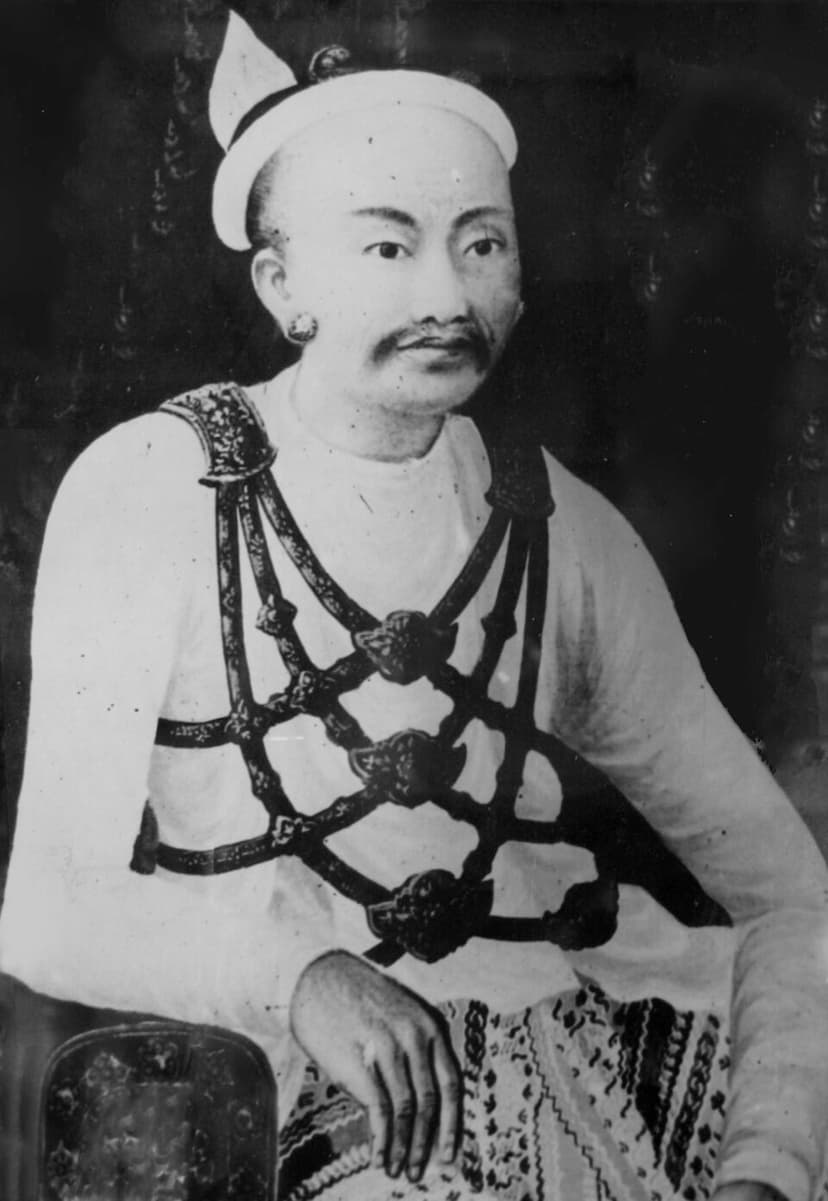
Mindon Min
Mindon Min was the penultimate king of Burma, reigning from 1853 to 1878. He is remembered for his efforts to modernize the kingdom, defend against British encroachment, and for convening the Fifth Buddhist Council. His reign saw significant administrative reforms and the founding of the royal capital of Mandalay.

Bimbisāra
Bimbisara was a significant king of the Haryanka dynasty in Magadha, reigning from the mid-6th to mid-5th centuries BCE. He is known for his territorial expansion, particularly the annexation of Anga, which laid groundwork for future empires, and for his patronage of Buddhism and Jainism. In Buddhist tradition, he was a devoted follower and friend of the Buddha, while Jain histories refer to him as Shrenika and associate him with Mahavira.
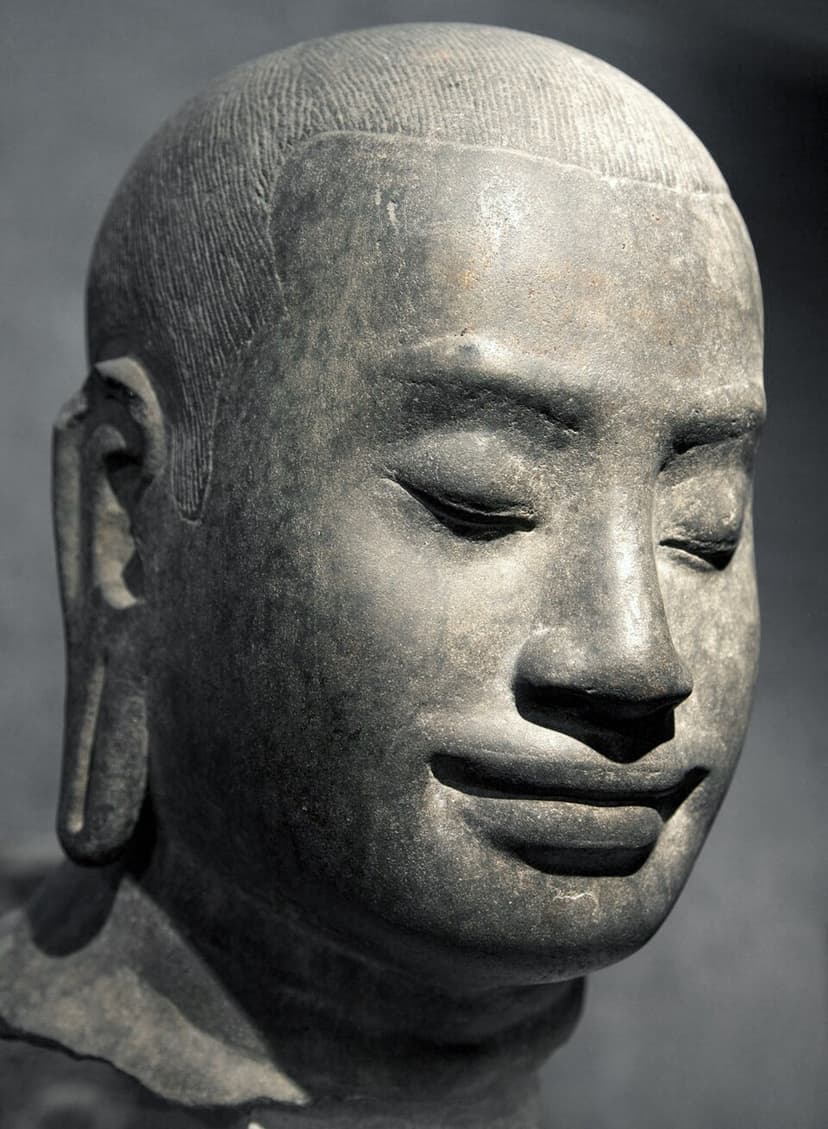
Jayavarman VII
Jayavarman VII was the most powerful monarch of the Khmer Empire, reigning from 1181 to around 1218. As the first Khmer king devoted to Mahayana Buddhism, he initiated a welfare state and commissioned extensive public works, including hospitals and temples, aimed at alleviating human suffering. His reign is marked by monumental construction projects, most notably the Bayon temple and the city of Angkor Thom, and significant military achievements, including the conquest of Champa.