
Jayavarman VII
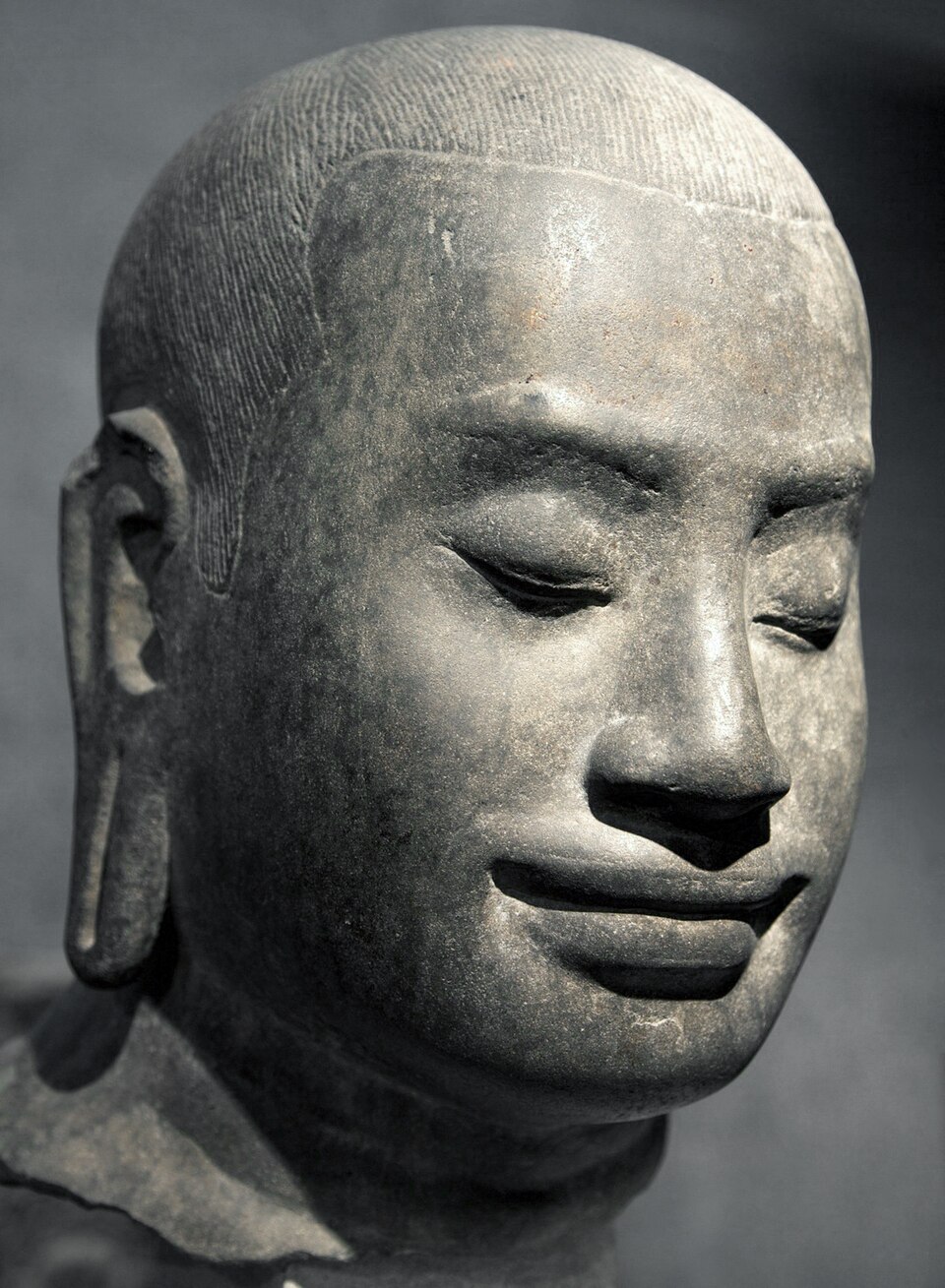
Jayavarman VII was the most powerful monarch of the Khmer Empire, reigning from 1181 to around 1218. As the first Khmer king devoted to Mahayana Buddhism, he initiated a welfare state and commissioned extensive public works, including hospitals and temples, aimed at alleviating human suffering. His reign is marked by monumental construction projects, most notably the Bayon temple and the city of Angkor Thom, and significant military achievements, including the conquest of Champa.
Key Facts
- ›Reigned as king of the Khmer Empire from 1181 to approximately 1218.
- ›Considered the most powerful Khmer monarch by historians.
- ›Introduced a welfare state motivated by Mahayana Buddhism, focused on physical and spiritual needs of the people.
- ›Commissioned the construction of 102 hospitals and numerous rest houses along highways.
- ›Built significant monuments including the Bayon temple and developed the city of Angkor Thom.
- ›Successfully repelled Cham invaders in 1177-1181 and subsequently conquered Champa.
Important Relationships
- Dharanindravarman II (father)
- Sri Jayarajacudamani (mother)
- Princess Jayarajadevi (wife)
- Indradevi (wife)
- Prince Sri Vidyanandana (military ally)
- Jaya Indravarman IV (adversary)
- Indravarman II (successor)
- Jayavarman VIII (successor)
Bayon, Ta Prohm, Preah Khan, Angkor Thom, Neak Pean, Hospitals, Rest Houses
Khmer Empire, Angkor Thom, Bayon, Ta Prohm, Preah Khan, Mekong Valley, Tonlé Sap, Siem Reap River
Mahayana Buddhism
Khmer
About Jayavarman VII
Jayavarman VII (1122–1218)
Jayavarman VII was a paramount ruler of the Khmer Empire, widely regarded as its most powerful monarch. His reign, from 1181 to around 1218, was characterized by extensive construction projects and the establishment of a welfare state, deeply influenced by his devotion to Mahayana Buddhism. He is celebrated for his efforts to alleviate the suffering of his people through public works and spiritual endeavors.
Life and Historical Context
Born in 1122, Jayavarman VII was the son of King Dharanindravarman II and Queen Sri Jayarajacudamani. He rose to prominence in his mid-50s by leading the Khmer forces to oust the invading Cham army in 1177. After restoring order and quelling internal disputes, he was crowned king in 1181. His reign saw significant military successes, including the repulsion of further Cham attacks and the conquest of Champa, which became a dependency of the Khmer Empire for thirty years.
Public Works and Monuments
As a devout Mahayana Buddhist, Jayavarman VII's primary motivation was to reduce the suffering of his subjects. This philosophy guided his ambitious building program, which spanned 37 years. He commissioned the construction of 102 hospitals and numerous rest houses along raised highways, providing essential services for travelers and the populace. His most iconic architectural contributions include the temple-mountain of the Bayon, a complex structure blending Buddhist and Hindu iconography, and the establishment of Angkor Thom as the empire's new central city. He also dedicated the temples of Ta Prohm and Preah Khan to his mother and father, respectively, and built the distinctive island temple of Neak Pean.
Legacy
Jayavarman VII's reign represents a unique period in Khmer history, marked by a strong emphasis on public welfare and Buddhist principles. His dedication to alleviating suffering, as expressed in inscriptions, highlights a ruler deeply concerned with the well-being of his people. Although his successor, Jayavarman VIII, a Shivaite, later defaced many of his Buddhist monuments, Jayavarman VII's legacy endures through his monumental constructions and his vision of a compassionate welfare state.
Source: Wikipedia ↗
Frequently Asked Questions
When did Jayavarman VII reign?
Jayavarman VII reigned as king of the Khmer Empire from 1181 until his death around 1218. His reign lasted for approximately 37 years.
What was Jayavarman VII's religious affiliation?
Jayavarman VII was a devout Mahayana Buddhist, making him the first Khmer king to be dedicated to Buddhism. His religious beliefs heavily influenced his policies and construction projects.
What significant public works did Jayavarman VII undertake?
Jayavarman VII initiated a vast program of public works, including 102 hospitals, rest houses along highways, and reservoirs. He also erected numerous temples and developed the city of Angkor Thom.
What are Jayavarman VII's most famous architectural achievements?
His most notable architectural achievements include the Bayon temple, a multifaceted temple with numerous towers, and the development of Angkor Thom as a new city center. He also dedicated Ta Prohm to his mother and Preah Khan to his father.
What military successes did Jayavarman VII achieve?
Jayavarman VII is credited with leading the Khmer army to oust Cham invaders in 1177-1181. He also successfully conquered Champa, making it a dependency of the Khmer Empire for three decades.
Who succeeded Jayavarman VII?
Jayavarman VII was succeeded by Indravarman II, who ruled until his death by 1243. Indravarman II was followed by Jayavarman VIII, who was a Shivaite and initiated the destruction of many of Jayavarman VII's Buddhist works.
Related Buddhists
Bayinnaung Kyawhtin Nawrahta
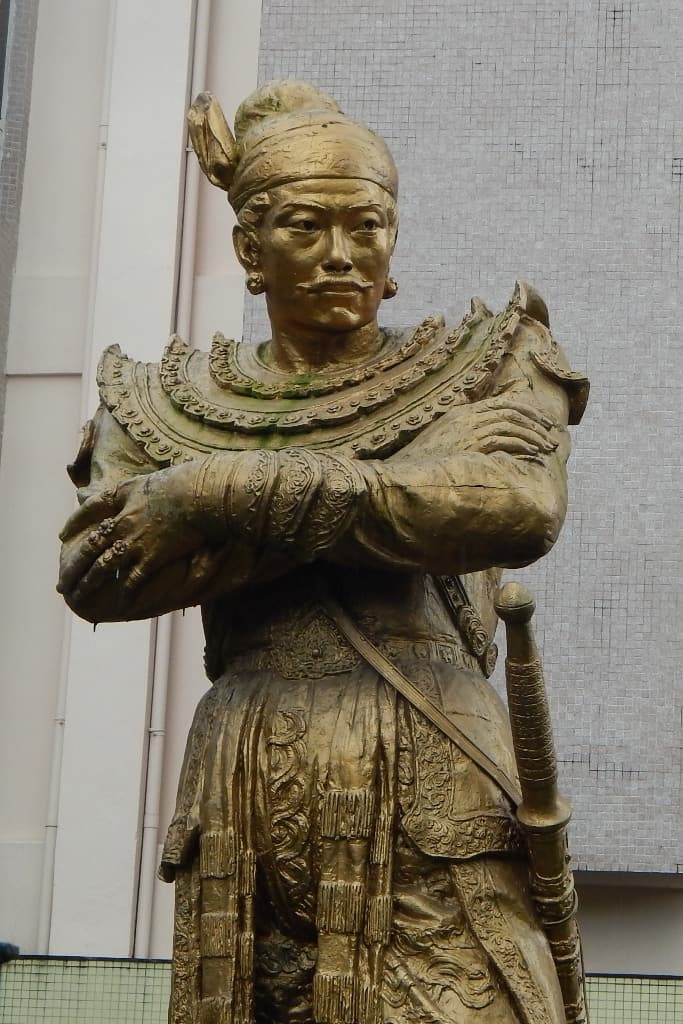
Bayinnaung Kyawhtin Nawrahta was the King of Burma from 1550 to 1581, during which he assembled the largest empire in Southeast Asian history. His reign is celebrated for its significant human energy and administrative reforms, particularly in integrating the Shan States into the Burmese administrative system. Though his empire eventually collapsed after his death, Bayinnaung is remembered as one of the three greatest Burmese monarchs and a significant figure in Thai historical consciousness.

Bimbisāra
Bimbisara was a significant king of the Haryanka dynasty in Magadha, reigning from the mid-6th to mid-5th centuries BCE. He is known for his territorial expansion, particularly the annexation of Anga, which laid groundwork for future empires, and for his patronage of Buddhism and Jainism. In Buddhist tradition, he was a devoted follower and friend of the Buddha, while Jain histories refer to him as Shrenika and associate him with Mahavira.
Bour Kry
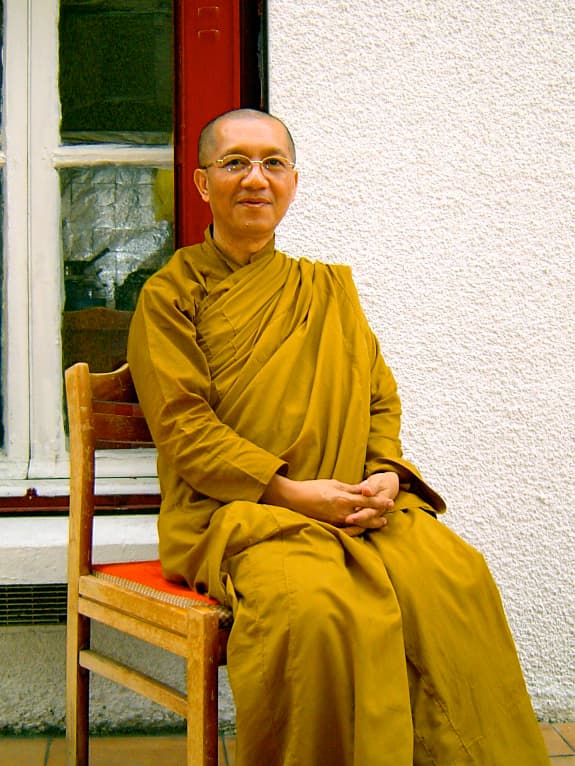
Samdech Preah Sangkhareach Bour Kry is the current Supreme Patriarch of the Thammayut order in Cambodia, born in 1945. He was ordained as a monk in 1963 and dedicated his early years to studying the Pali Canon. Following the Khmer Rouge regime, he fled to France, where he founded the Association Bouddhique Khmer and later established Vatt Khémararam in Créteil, Paris.