
Sobin Yamada
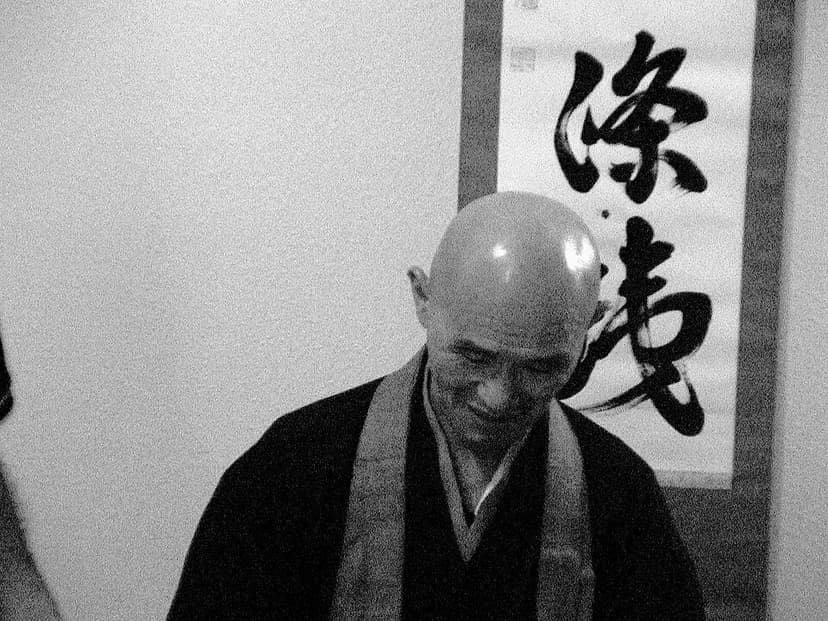
Sobin Yamada served as the 26th abbot of Shinju-an, a significant subtemple within the Rinzai Zen tradition at Daitoku-ji in Kyoto. He was a scholar, having studied at both Hanazono and Ryukoku Universities. A calligraphic work by Yamada is held by the Asian Art Museum in San Francisco.
Key Facts
- ›26th abbot of Shinju-an, a subtemple of Daitoku-ji.
- ›Shinju-an is the memorial temple for the influential Zen master Ikkyu.
- ›Studied at Rinzai university Hanazono and Ryukoku University.
- ›A calligraphic work by Yamada is part of the Asian Art Museum's collection in San Francisco.
- ›Born in 1920 and passed away in 2008.
Important Relationships
- Shinju-an
- Daitoku-ji
- Ikkyu
- Yoshiko Kakudo
- Dr. Jon Carter Covell
- Unraveling Zen's Red Thread: Ikkyu's Controversial Way
Shinju-An, Daitoku-Ji, Hanazono University, Ryukoku University
Ikkyu
Japanese
About Sobin Yamada
Sobin Yamada was a prominent figure in the Rinzai Zen Buddhist tradition, serving as the 26th abbot of Shinju-an, a significant subtemple within the Rinzai Zen temple complex of Daitoku-ji in Kyoto, Japan. Shinju-an holds particular historical importance as the memorial temple for the influential Zen master Ikkyu. Yamada dedicated his life to the study and practice of Zen Buddhism, contributing to its preservation and dissemination.
Education and Scholarship
Yamada pursued higher education in the field of Buddhist studies. He attended Hanazono University, a Rinzai institution, and Ryukoku University, both located in Kyoto. His academic background provided him with a deep understanding of Buddhist philosophy and history, which informed his role as abbot and his later scholarly contributions.
Artistic and Literary Contributions
Beyond his abbatial duties, Sobin Yamada was also recognized for his calligraphy. A notable calligraphic work by Yamada is preserved in the collection of the Asian Art Museum in San Francisco, having been commissioned for the museum by Yoshiko Kakudo. He also co-authored the book "Unraveling Zen's Red Thread: Ikkyu's Controversial Way" with Dr. Jon Carter Covell, further solidifying his connection to the legacy of Ikkyu and contributing to the understanding of Zen teachings for a wider audience.
Life and Legacy
Born in 1920, Sobin Yamada lived until 2008, a period that witnessed significant changes in Japan and the global dissemination of Buddhist thought. His tenure as abbot of Shinju-an and his scholarly work connected him to a lineage of Zen masters, particularly Ikkyu, whose teachings and unconventional approach have continued to inspire practitioners. Yamada's contributions through his academic pursuits, artistic expression, and leadership within the Rinzai tradition mark his significance in Buddhist history.
Source: Wikipedia ↗
Frequently Asked Questions
What was Sobin Yamada's role at Daitoku-ji?
Sobin Yamada was the 26th abbot of Shinju-an, which is a subtemple of the Rinzai Zen temple Daitoku-ji in Kyoto. This position holds significant importance within the Rinzai lineage.
What is Shinju-an known for?
Shinju-an is particularly notable as the memorial temple for Ikkyu, a highly revered and historically significant Zen master. As abbot, Yamada would have overseen its continued function as a place of remembrance and practice.
Where did Sobin Yamada study?
Sobin Yamada pursued his academic studies at two universities in Kyoto: Hanazono, which is a Rinzai university, and Ryukoku University. These institutions provided him with a strong grounding in Buddhist philosophy and practice.
Is there any of Sobin Yamada's work in a museum?
Yes, a calligraphic work created by Sobin Yamada is held in the collection of the Asian Art Museum in San Francisco. This piece was commissioned for the museum by Yoshiko Kakudo.
When was Sobin Yamada alive?
Sobin Yamada was born in the year 1920 and died in the year 2008. His life spanned much of the 20th century and into the early 21st century.
Related Buddhists
Shodo Harada
Shodo Harada, also known as Harada Roshi, is a prominent Rinzai Zen Buddhist priest, author, and calligrapher. He is the head abbot of Sōgen-ji temple in Okayama, Japan, and is recognized as a "teacher of teachers" whose influence extends globally through his teachings and the establishment of practice centers in the United States and Europe. Harada Roshi is known for his extensive writings and calligraphy, sharing Zen insights with a wide audience.
Oda Sessō
Oda Sessō was a prominent Rinzai Rōshi and the abbot of Daitoku-ji in Kyoto, Japan. As a Dharma successor to Gotō Zuigan, he is known for opening Daitoku-ji to international students, fostering a connection between Japanese Zen and the West. His subtle teaching style and perceptive nature were highly regarded by his students, including notable figures like Gary Snyder and Janwillem van de Wetering.

Keido Fukushima
Keidō Fukushima was a prominent Japanese Rinzai Zen master and head abbot of Tōfuku-ji in Kyoto. He significantly influenced the development of Rinzai Zen in the West by accepting Western students, including women, and conducting extensive teaching tours and retreats in the United States. Fukushima was also recognized for his authority in calligraphy and his efforts to support the reconstruction of historical monasteries in China.