
Oda Sessō
Oda Sessō was a prominent Rinzai Rōshi and the abbot of Daitoku-ji in Kyoto, Japan. As a Dharma successor to Gotō Zuigan, he is known for opening Daitoku-ji to international students, fostering a connection between Japanese Zen and the West. His subtle teaching style and perceptive nature were highly regarded by his students, including notable figures like Gary Snyder and Janwillem van de Wetering.
Key Facts
- ›Elected abbot of Daitoku-ji in 1955, succeeding Gotō Zuigan.
- ›Opened Daitoku-ji to foreign students at the request of his predecessor.
- ›Known for his exceptionally soft-spoken and subtle teaching style.
- ›Influential teacher to Western students such as Gary Snyder, Janwillem van de Wetering, Irmgard Schloegl, and Philip Yampolsky.
- ›Featured in Janwillem van de Wetering's book 'the Empty Mirror: Experiences in a Japanese Zen Monastery'.
Important Relationships
- Gotō Zuigan
Daitoku-Ji, Kyoto
Gotō Zuigan
About Oda Sessō
Oda Sessō (1901 – 1966)
Oda Sessō was a distinguished Rinzai Rōshi and served as the abbot of Daitoku-ji, a prominent Zen Buddhist temple located in Kyoto, Japan. He succeeded Gotō Zuigan, his Dharma predecessor, as abbot in 1955.
Life and Ministry
Upon assuming the leadership of Daitoku-ji, Oda Sessō fulfilled a request from Gotō Zuigan to open the monastery's doors to foreign students. This initiative fostered a significant exchange between Japanese Zen traditions and practitioners from the West. His tenure as abbot marked a period of increased international engagement for the temple.
Teaching and Legacy
Oda Sessō was highly regarded for his subtle and perceptive approach to teaching Zen. His lectures, or teishō, were noted for their quiet delivery, yet their profound impact resonated deeply with his students. Gary Snyder, one of his Western students, described Oda Sessō as "the subtlest and most perceptive man I've ever met." The influence of his teachings is evident through the accounts of students like Janwillem van de Wetering, whose book "The Empty Mirror: Experiences in a Japanese Zen Monastery" chronicled his time at Daitoku-ji under Oda Sessō's guidance. Other notable students included Irmgard Schloegl and Philip Yampolsky, who carried his teachings to wider audiences.
Source: Wikipedia ↗
Frequently Asked Questions
Who was Oda Sessō?
Oda Sessō was a Rinzai Rōshi (Zen master) and served as the abbot of the significant Daitoku-ji temple in Kyoto, Japan. He was a successor in the Dharma line of Gotō Zuigan.
What is Oda Sessō best known for?
Oda Sessō is primarily known for opening the Daitoku-ji monastery to foreign students, which helped to bridge Japanese Zen Buddhism with Western practitioners. He is also remembered for his profound, albeit quiet, teaching style.
Who were some of Oda Sessō's notable students?
Several well-known Westerners studied under Oda Sessō, including the poet Gary Snyder, author Janwillem van de Wetering, Irmgard Schloegl, and Philip Yampolsky. Their experiences and writings have introduced many to his teachings.
How was Oda Sessō's teaching style described?
His teaching style was characterized by its subtlety and perceptiveness. Gary Snyder described his teishō (sermons) as inaudible due to his soft voice, yet their profound impact was recognized by students years later.
What role did Oda Sessō play in the history of Daitoku-ji?
Oda Sessō was elected abbot of Daitoku-ji in 1955, a position he held until his death. A key initiative during his tenure was making the monastery accessible to international students.
Related Buddhists
Soen Nakagawa
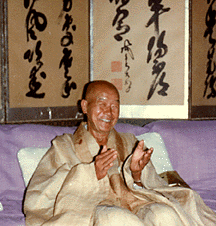
Soen Nakagawa was a Taiwanese-born Japanese Rinzai Zen Buddhist master known for his significant impact on 20th-century Zen practice in Japan and abroad. An unconventional and enigmatic figure, he was also a gifted poet whose life journey included extensive Zen training, founding Zen centers, and influencing many students.
Shodo Harada
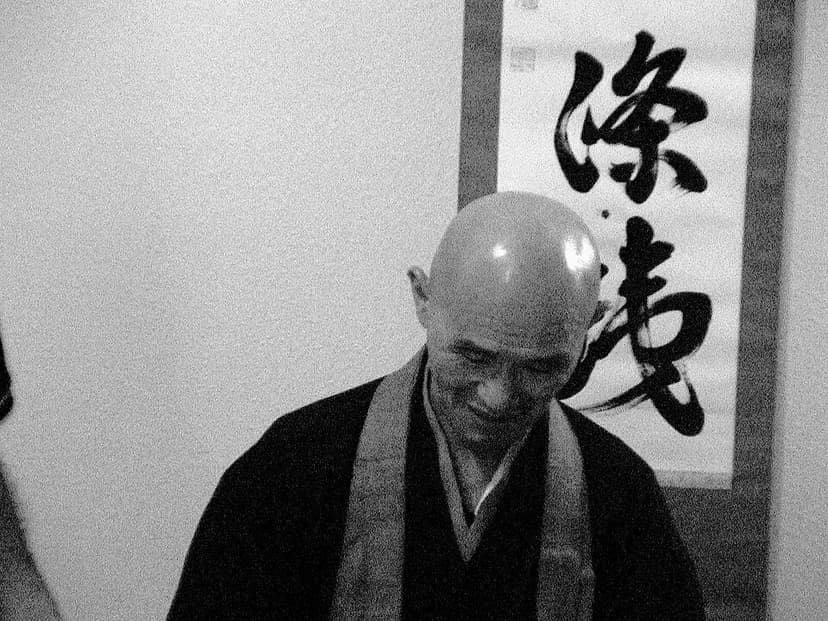
Shodo Harada, also known as Harada Roshi, is a prominent Rinzai Zen Buddhist priest, author, and calligrapher. He is the head abbot of Sōgen-ji temple in Okayama, Japan, and is recognized as a "teacher of teachers" whose influence extends globally through his teachings and the establishment of practice centers in the United States and Europe. Harada Roshi is known for his extensive writings and calligraphy, sharing Zen insights with a wide audience.

Keido Fukushima
Keidō Fukushima was a prominent Japanese Rinzai Zen master and head abbot of Tōfuku-ji in Kyoto. He significantly influenced the development of Rinzai Zen in the West by accepting Western students, including women, and conducting extensive teaching tours and retreats in the United States. Fukushima was also recognized for his authority in calligraphy and his efforts to support the reconstruction of historical monasteries in China.