
Seungsahn
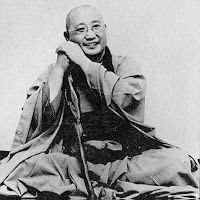
Seungsahn Haengwon was a Korean Seon master and the seventy-eighth Patriarch in his lineage, born Duk-In Lee. He is widely recognized as the founder of the international Kwan Um School of Zen and was one of the first Korean Zen masters to establish a significant presence in the United States. Known for his charismatic teaching style, direct approach, and use of phrases like "only don't know," Seungsahn adapted Zen Buddhism for Western audiences, opening many temples and practice groups globally.
Key Facts
- ›Born Duk-In Lee in 1927 in occupied Korea, he later adopted the dharma name Seungsahn Haengwon.
- ›He was the founder of the international Kwan Um School of Zen, established in 1983.
- ›Seungsahn was one of the first Korean Zen masters to settle and teach extensively in the United States.
- ›He is known for his charismatic teaching style, direct methods, and phrases like 'only don't know'.
- ›He received the honorific title Dae Jong Sa, "Great Lineage Master," in 2004 from the Jogye Order.
- ›He died in Seoul, South Korea, in 2004 at the age of 77.
Important Relationships
- Kobong (teacher)
- Keumbong (master)
- Keum'oh (master)
- Jacob Perl (Wubong) (student)
- Dae Gak (student and Dharma heir)
- Mikhail Gorbachev (invitation to teach in Soviet Union)
- Wanting Enlightenment Is A Big Mistake: Teachings of Zen Master Seung Sahn
- Zen: the Perfect Companion
- the Compass of Zen
- the Whole World Is A Single Flower
- Ten Gates: the Kong-An Teaching of Zen Master Seung Sahn
- Only Doing It For Sixty Years
- Zen Dialogue In China
- Chanting With English Translations and Temple Rules
- Bone of Space: Poems
- Only Don'T Know: Selected Teaching Letters of Zen Master Seung
- Dropping Ashes On the Buddha
Sunchon, South Pyongan Province, Korea, Seoul, South Korea, Hong Kong, Japan, Providence, Rhode Island, Los Angeles, New York City, Cumberland, Rhode Island, Clay City, Kentucky, Soviet Union, Israel, Tel Aviv
Korean, English
PrāTimokṣA Precepts
About Seungsahn
Seungsahn Haengwon (1927–2004)
Seungsahn Haengwon, born Duk-In Lee, was a highly influential Korean Seon (Zen) master and the seventy-eighth Patriarch in his lineage. He is most renowned for founding the international Kwan Um School of Zen, which played a significant role in introducing Zen Buddhism to Western countries. Seungsahn was one of the earliest Korean Zen masters to establish a lasting presence in the United States, where he opened numerous temples and practice centers.
Life and Teachings
Born in 1927 in occupied Korea to Presbyterian parents, Seungsahn's early life included involvement in an underground resistance movement against Japanese occupation, leading to his imprisonment. After his release, he studied Western philosophy before a chance encounter with the Diamond Sutra inspired him to ordain as a monk in 1948. He undertook a rigorous solitary retreat, during which it is believed he attained enlightenment. He later received dharma transmission from masters Kobong, Keumbong, and Keum'oh.
Seungsahn served in the Republic of Korea Army as a chaplain and later became abbot of Hwagaesa in Seoul. He also founded Buddhist temples in Hong Kong and Japan. Arriving in the United States in 1972, he settled in Providence, Rhode Island, and began teaching, eventually establishing the Kwan Um School of Zen in 1983. His teaching style was characterized by charisma, directness, and the use of simple, impactful phrases such as "only don't know" and "only go straight." He also developed a unique kōan study program known as the "Twelve Gates."
Later Life and Legacy
Seungsahn faced health challenges in his later years, including cardiac issues and diabetes. In recognition of his extensive contributions to the spread of Zen Buddhism, he was awarded the highest honor of the Jogye Order, the title Dae Jong Sa ("Great Lineage Master"), in June 2004. He passed away later that year in Seoul, South Korea. Despite controversies regarding his admitted sexual relationships with students, the Kwan Um School of Zen has since implemented ethics policies. Seungsahn's enduring legacy lies in the global network of Zen centers he established and his innovative approach to making Buddhist teachings accessible to a diverse, international audience.
Source: Wikipedia ↗
Frequently Asked Questions
Who was Seungsahn?
Seungsahn, born Duk-In Lee and also known as Seungsahn Haengwon, was a prominent Korean Seon (Zen) master. He is best known as the founder of the Kwan Um School of Zen, an international organization that brought Zen teachings to many countries, particularly in the West.
What is the Kwan Um School of Zen?
The Kwan Um School of Zen is an international organization founded by Seungsahn in 1983. It aims to make the teachings of Zen Buddhism accessible globally, adapting traditional practices and emphasizing a direct, experiential approach to practice.
What was Seungsahn's teaching style like?
Seungsahn was known for his charismatic and direct teaching style, often using simple phrases like 'only don't know' or 'only go straight' to convey profound insights. He adapted Zen for Western audiences, utilizing correspondence with students and direct engagement.
When and where did Seungsahn die?
Seungsahn died on November 30, 2004, at the age of 77 in Seoul, South Korea. He passed away at Hwagaesa, the same temple where he had previously served as abbot.
What significant honor did Seungsahn receive?
In June 2004, shortly before his death, Seungsahn was conferred the honorific title Dae Jong Sa, meaning 'Great Lineage Master,' by the Jogye Order of Korean Buddhism. This is considered the highest honor within the order and was given for his lifetime achievements in spreading Zen.
Related Buddhists
Han Yong-un
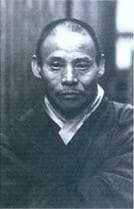
Han Yong-un, also known by his art name Manhae, was a prominent 20th-century Korean Buddhist reformer, poet, and independence activist. He advocated for the modernization of Korean Buddhism and played a significant role in the Korean independence movement against Japanese colonial rule. His poetry often intertwined themes of nationalism and love, becoming a powerful voice for Korean identity and resistance.
Seongcheol
Seongcheol was a prominent Korean Seon master and a pivotal figure in modern Korean Buddhism, instrumental in its reformation from the 1950s to the 1990s. Revered as a living Buddha for his asceticism, rigorous meditation, and impactful teachings, he championed a return to strict monastic discipline and the traditional practice of sudden enlightenment and sudden cultivation.
Jinul
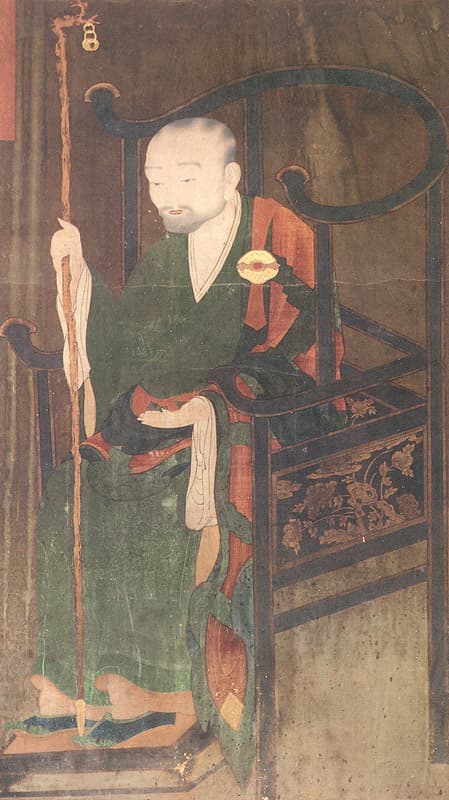
Jinul (1158–1210), often called Chinul, was a Korean monk of the Goryeo period and the most influential figure in forming Korean Seon (Zen) Buddhism. He is recognized as the founder of the Jogye Order, having unified disparate Buddhist sects into a cohesive organization through his teachings on meditation and doctrine. Jinul's work emphasized the inherent Buddha-nature within all beings and the importance of self-reliance in spiritual practice.