
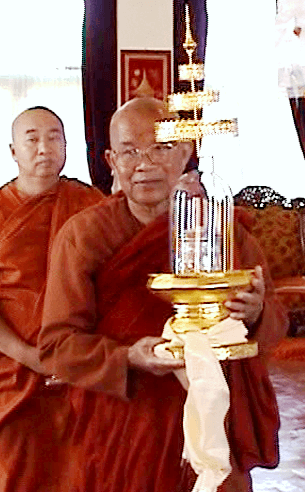
Sayadaw U Rewata Dhamma
Sayadaw U Rewata Dhamma was a distinguished Theravada Buddhist monk and Abhidhamma scholar from Myanmar. After a significant academic tenure in India, he relocated to the UK, where he became an internationally recognized teacher of meditation and a vocal advocate for peace and reconciliation. His work extended to establishing Buddhist centers across Europe and the Americas, and he was a key mentor to Aung San Suu Kyi.
Key Facts
- ›Born in Thamangone, Myanmar, on December 4, 1929.
- ›Ordained as a novice at 12 and received higher ordination at 20.
- ›Earned a PhD from Varanasi University in India in 1967.
- ›Relocated to Birmingham, UK, in 1975 to establish a Buddhist center.
- ›Mentored Aung San Suu Kyi and championed national reconciliation.
- ›Received the title Agga Maha Pandita from the Burmese government in 2002.
Important Relationships
- Aung San Suu Kyi
- Khin Kyi
- Suu Kyi
the First Sermon of the Buddha, Maha Paritta: the Great Protection, A Comprehensive Manual of Abhidhamma, the Buddha and His Disciples, Emptying the Rose-Apple Seat, the Buddha’S Prescription, Process of Consciousness and Matter
Thamangone, Myanmar, Varanasi University, India, Birmingham, Uk, Dhamma Talaka Pagoda, Birmingham, Oakenholt Centre, Near Oxford
Pali, Hindi, English
Novice Ordination, Higher Ordination
Prominent, Active
About Sayadaw U Rewata Dhamma
Sayadaw U Rewata Dhamma (Pali: Revatadhamma; December 4, 1929 – May 26, 2004) was a highly respected Theravada Buddhist monk and a distinguished scholar of Abhidhamma, hailing from Myanmar (formerly Burma).
Life and Career
Born Rewata, he was ordained as a novice monk at the age of 12 and received his full ordination at 20. He demonstrated exceptional academic prowess, earning the title Sasanadhaja Siripavara Dhammacariya after excelling in a state examination in Pali. In 1956, he was awarded a state scholarship to pursue higher education in India, where he adopted the name Rewata Dhamma for his passport. He went on to obtain a BA in Mahayana Buddhism in 1960, an MA in Sanskrit and Indian philosophy in 1964, and a PhD in 1967 from Varanasi University.
Following his academic achievements, he worked as a university lecturer and published significant works in Pali and Hindi, including the Abhidhammatta Sangaha, which received the Kalidasa Prize. In 1975, he moved to England and established a Buddhist center in Birmingham. Over the subsequent three decades, he cultivated an international reputation as a meditation teacher and a proponent of peace and reconciliation. He also played a crucial role in establishing meditation centers throughout Europe and the Americas. His advocacy extended to lecturing at universities on Buddhist philosophy and attending conferences focused on applying religious practice to social and political justice, interfaith harmony, and ecological awareness.
Notable Contributions and Relationships
Sayadaw U Rewata Dhamma was a steadfast champion for national reconciliation, addressing international forums such as the United Nations and Amnesty International. He was a significant Buddhist mentor to Aung San Suu Kyi, having first met her and her family while they resided in India during the 1960s. He later reconnected with them while conducting meditation retreats in the UK.
His later years saw the publication of several books in English, with some appearing posthumously. In recognition of his scholarly and spiritual contributions, the Burmese government conferred upon him the title Agga Maha Pandita in 2002.
Bibliography
Sayadaw U Rewata Dhamma authored and edited numerous works, including:
- The First Sermon of the Buddha (1994)
- Maha Paritta: The Great Protection (1996)
- A Comprehensive Manual of Abhidhamma (2000)
- The Buddha and his Disciples (2001)
- Emptying the Rose-apple Seat (2004)
- The Buddha’s Prescription (2005)
- Process of Consciousness and Matter (2007)
Source: Wikipedia ↗
Frequently Asked Questions
What was Sayadaw U Rewata Dhamma's primary field of study?
Sayadaw U Rewata Dhamma was a noted Abhidhamma scholar. He pursued higher education in Mahayana Buddhism, Sanskrit, and Indian philosophy, earning a PhD.
Where did Sayadaw U Rewata Dhamma spend most of his academic career?
He spent nearly two decades pursuing his academic career in India, studying at Varanasi University and lecturing at universities there.
When and why did Sayadaw U Rewata Dhamma move to the UK?
In 1975, he relocated to England to establish a Buddhist center in Birmingham. This center catered to both Theravada Buddhists and followers of the Tibetan Karma Kagyu school.
What international roles did Sayadaw U Rewata Dhamma play?
He gained an international reputation as a teacher of meditation and an advocate for peace and reconciliation, speaking to bodies like the United Nations and Amnesty International.
Who was Sayadaw U Rewata Dhamma's most influential student?
He was one of Aung San Suu Kyi's most influential Buddhist mentors, meeting her and her family in the 1960s and reacquainting later in the UK.
Related Buddhists
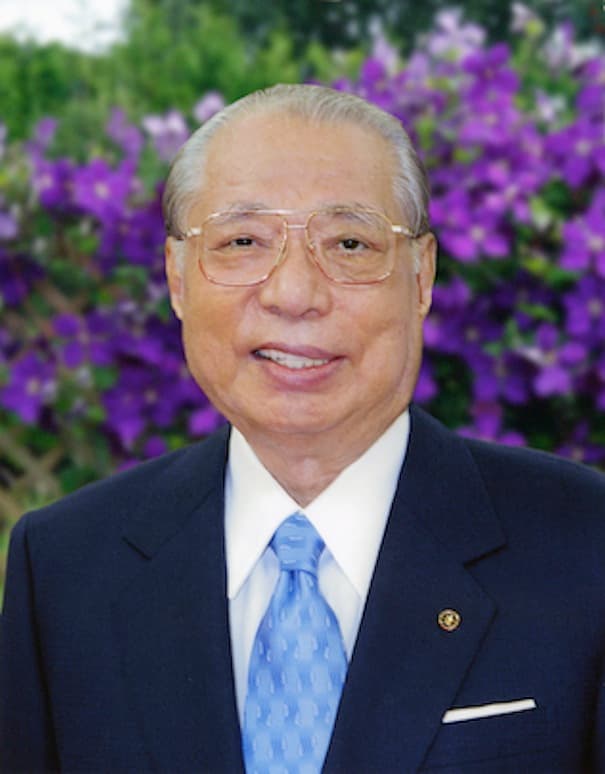
Daisaku Ikeda
Daisaku Ikeda was a prominent Japanese Buddhist leader, author, educator, and advocate for nuclear disarmament. He served as the third president and then honorary president of the Soka Gakkai, a significant new religious movement in Japan, and was the founding president of the Soka Gakkai International. Ikeda is recognized for his extensive efforts in promoting peace, culture, and education through dialogue and the establishment of various institutions.
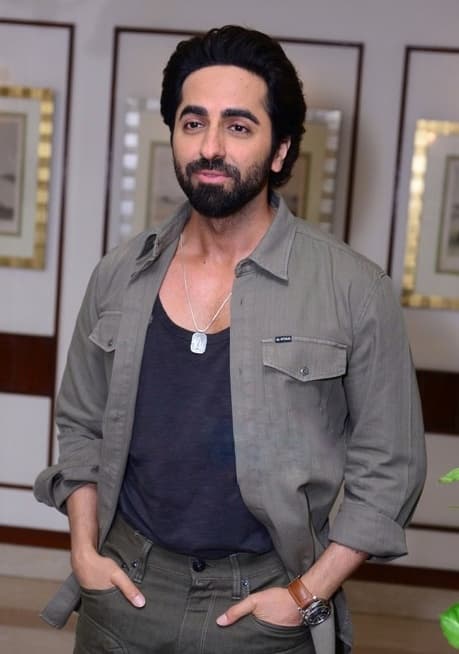
Ayushman Khurrana
Ayushmann Khurrana is an Indian actor and singer celebrated for portraying ordinary men challenging societal norms in Hindi films. He has received numerous accolades, including a National Film Award and multiple Filmfare Awards, and was recognized by Time as one of the most influential people globally. Khurrana is also a dedicated advocate, serving as a national UNICEF Goodwill Ambassador for India.

Ānanda
Ānanda was a principal attendant and one of the ten principal disciples of the Buddha, renowned for his exceptional memory. He is credited with recalling and reciting the Buddha's teachings, forming the basis of the Sutta-Piṭaka, and is thus known as the Treasurer of the Dhamma. Ānanda also played a significant role in the establishment of the order of bhikkhunīs (female monastics).