
Nikkō
Nikkō Shōnin was a prominent senior disciple of Nichiren, serving as the former Chief Priest of Kuon-ji temple. He is highly regarded for his meticulous record-keeping and his staunch adherence to the doctrine that Nichiren was the True Buddha. Nikkō is considered by schools like Nichiren Shōshū and Soka Gakkai as the legitimate successor to Nichiren's teachings and legacy.
Key Facts
- ›He was one of Nichiren's six senior disciples.
- ›Nikkō established the Head Temple Taisekiji in 1290.
- ›He is credited with preserving many of Nichiren's writings.
- ›Nikkō is considered by some Nichiren sects as the legitimate successor to Nichiren.
- ›He founded a seminary and temple, Kitayama Honmon-ji, in Omosu.
- ›Nikkō designated Nichimoku Shonin as his successor before his death.
Important Relationships
- Nichiren
- Nichimoku Shonin
- Hagiri Sanenaga
- Mimbu Nikō
- Nanjo Shichijo-jiro Tokimitsu
- the Record of the Orally Transmitted Teachings
- Compilations of Ongi Kuden
Mount Minobu, Taisekiji, Fujinomiya, Omosu, Suruga Province, Kai Province
Nichiren
Japanese, Classical Chinese
Disciple Vows To Nichiren
Senior Disciple
About Nikkō
Nikkō Shōnin
Nikkō Shōnin (1246–1333), born Hawaki-bō Byakuren Ajari Nikkō, was a highly influential senior disciple of the Buddhist monk Nichiren. He served as the former Chief Priest of Kuon-ji temple in Mount Minobu, Japan, and played a crucial role in preserving Nichiren's teachings and writings.
Life and Historical Context
Born in Kai Province, Nikkō entered religious life at a young age, studying at the Tendai temple Shijuku-in. He encountered Nichiren in 1257 and vowed to become his disciple, later accompanying him on exiles and diligently recording his teachings. After Nichiren's death in 1282, Nikkō became one of the six senior priests tasked with carrying on his legacy. He took responsibility for Kuon-ji temple, meticulously tending to Nichiren's tomb and collecting his writings, which he compiled as the Gosho.
Contributions and Teachings
Nikkō Shōnin is particularly noted for his staunch adherence to the doctrine that Nichiren was the True and Eternal Buddha in the Third Age of Buddhism. This unwavering belief led him to establish the Head Temple Taisekiji in Fujinomiya in 1290, where he enshrined the Dai Gohonzon image. He is considered by prominent Nichiren sects, such as Nichiren Shōshū and Soka Gakkai, as the legitimate successor to Nichiren's ministry and spiritual legacy. His meticulous record-keeping is responsible for much of the historical documentation that survives today.
Departure from Mount Minobu and Later Life
Disagreements and perceived deviations from Nichiren's teachings among the other senior disciples led Nikkō to leave Mount Minobu in 1289. He and a group of disciples were offered sanctuary by Nanjo Shichijo-jiro Tokimitsu, leading to the founding of Taiseki-ji Temple. For the remaining 36 years of his life, Nikkō retired to Omosu, Suruga Province, where he established a seminary and temple, Kitayama Honmon-ji, focusing on training disciples. He designated Nichimoku Shonin as his successor shortly before his death in 1333. A grave believed to house his remains is located at Kitayama Honmonji.
Source: Wikipedia ↗
Frequently Asked Questions
Who was Nikkō Shōnin?
Nikkō Shōnin was a key disciple of Nichiren and the former Chief Priest of Kuon-ji temple. He is recognized by several Nichiren Buddhist sects as the legitimate successor to Nichiren's teachings.
What is Nikkō Shōnin known for?
Nikkō Shōnin is known for his meticulous record-keeping, his role in preserving Nichiren's writings, and his establishment of the Head Temple Taisekiji. He is also central to the doctrinal claims of succession for schools like Nichiren Shōshū.
When did Nikkō Shōnin live?
Nikkō Shōnin lived from March 8, 1246, to February 7, 1333. He was a significant figure during the Kamakura period in Japan.
What significant temples are associated with Nikkō Shōnin?
Nikkō Shōnin was the Chief Priest of Kuon-ji temple on Mount Minobu. He later established the Head Temple Taisekiji in Fujinomiya and founded Kitayama Honmon-ji in Omosu.
What is the significance of Nikkō Shōnin's claim to succession?
Followers of Nichiren Shōshū and Soka Gakkai view Nikkō Shōnin as the rightful successor to Nichiren, based on documents that purportedly entrust his teachings to Nikkō. Other Nichiren lineages dispute this claim.
Related Buddhists
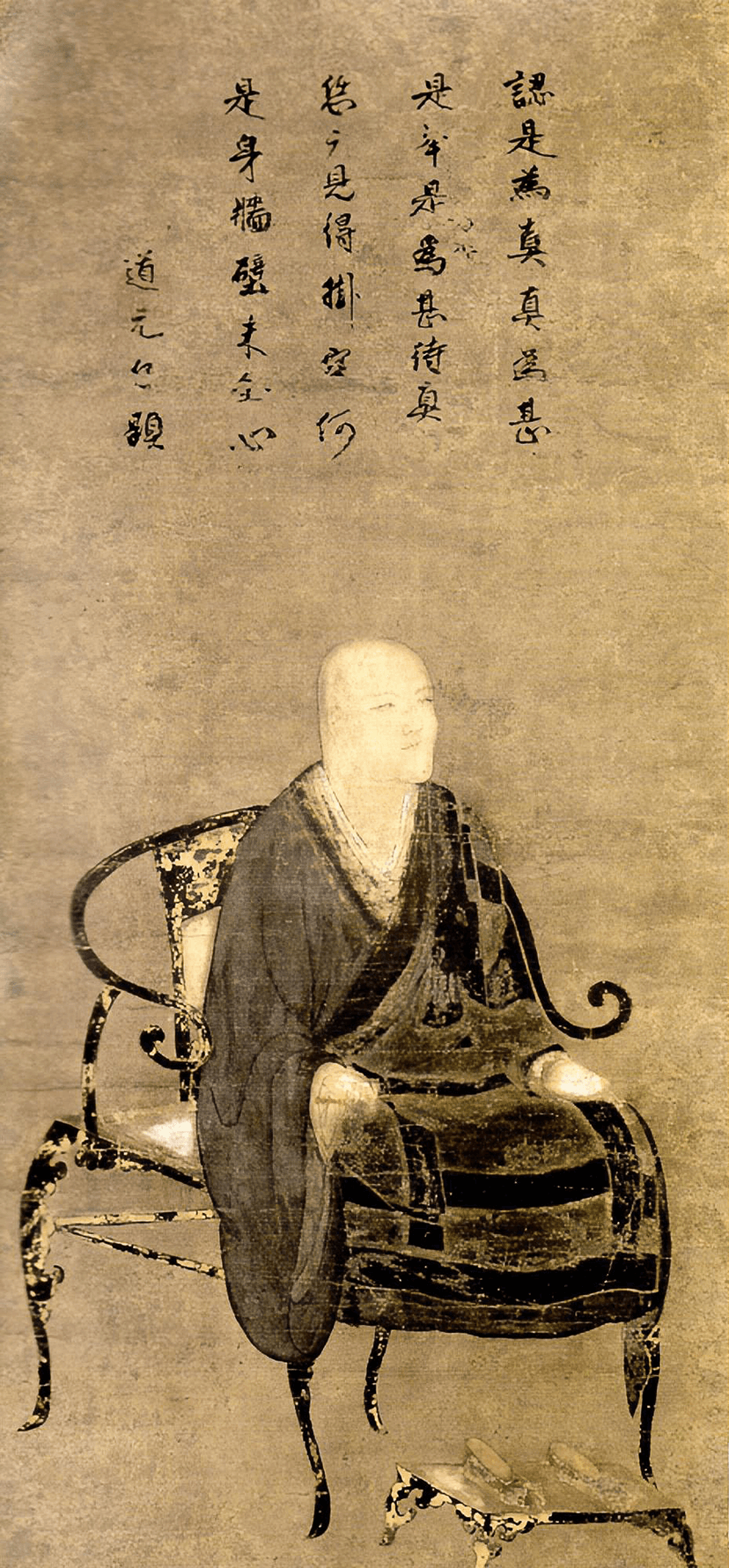
Dōgen
Dōgen was a pivotal Japanese Zen Buddhist monk, philosopher, and poet who founded the Sōtō school of Zen in Japan. Dissatisfied with existing Buddhist teachings, he traveled to China and studied under Tiāntóng Rújìng, an eminent master of the Cáodòng lineage. Upon his return, Dōgen introduced and emphasized the practice of zazen (sitting meditation) through his extensive writings, most notably the Shōbōgenzō, which remain central to contemporary Sōtō Zen.
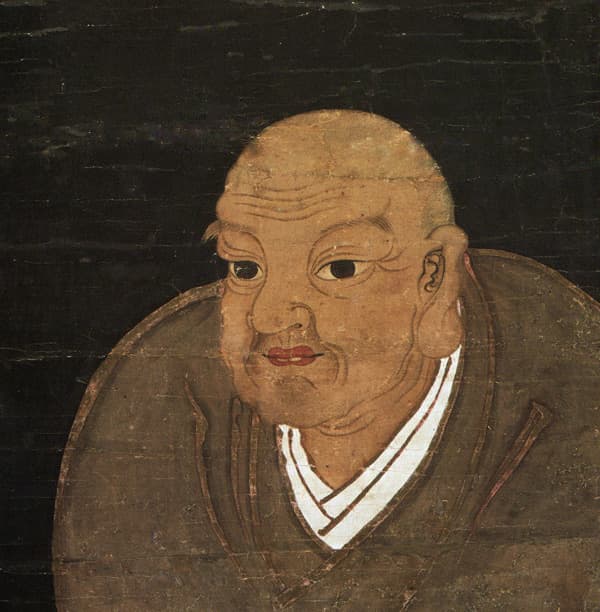
Nichiren
Nichiren was a Japanese Buddhist monk and philosopher of the Kamakura period, known as the founder of Nichiren Buddhism, a branch of Mahayana Buddhism centered on the Lotus Sutra. He proclaimed the Lotus Sutra as the ultimate truth and advocated reciting its title, Nam Myoho Renge Kyo, as the sole path to Buddhahood in this lifetime. His teachings, emphasizing the Lotus Sutra's supremacy and the necessity of its propagation, led to significant persecution but ultimately formed one of Japan's largest Buddhist traditions.
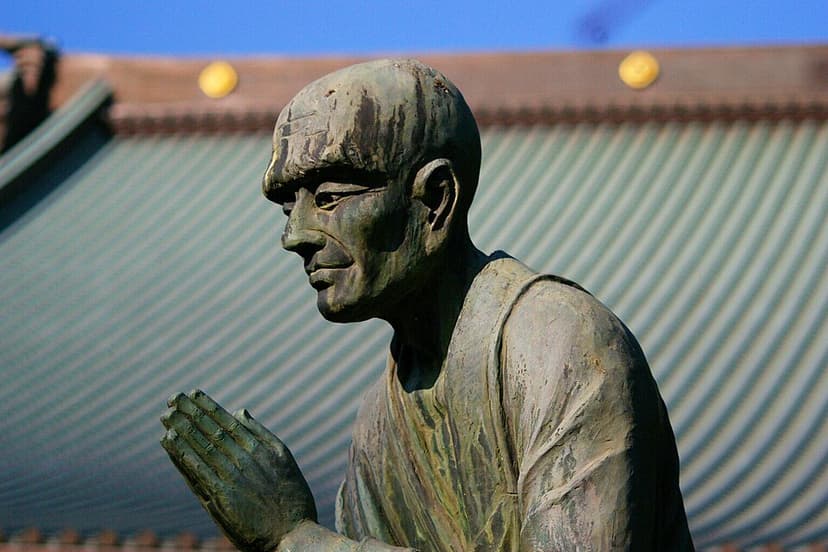
Ippen
Ippen Shōnin was a highly influential Japanese Buddhist itinerant preacher (hijiri) of the 13th century, known for founding the Ji-shū ("Time sect") movement. His teachings emphasized salvation through the single-minded invocation of Amida Buddha's Name, believing that each recitation instantly united the practitioner with the Buddha's timeless enlightenment. Ippen's radical vision and ecstatic practices, including the "dancing nembutsu," attracted a broad following across all social classes and significantly shaped medieval Japanese Pure Land Buddhism.