
Ippen
Japan·Ji-shū (Time sect)·Male·13th century
Ippen Shōnin was a highly influential Japanese Buddhist itinerant preacher (hijiri) of the 13th century, known for founding the Ji-shū ("Time sect") movement. His teachings emphasized salvation through the single-minded invocation of Amida Buddha's Name, believing that each recitation instantly united the practitioner with the Buddha's timeless enlightenment. Ippen's radical vision and ecstatic practices, including the "dancing nembutsu," attracted a broad following across all social classes and significantly shaped medieval Japanese Pure Land Buddhism.
Key Facts
- ›Founded the Ji-shū ("Time sect") movement, a major current of medieval Japanese Pure Land Buddhism.
- ›Taught that salvation was achieved through the single-minded recitation of Amida Buddha's Name (nembutsu).
- ›Practiced and popularized ecstatic "dancing nembutsu" and distributed ofuda (talismans) inscribed with Amida's name.
- ›Traveled extensively throughout Japan, ministering to people of all social classes.
- ›His teachings blended Pure Land ideals with Zen non-dualism and folk religious practices.
- ›The main historical source for his life is the emakimono series, Ippen Hijiri-e.
Important Relationships
- Taa Amidabutsu (disciple)
- Shōkai (half-brother and disciple)
- Sen'a (disciple)
- Kōno clan (family)
- Shōtatsu (teacher)
- Kedai (teacher)
Teaching On the "Non-Duality of Ten and One", Seigan Gemon, No Abode: the Record of Ippen
Kumano, Zenkō-Ji, Taima-Dera, Mount KōYa, Iyo Province, Dazaifu, Hizen, Kamakura, HyōGo
ShōKū, Shandao, KūYa, Kakushin, DōHan, DōGen, Kukai
Japanese
Renunciation
Founder, Itinerant Preacher, Hijiri
About Ippen
Ippen Shōnin (1234/9–1289)
Ippen Shōnin was a pivotal figure in medieval Japanese Buddhism, celebrated as an itinerant preacher (hijiri) and the founder of the Ji-shū ("Time sect"). His teachings centered on the belief that salvation could be attained through the single-minded recitation of Amida Buddha's Name (nembutsu), asserting that each invocation immediately unified the practitioner with the Buddha's timeless enlightenment. This radical message, coupled with his ecstatic "dancing nembutsu" practice and the distribution of ofuda (talismans), resonated deeply with people from all walks of life, fostering a popular religious movement.
Life and Historical Context
Born into the Kōno clan in Iyo Province (modern Ehime Prefecture), Ippen initially studied under teachers associated with the Seizan branch of Jōdo-shū and later encountered various Shingon and Tendai practitioners. After a period of secular life, he renounced worldly ties for a second time, embarking on a life of ascetic wandering. A transformative experience at the Kumano shrines solidified his resolve to spread the Pure Land faith across Japan. He traveled extensively, ministering to commoners and incorporating devotional practices that blended Pure Land ideals with Zen non-dualism and folk traditions. His life and teachings are primarily documented in the emakimono series known as the Ippen Hijiri-e.
Major Contributions
Ippen's most significant contribution was the establishment of the Ji-shū movement, which became a major force in Pure Land Buddhism. He emphasized the "other power" of Amida Buddha, teaching that all beings are already assured of rebirth in the Pure Land through Amida's original vow. His practice of distributing nembutsu ofuda served as a tangible symbol of faith and rebirth, making his teachings accessible and appealing. Ippen's insistence on itinerancy and his inclusive approach, which embraced local deities as manifestations of Amida's power, allowed his movement to flourish and attract a diverse following, including many from the lower social strata.
Important Relationships
Ippen was influenced by earlier Buddhist figures such as Shōkū, Shandao, and Kūya. His key disciples included Taa Amidabutsu, who played a crucial role in organizing the Ji-shū into a formal sect after Ippen's death, and Shōkai, who authored the Ippen hijiri-e. His teachers included Shōtatsu and Kedai, who guided his early Pure Land studies.
Legacy
Though Ippen himself left no scholastic system, his teachings and the Ji-shū movement continued to thrive for centuries, profoundly impacting Japanese religious life. The movement's emphasis on ecstatic devotion and inclusive practice made it a significant popular religious force. Posthumously, he received honorific titles such as "Grand Master Enshō" and "Grand Master Shōjō," recognizing his spiritual status and lasting influence.
Source: Wikipedia ↗
Frequently Asked Questions
Who was Ippen Shōnin?
Ippen Shōnin (1234/9–1289) was a Japanese Buddhist itinerant preacher and the founder of the Ji-shū ("Time sect") movement. He is renowned for his energetic preaching and the popularization of the nembutsu, the recitation of Amida Buddha's name, as the sole path to salvation.
What were Ippen's main teachings?
Ippen taught that salvation lay in the single-minded invocation of Amida's Name, asserting that each recitation instantly connected the speaker with the Buddha's enlightenment. He emphasized faith in Amida's "other power" and rejected self-effort or sectarian distinctions, believing that even a single nembutsu guaranteed rebirth in the Pure Land.
What is the Ji-shū movement?
The Ji-shū, or "Time sect," was a major current of medieval Japanese Pure Land Buddhism founded by Ippen. It was characterized by its itinerant preachers (hijiri), devotional practices like the "dancing nembutsu," and the distribution of talismans, attracting a wide following.
What was the significance of the "dancing nembutsu"?
The "dancing nembutsu" was an ecstatic practice popularized by Ippen, seen as a spontaneous expression of joyful faith in Amida's Name. This practice became highly popular throughout Japan and was adopted by many groups, contributing to the widespread appeal of Ippen's movement.
Where did Ippen travel?
Ippen traveled extensively throughout Japan, covering over fifteen hundred miles and visiting major population and devotional centers. His pilgrimages included sites like Kumano, Zenkō-ji, Taima-dera, and Mount Kōya.
What is the Ippen Hijiri-e?
The Ippen Hijiri-e is a series of narrative painted scrolls (emakimono) that serve as the primary historical source for Ippen's life and activities. It depicts his journeys, teachings, and the religious experiences that shaped his movement.
Related Buddhists
Gangodawila Soma Thero
Gangodawila Soma Thero was a prominent Theravada bhikkhu from Sri Lanka, known for his influential role in the revival of Sinhala Buddhism in the late 20th century. His accessible sermons, often broadcast on television, significantly inspired youth and led to campaigns against social ills like alcoholism and superstition. He also established Buddhist centers in Australia and left a lasting legacy through his teachings and activism.

Mahākāśyapa
Mahākāśyapa was a principal disciple of Gautama Buddha, renowned for his foremost ascetic practices and recognized as an enlightened master. Following the Buddha's death, he assumed leadership of the monastic community, presiding over the First Buddhist Council. He is considered the first patriarch in several early Buddhist schools and played a crucial role in establishing a stable monastic tradition, symbolizing the continuity of Buddhist teachings.
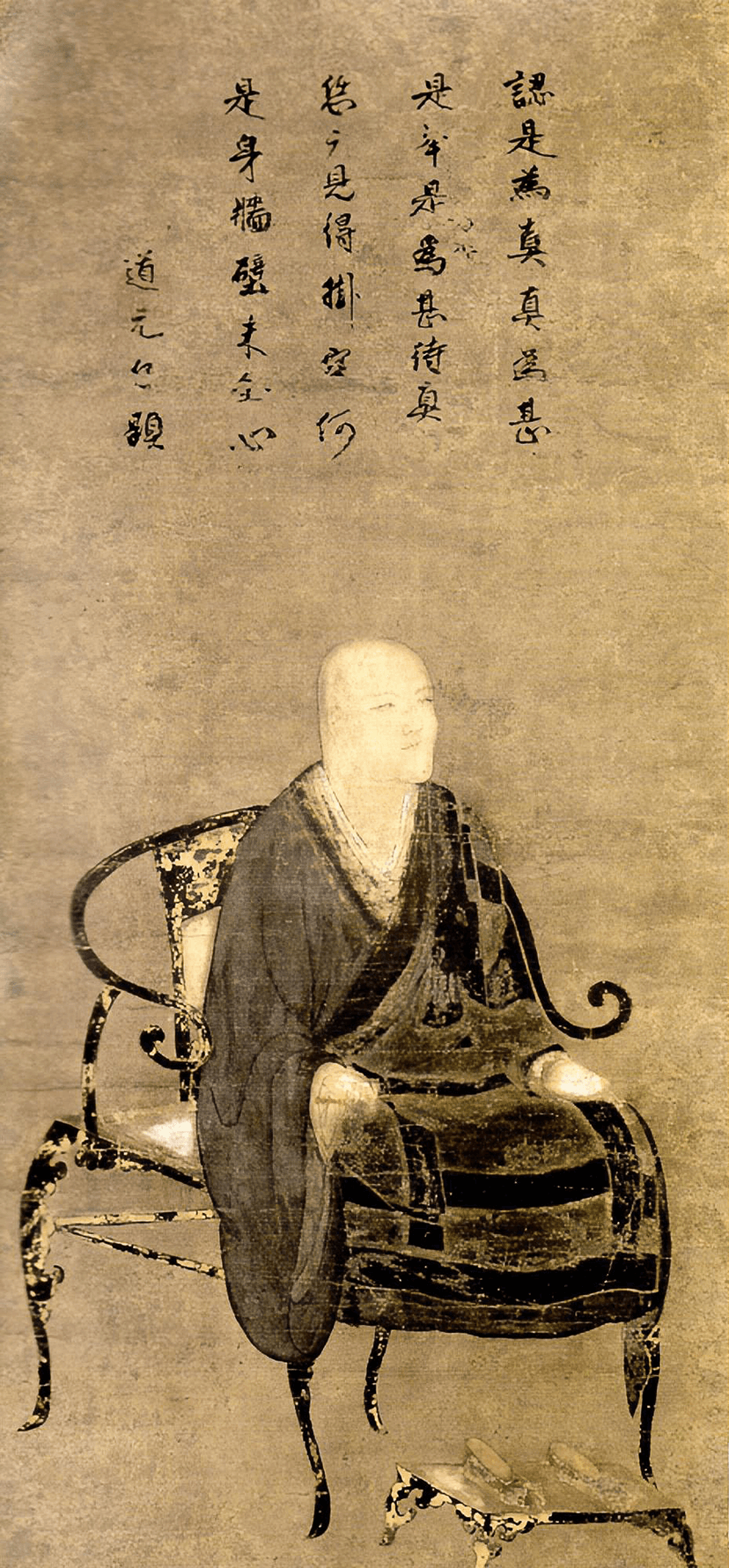
Dōgen
Dōgen was a pivotal Japanese Zen Buddhist monk, philosopher, and poet who founded the Sōtō school of Zen in Japan. Dissatisfied with existing Buddhist teachings, he traveled to China and studied under Tiāntóng Rújìng, an eminent master of the Cáodòng lineage. Upon his return, Dōgen introduced and emphasized the practice of zazen (sitting meditation) through his extensive writings, most notably the Shōbōgenzō, which remain central to contemporary Sōtō Zen.