
Myōe
Japan·Kegon School·Male·12th century
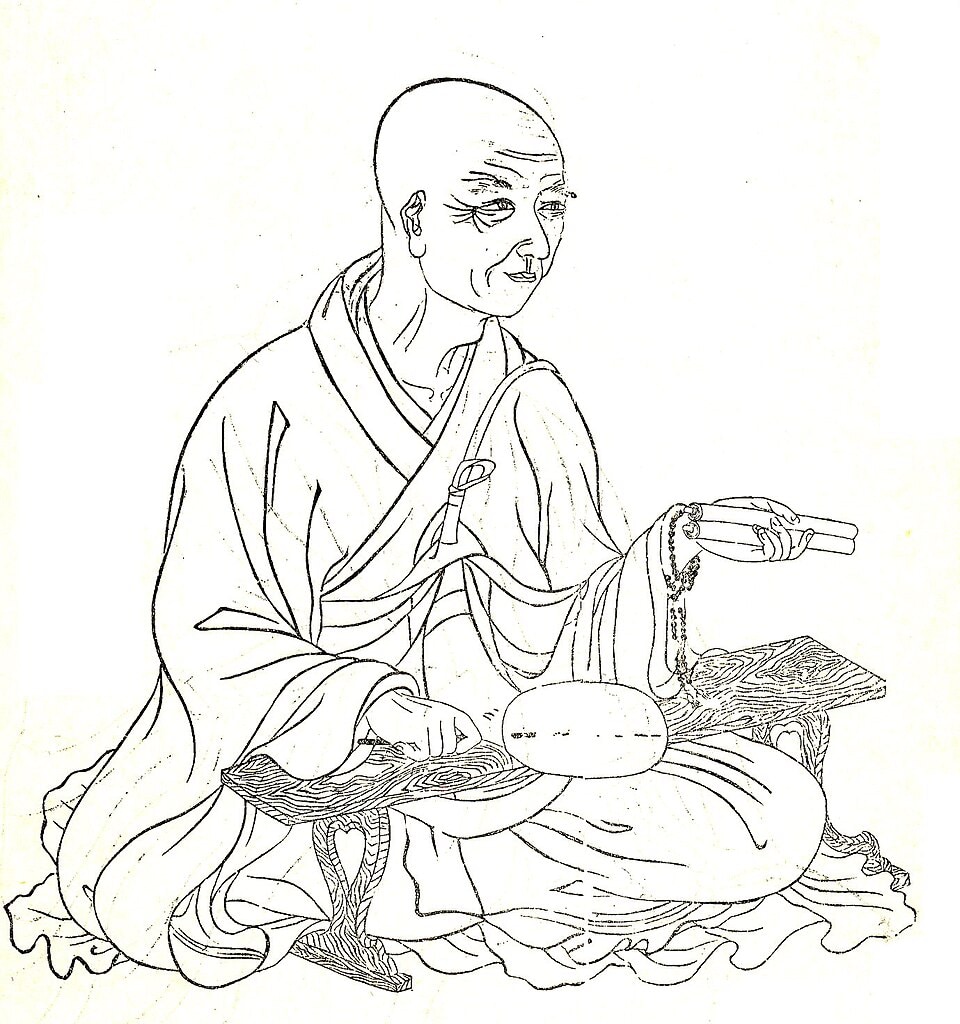
Myōe, also known as Kōben, was a prominent Japanese Buddhist monk of the Kamakura period. He is renowned for his scholarly contributions to the Kegon school, his popularization of the Mantra of Light, and his extensive dream journal, which continues to be studied by scholars. Myōe also championed the revival of monastic discipline and sought to make esoteric Buddhist teachings accessible to laypeople.
Key Facts
- ›Born in 1173 in what is now Wakayama Prefecture, Japan.
- ›Ordained as a priest in 1188 at Tōdai-ji, training in Kegon, Kusha, Shingon, and Zen Buddhism.
- ›Served as abbot of Kōzan-ji, a Kegon temple near Kyoto, from 1206.
- ›Famous for his 40-year dream journal, which offers insights into his spiritual life and Buddhist scholarship.
- ›Authored treatises like Zaijarin to critique Pure Land Buddhism while also seeking to make esoteric teachings accessible.
- ›Died in 1232 at the age of 58.
Important Relationships
- Jōkei
- Hōnen
- Kūkai
Zaijarin, Zaijarin ShōGonki, Sanji Raishaku, Dream Journal
KōZan-Ji, Jingo-Ji, TōDai-Ji, Ninna-Ji, Aridagawa, Kii Province, Kyoto
Eisai
Japanese, Sanskrit
Priest Ordination
About Myōe
Myōe (1173–1232)
Myōe, also known by his monastic name Kōben, was a highly influential Japanese Buddhist monk of the Kamakura period. Active in the late 12th and early 13th centuries, he was a scholar and practitioner deeply involved with the Kegon school of Buddhism. Myōe is particularly celebrated for his extensive and detailed journal of dreams, which he maintained for over 40 years. This unique record continues to be a valuable resource for understanding his spiritual life, Buddhist thought, and the cultural context of his era.
Life and Historical Context
Born in what is now Wakayama Prefecture, Myōe was orphaned at a young age and received his early education at Jingo-ji. He was ordained as a priest at Tōdai-ji in 1188 and subsequently trained in multiple Buddhist traditions, including Kegon, Kusha, Shingon, and Zen, under prominent teachers of his time. Despite his broad training, Myōe famously sought solitude, at one point cutting off his right ear as a symbolic rejection of worldly entanglements and the political machinations within Buddhist institutions. He twice attempted to travel to India to study Buddhism in its homeland, but oracles from Kasuga-taisha urged him to remain in Japan.
Major Contributions
In 1206, Myōe became the abbot of Kōzan-ji, a significant Kegon temple near Kyoto. Here, he dedicated himself to unifying Buddhist teachings around the Āvataṃsaka Sūtra and worked to revive monastic discipline, a cause he shared with his contemporary Jōkei. Myōe is perhaps most widely recognized for his efforts in popularizing the Mantra of Light, a practice associated with Shingon Buddhism, which he interpreted as a means for rebirth in Amitābha's Pure Land. He also sought to make the complex teachings of esoteric Buddhism more accessible to lay followers.
Myōe was a notable critic of the burgeoning Pure Land movement, particularly the exclusive nembutsu practice advocated by Hōnen. In response to its growing popularity, Myōe penned treatises such as Zaijarin (Breaking the Circle of Heresy) to counter Hōnen's views, arguing that while he agreed with criticisms of the established Buddhist order, the sole focus on nembutsu neglected crucial Mahayana concepts like bodhicitta and upāya (skillful means).
Legacy
Myōe's pragmatic approach led him to adopt useful practices from other schools, notably Zen. He developed innovative forms of mandalas using Japanese calligraphy and Sanskrit scripts, a style later emulated by figures like Shinran and Nichiren. His detailed monastic regulations, recorded on a tablet at Kōzan-ji, illustrate his commitment to rigorous spiritual practice and ethical conduct. Myōe died in 1232, leaving behind a rich legacy of scholarship, spiritual guidance, and a unique personal record in his dream journal that continues to fascinate and inform Buddhist studies.
Source: Wikipedia ↗
Frequently Asked Questions
What was Myōe's birth name and when was he born?
Myōe's childhood name was Yakushi-maru. He was born on February 21, 1173.
What Buddhist traditions did Myōe study?
Myōe received training in the Kegon and Kusha schools, Shingon Buddhism, and Zen Buddhism under Eisai, all before the age of 20.
What is Myōe best known for?
Myōe is widely recognized for his contributions to the practice and popularization of the Mantra of Light, his extensive dream journal, and his efforts to revive monastic discipline. He is also noted for his scholarly works and his critiques of certain contemporary Buddhist movements.
What was Myōe's relationship with Hōnen and Pure Land Buddhism?
Myōe was a scathing critic of Hōnen and the new Pure Land Buddhist movement. He wrote treatises, such as the Zaijarin, to refute Hōnen's teachings, arguing that the exclusive practice of the nembutsu was too restrictive and overlooked important Mahayana Buddhist concepts.
What were Myōe's monastic regulations like?
Myōe promulgated detailed monastic regulations, emphasizing practices such as zazen meditation, sutra recitation, and the Mantra of Light. His rules also covered etiquette in the temple study hall and Buddha-altar hall, aiming to foster strict discipline and diligent practice among monks.
Where was Myōe active during his life?
Myōe was born in what is now Wakayama Prefecture and was educated north of Kyoto. He spent significant time in Kii Province and served as abbot of Kōzan-ji, a temple near Kyoto.
Related Buddhists

Shinran
Shinran was a pivotal Japanese Buddhist figure and the founder of the Jōdo Shinshū school during the Kamakura Period. A disciple of Hōnen, Shinran developed a Pure Land vision emphasizing absolute faith in Amida Buddha's "other-power" rather than personal merit. He lived as a married teacher, distinguishing himself from traditional monasticism and profoundly influencing East Asian religious thought.
Jinul
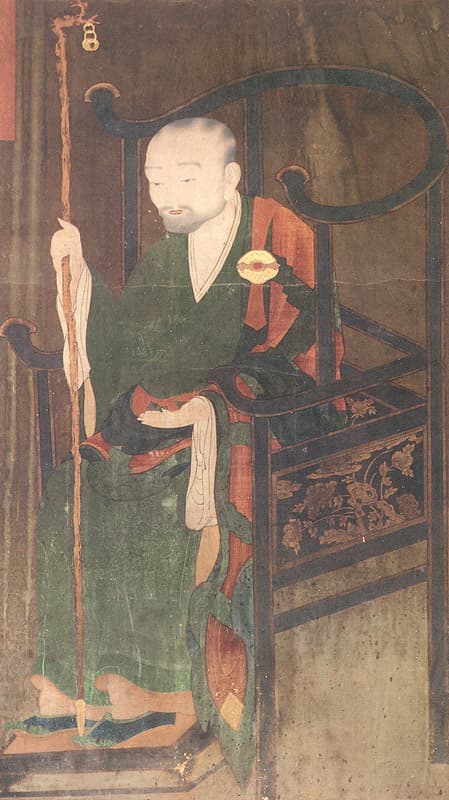
Jinul (1158–1210), often called Chinul, was a Korean monk of the Goryeo period and the most influential figure in forming Korean Seon (Zen) Buddhism. He is recognized as the founder of the Jogye Order, having unified disparate Buddhist sects into a cohesive organization through his teachings on meditation and doctrine. Jinul's work emphasized the inherent Buddha-nature within all beings and the importance of self-reliance in spiritual practice.
Eisai
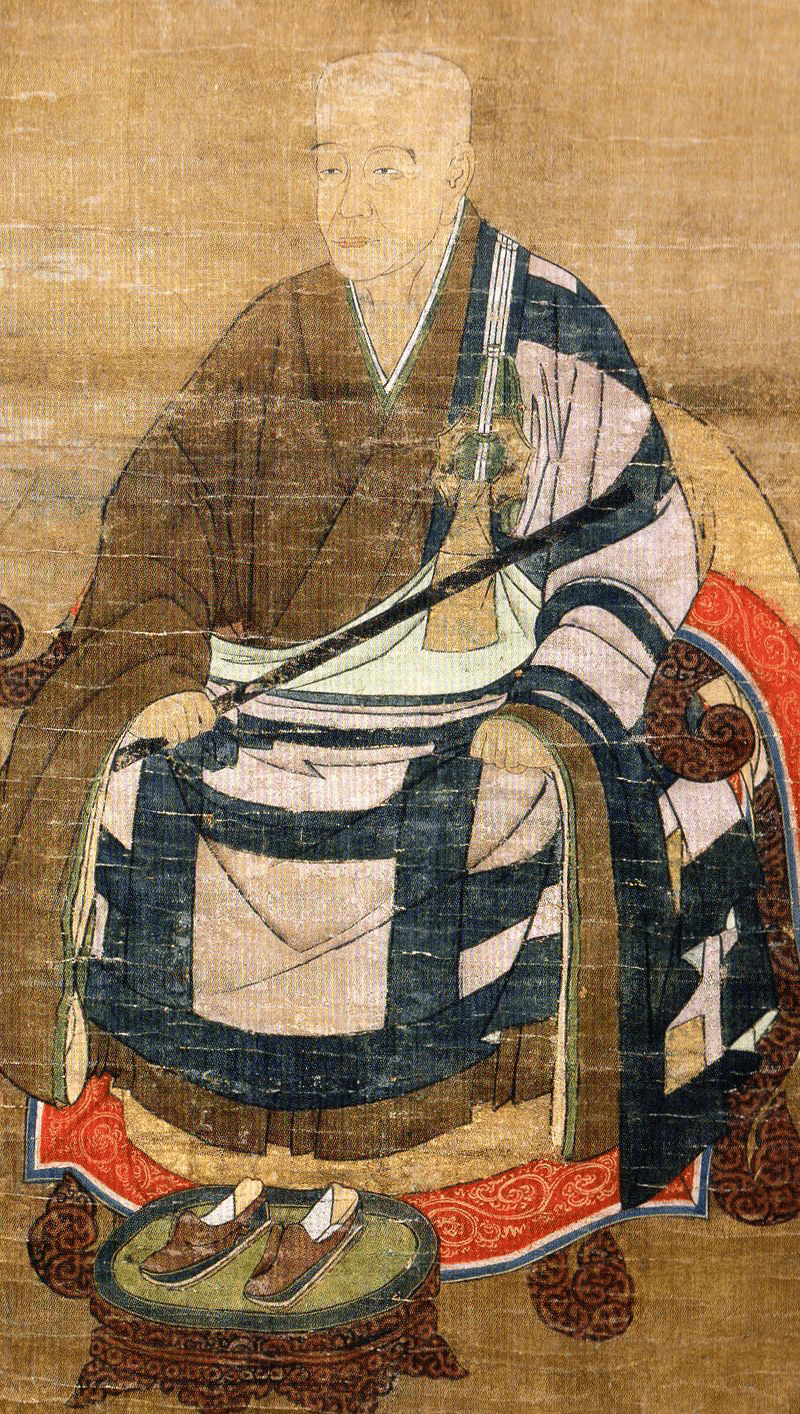
Myōan Eisai was a Japanese Buddhist priest credited with founding the Rinzai school of Zen Buddhism in Japan. He introduced Zen practices and green tea to the country following trips to China, and authored significant texts advocating for Zen's role in national protection. Eisai is also recognized as the founding abbot of several important Zen temples.