
Eisai
Japan·Rinzai school of Zen Buddhism·Male·12th century
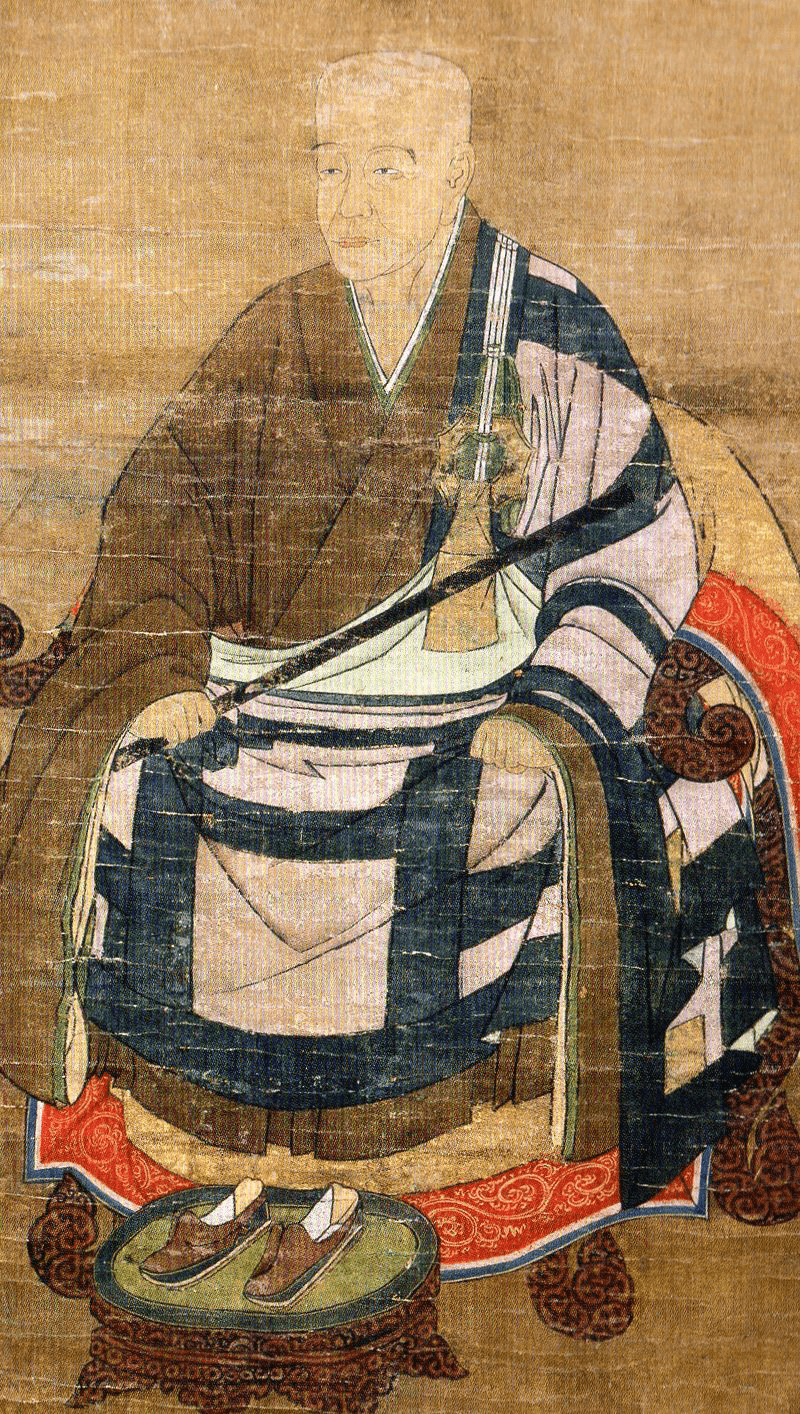
Myōan Eisai was a Japanese Buddhist priest credited with founding the Rinzai school of Zen Buddhism in Japan. He introduced Zen practices and green tea to the country following trips to China, and authored significant texts advocating for Zen's role in national protection. Eisai is also recognized as the founding abbot of several important Zen temples.
Key Facts
- ›Founded the Rinzai school of Zen Buddhism in Japan.
- ›Introduced green tea to Japan from China.
- ›Authored "the Promotion of Zen for the Protection of the Country" (Kōzen gokokuron).
- ›Was the founding abbot of Shōfuku-ji and Kennin-ji temples.
- ›Initially ordained as a monk in the Tendai sect.
- ›His teachings were embraced by the warrior class in Kamakura.
Important Relationships
- Hsü an (master)
- Xuan Huaichang (master)
- Hōjō Masako
- Minamoto no Yoriie
- Eihei Dōgen (disciple)
Kissa YōJōKi, KōZen Gokokuron
Mount Tiantai, Jingde Si Monastery, ShōFuku-Ji, Kennin-Ji, Jufuku-Ji
Linji School, Tendai Sect
Classical Chinese, Japanese
Monastic Vows
About Eisai
Myōan Eisai: Founder of Japanese Rinzai Zen and Popularizer of Tea
Myōan Eisai (1141–1215), also known as Yōsai, was a pivotal figure in Japanese Buddhism, credited with establishing the Rinzai school, the Japanese lineage of the Linji school of Zen Buddhism. His introduction of Zen to Japan in 1191, following extensive study in China, profoundly influenced the nation's spiritual and cultural landscape. Beyond his religious endeavors, Eisai is also widely recognized for popularizing green tea in Japan, a practice he brought back from his travels.
Life and Historical Context
Born in Bitchū Province, Eisai was initially ordained as a monk in the Tendai sect. Dissatisfied with the state of Buddhism, he embarked on journeys to China, first to Mount Tiantai and later a more extended stay from 1187 to 1191, where he became a disciple of the Linji master Xuan Huaichang. Upon his return to Japan in 1191, Eisai brought back Zen scriptures and green tea seeds, immediately founding Shōfuku-ji, Japan's first Zen temple. His efforts to propagate Zen faced resistance from established Buddhist schools, leading him to seek patronage from the warrior class in Kamakura, where he established Jufuku-ji. He later founded Kennin-ji in Kyoto in 1202. Eisai's approach was notably eclectic; he never fully renounced his Tendai affiliation and continued to engage in its esoteric practices.
Major Contributions
Eisai's most significant contribution was the establishment of the Rinzai school, which brought a distinct form of Zen Buddhism to Japan. His written work, "The Promotion of Zen for the Protection of the Country" (Kōzen gokokuron), argued for Zen's vital role in national stability and defense, drawing parallels between the well-being of Buddhism and the nation. Furthermore, Eisai's book "Kissa Yōjōki" (Drinking Tea for Health) documented the medicinal properties of green tea, promoting it as a remedy for ailments and a source of balance, particularly in the context of the perceived decline of the Dharma (mappō).
Legacy
Eisai's influence extended beyond his direct disciples. He is remembered as the progenitor of Rinzai Zen in Japan and as the figure who initiated the country's enduring tea culture. His emphasis on Zen's capacity to strengthen the nation also left a lasting mark on the relationship between Buddhism and the state. Among his prominent students was Eihei Dōgen, who would go on to found the Sōtō school of Zen in Japan, further diversifying the Zen landscape.
Source: Wikipedia ↗
Frequently Asked Questions
When and where was Eisai born?
Eisai was born on May 27, 1141, in Bitchū Province, which is modern-day Okayama Prefecture in Japan.
What is Eisai most known for introducing to Japan?
Eisai is most known for introducing the Rinzai school of Zen Buddhism and green tea to Japan. He brought back green tea seeds from China on his second trip.
What was Eisai's most significant written work?
His most significant written work is "The Promotion of Zen for the Protection of the Country" (Kōzen gokokuron). This text advocated for Zen Buddhism's role in safeguarding the nation.
Did Eisai only practice Zen Buddhism?
No, Eisai maintained his status as a Tendai monk and continued to engage in Tendai esoteric practices throughout his life, demonstrating a continued eclecticism.
Who was a notable disciple of Eisai?
A notable disciple of Eisai was Eihei Dōgen, who later traveled to China and founded the Sōtō school of Zen in Japan.
When and where did Eisai die?
Eisai died on August 1, 1215, at the age of 74, and is buried in the temple grounds of Kennin-ji in Kyoto.
Related Buddhists
Hōnen
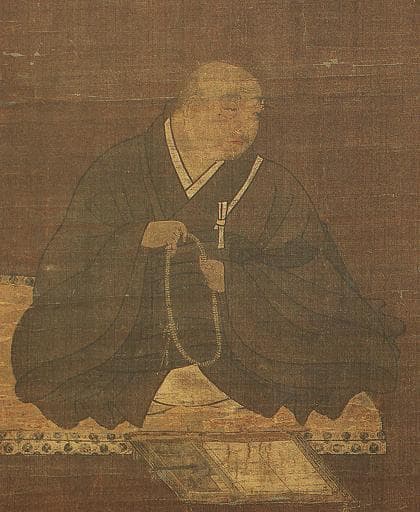
Hōnen was a Japanese Buddhist monk and the founder of Jōdo-shū, the first independent branch of Japanese Pure Land Buddhism. Dissatisfied with the exclusivity of existing Buddhist practices, he advocated for the universal salvation of all people through the simple recitation of "Namo Amida Butsu" (nembutsu). His teachings, emphasizing faith in Amitābha Buddha's vow, gained widespread popularity among laypeople and significantly influenced Kamakura period Buddhism.
Jinul
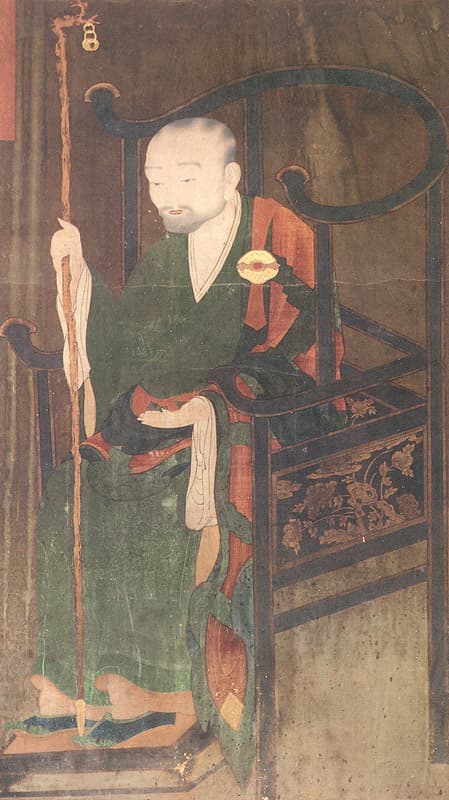
Jinul (1158–1210), often called Chinul, was a Korean monk of the Goryeo period and the most influential figure in forming Korean Seon (Zen) Buddhism. He is recognized as the founder of the Jogye Order, having unified disparate Buddhist sects into a cohesive organization through his teachings on meditation and doctrine. Jinul's work emphasized the inherent Buddha-nature within all beings and the importance of self-reliance in spiritual practice.
Gampopa
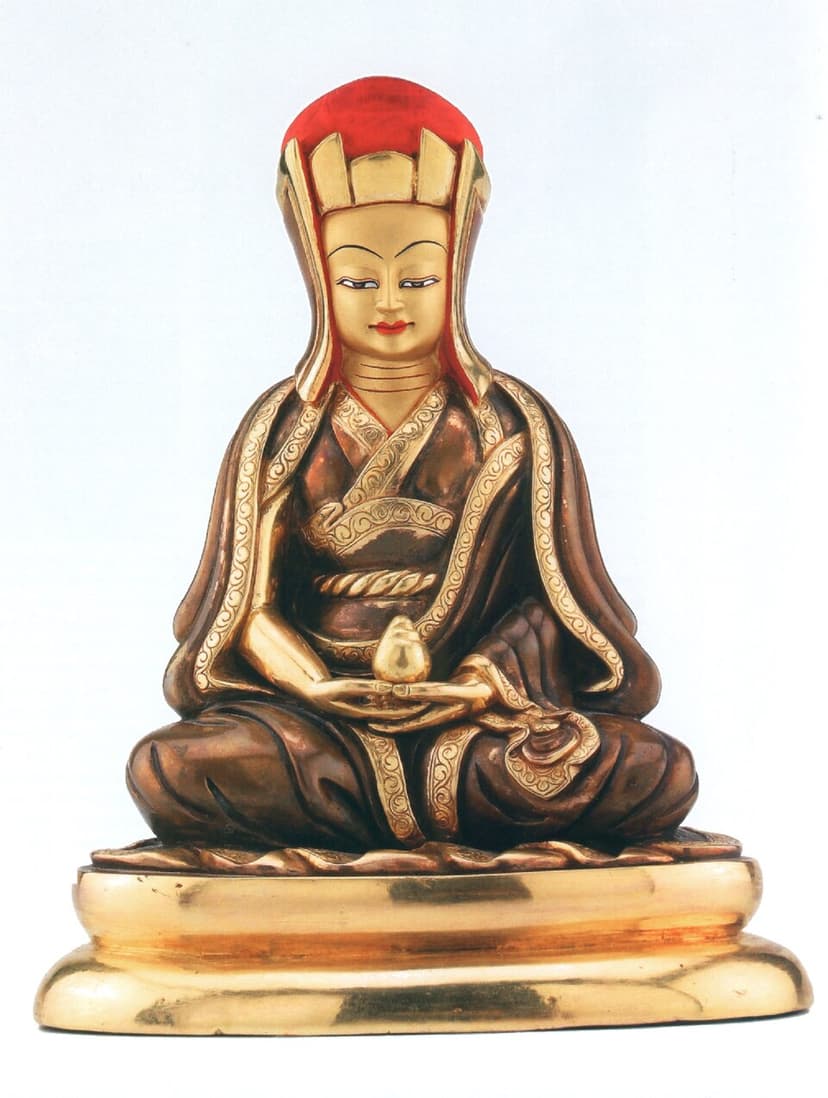
Gampopa Sönam Rinchen, known as the main student of Milarepa, was a pivotal Tibetan Buddhist master who established the foundation of the Kagyu educational tradition. He integrated the Kadampa teachings with Milarepa's Mahamudra practices, authoring the influential "Jewel Ornament of Liberation" and founding the Dagpo Kagyu school.