
Hōnen
Japan·Jōdo-shū (Pure Land Buddhism)·Male·12th century
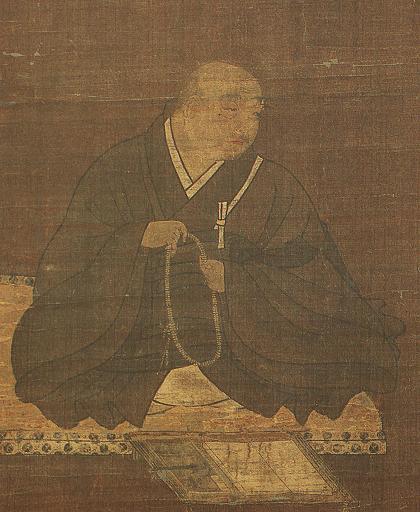
Hōnen was a Japanese Buddhist monk and the founder of Jōdo-shū, the first independent branch of Japanese Pure Land Buddhism. Dissatisfied with the exclusivity of existing Buddhist practices, he advocated for the universal salvation of all people through the simple recitation of "Namo Amida Butsu" (nembutsu). His teachings, emphasizing faith in Amitābha Buddha's vow, gained widespread popularity among laypeople and significantly influenced Kamakura period Buddhism.
Key Facts
- ›Founded Jōdo-shū, the first independent branch of Japanese Pure Land Buddhism.
- ›Advocated for universal salvation through the recitation of the Buddha's name (nembutsu).
- ›His teachings were accessible to all classes and genders, including laypeople.
- ›Authored the influential work Senchakushū, outlining his Pure Land doctrine.
- ›Was exiled in 1207 but later pardoned and allowed to return to Kyoto.
- ›Considered the Seventh Patriarch in the Shinshū tradition.
Important Relationships
- Kujō Kanezane
- Shinran
- Emperor Tsuchimikado
- Emperor Go-Toba
Senchakushū, One-Sheet Document
Mount Hiei, Kyoto, Nara, TōDai-Ji
Shandao, Tanluan, Daochuo, Huaigan, Genshin, Tendai School
Classical Chinese, Japanese
Bodhisattva Vows
About Hōnen
Hōnen: Founder of Japanese Pure Land Buddhism
Hōnen (1133–1212), also known as Genkū, was a transformative figure in Japanese Buddhism, credited as the founder of Jōdo-shū, the Pure Land School. He sought to create a path to enlightenment accessible to all individuals, regardless of their social standing or gender, a departure from the more exclusive practices prevalent at the time. His teachings centered on the simple, yet profound, practice of reciting the name of Amitābha Buddha (nembutsu) with faith, believing this act alone could lead to rebirth in Amitābha's Pure Land.
Early Life and Spiritual Awakening
Hōnen was born into a prominent family in Mimasaka Province. Following his father's assassination, he fulfilled his dying wish by becoming a monk at age nine. He was initiated into the Tendai school on Mount Hiei, where he underwent rigorous training. However, Hōnen grew disillusioned with the complex doctrines and perceived elitism of Mount Hiei. He sought a more direct and universal approach to Buddhist practice, deeply moved by the suffering of common people.
His spiritual turning point came after reading the works of the Chinese Pure Land master Shandao, particularly the "Commentary on the Amitāyus Contemplation Sūtra." Shandao's emphasis on the sole efficacy of the nembutsu convinced Hōnen that this practice was the most direct and accessible means to achieve liberation in the current Age of Dharma Decline.
Founding Jōdo-shū and Popular Influence
Relocating to Kyoto, Hōnen began to teach his simple nembutsu practice to a wide audience, attracting a diverse following that included samurai, merchants, and even those on the fringes of society. This inclusivity and the promise of universal salvation resonated deeply, especially during the turbulent Kamakura period. His teachings, however, drew considerable criticism from established Buddhist schools who questioned the exclusive reliance on nembutsu. This led to public debates, such as the Ohara Controversy, which ultimately amplified Hōnen's popularity.
Hōnen's influence extended to the imperial court, where he lectured and was patronized by figures like Kujō Kanezane. It was at Kanezane's behest that Hōnen compiled his magnum opus, the Senchakushū, which systematically expounded his Pure Land doctrine. Hōnen was also the first Japanese Buddhist author to have his writings printed, a significant development in the history of Japanese Buddhism.
Exile and Legacy
Despite his widespread influence, Hōnen faced persecution. In 1207, an incident involving his disciples led to an imperial ban on exclusive nembutsu practice, resulting in Hōnen's exile to Shikoku. Though later pardoned, he returned to Kyoto briefly before his death in 1212. His final testament, the One-Sheet Document, succinctly summarizes his core teachings. Hōnen's emphasis on the spiritual welfare of women, regardless of social status, also contributed to a greater role for women in the Jōdo-shū tradition. He is revered as the founder of Jōdo-shū and is considered the Seventh Patriarch in the Shinshū tradition, leaving an indelible mark on Japanese religious history.
Source: Wikipedia ↗
Frequently Asked Questions
Who was Hōnen?
Hōnen was a pivotal Japanese Buddhist monk and the founder of Jōdo-shū, the Pure Land School. He is renowned for establishing a path to enlightenment accessible to all individuals, regardless of social status or gender.
What is the main teaching of Hōnen's Jōdo-shū?
The central tenet of Jōdo-shū, founded by Hōnen, is the practice of 'nembutsu,' which involves the recitation of 'Namo Amida Butsu' (Homage to Amitābha Buddha). This practice, coupled with faith in Amitābha's vow, is believed to ensure rebirth in the Pure Land.
Why did Hōnen seek a new approach to Buddhism?
Hōnen became disaffected with the Tendai school and sought a Buddhist practice that all people, irrespective of their class or gender, could follow, especially during the perceived Age of Dharma Decline. He found this in the Pure Land teachings of Chinese master Shandao.
Who were some of Hōnen's notable followers?
Hōnen gathered a wide array of followers. Notably, Shinran, the founder of Jōdo Shinshū, another major Japanese Pure Land tradition, was a prominent disciple of Hōnen.
What were the criticisms against Hōnen's teachings?
Hōnen faced criticism from rival Buddhist traditions who argued against his sole reliance on nembutsu. Accusations included his teachings undermining other Buddhist practices and placing laypeople on equal footing with monks.
What significant work did Hōnen write?
Hōnen's most significant work is the Senchakushū (Collection of Selections on Nenbutsu and the Original Vow), written at the request of his patron Kujō Kanezane. This text outlines his core Pure Land doctrine.
What was Hōnen's experience with exile?
In 1207, Hōnen and some of his followers were exiled due to accusations of impropriety related to a nembutsu retreat. He was exiled to Shikoku but was later pardoned and allowed to return to Kyoto before his death.
Related Buddhists
Hong Choon
Hong Choon was the second president of the Singapore Buddhist Federation and the second abbot of Kong Meng San Phor Kark See Monastery. He significantly expanded the monastery and was instrumental in propagating Buddhism in Singapore, also serving as a prominent Feng Shui master. His later years were marked by visits to China to aid in the restoration of Buddhist sites associated with his master.
Eisai
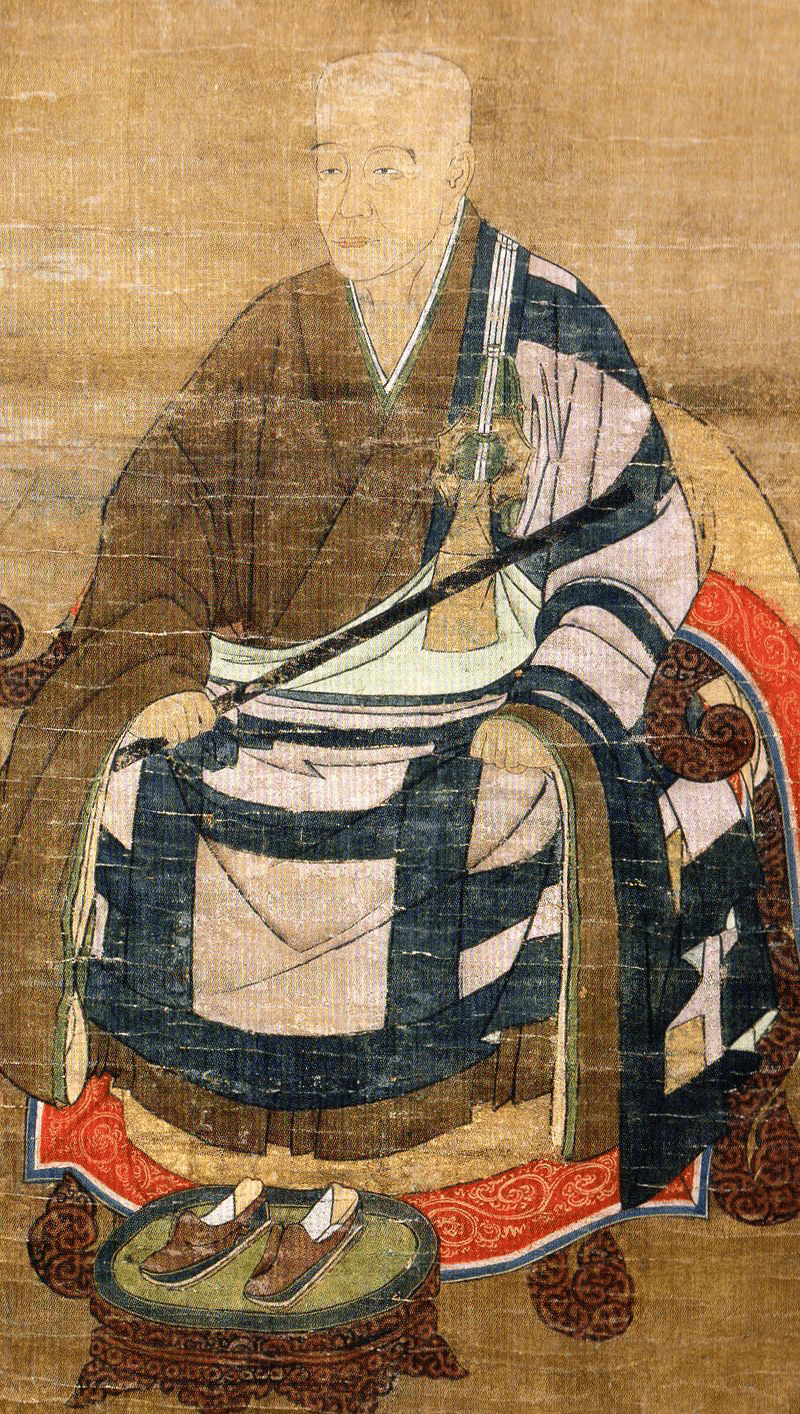
Myōan Eisai was a Japanese Buddhist priest credited with founding the Rinzai school of Zen Buddhism in Japan. He introduced Zen practices and green tea to the country following trips to China, and authored significant texts advocating for Zen's role in national protection. Eisai is also recognized as the founding abbot of several important Zen temples.
Jigten Sumgön
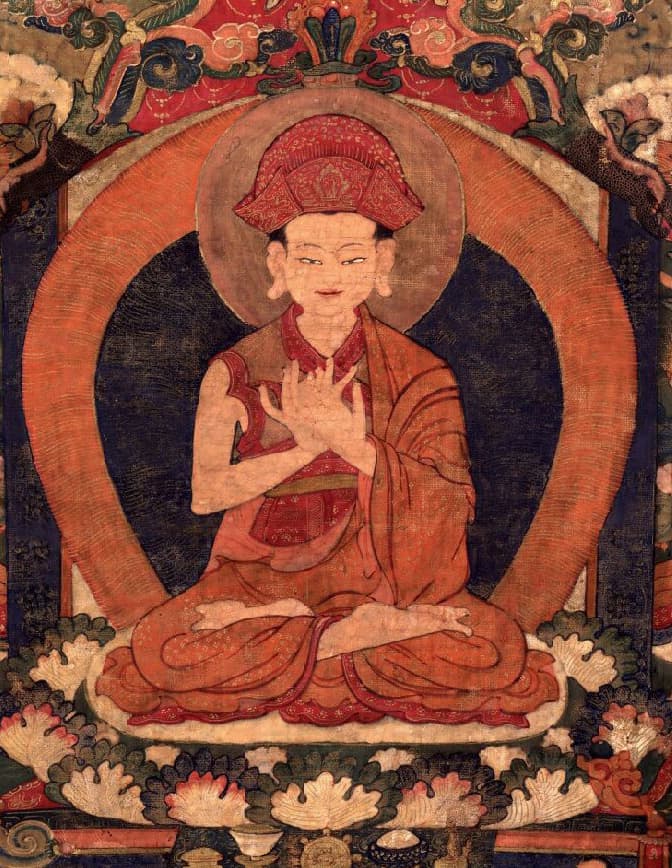
Jigten Sumgön was the founder of the Drikung Kagyu lineage of Tibetan Buddhism and a principal disciple of Phagmo Drupa. He is renowned for establishing Drikung Thil Monastery and for his teachings, particularly the "Single Intention" (Gongchig), which emphasizes a unified essence across all Buddhist doctrines. His influence extended to many practitioners, including prominent figures like Lama Tsongkhapa.