
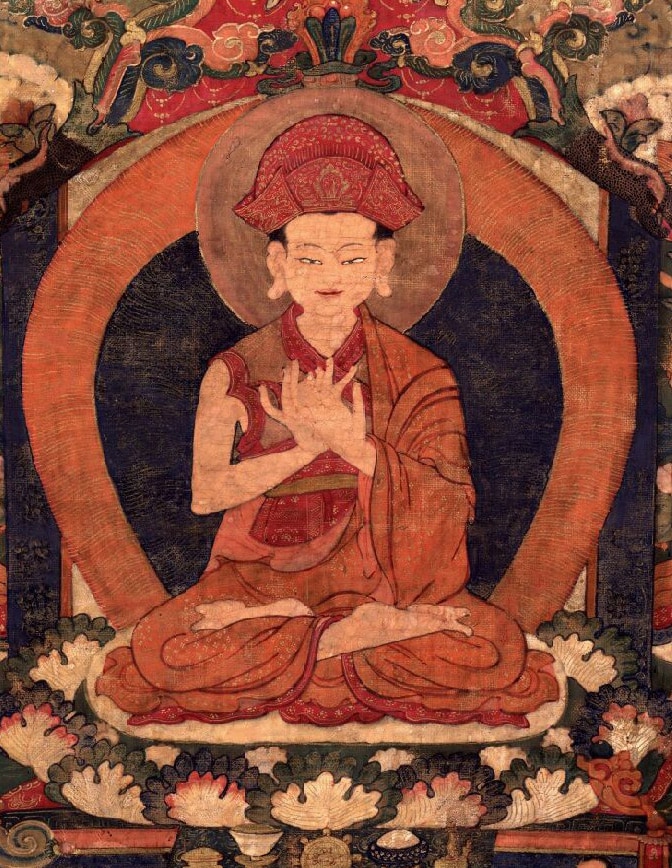
Jigten Sumgön
Tibet·Drikung Kagyu·Male·12th century
Jigten Sumgön was the founder of the Drikung Kagyu lineage of Tibetan Buddhism and a principal disciple of Phagmo Drupa. He is renowned for establishing Drikung Thil Monastery and for his teachings, particularly the "Single Intention" (Gongchig), which emphasizes a unified essence across all Buddhist doctrines. His influence extended to many practitioners, including prominent figures like Lama Tsongkhapa.
Key Facts
- ›Founded the Drikung Kagyu lineage of Tibetan Buddhism.
- ›Established Drikung Thil Monastery in 1179.
- ›His primary teachings are known as the "five Profound Paths of Mahāmudrā".
- ›Authored or inspired the "Single Intention" (Gongchig), a philosophical compendium.
- ›His teachings emphasized a unified essence across all Buddhist doctrines.
- ›Attracted up to 130,000 monks and practitioners to his teachings.
Important Relationships
- Achi Chökyi Drölma (great-grandmother)
- Lama Tsongkhapa (disciple of his teachings)
Gongchig, the Heart of the Great Vehicle's Teachings
Drikung Thil Monastery, Kham Region
Phagmo Drupa
Tibetan
About Jigten Sumgön
Jigten Sumgön, whose name translates to "Lord of the Triple World," was a pivotal figure in Tibetan Buddhism, recognized as the founder of the Drikung Kagyu lineage. Born in 1143 in the Kham region of Tibet, he was initially given a Bön name, Welbar Tar, due to his mother's connection with that tradition. His father was a practitioner of Vajrayāna, and Jigten Sumgön began supporting his family by reciting scriptures after his father's death in his youth, demonstrating early spiritual inclination.
Life and Historical Context
Jigten Sumgön was born into the prominent Kyura clan. His great-grandmother, Achi Chökyi Drölma, had prophesied his birth and vowed to protect his lineage. He is known by various names, including Drikung Kyobpa Jigten Gönpo Rinpoche. By the age of eight, he reportedly understood the nature of phenomena as being like reflections. He became a main disciple of Phagmo Drupa, a significant master whose teachings profoundly influenced him.
Major Contributions
In 1179, Jigten Sumgön founded Drikung Thil Monastery, which became a central seat for his lineage. He is most celebrated for his teachings, particularly the "Five Profound Paths of Mahāmudrā." A key philosophical contribution is the concept of the "Single Intention" (Gongchig), a collection of teachings emphasizing that all Buddhist doctrines share a unified essence. This compendium, further elaborated by later generations, posits that this single intent is accessible through various means, applicable to all beings seeking Buddhahood. Jigten Sumgön also inspired another collection of teachings known as "The Heart of the Great Vehicle's Teachings."
Teaching Philosophy
Jigten Sumgön and his followers often expressed a skeptical view of purely philosophical inquiry, suggesting that such tenets could veil true reality. He encouraged practitioners to seek direct realization of the mind's nature rather than relying solely on intellectual understanding. His teachings attracted a large number of followers, with estimates suggesting up to 130,000 monks and practitioners attending his discourses at one time. His influence extended to later prominent figures, such as Lama Tsongkhapa, the founder of the Gelug school, who studied Drikung teachings.
Legacy
Jigten Sumgön passed away in 1217. His founding of the Drikung Kagyu lineage and his profound teachings, particularly the "Single Intention," have left a lasting impact on Tibetan Buddhism. The Drikung Thil Monastery continued to be a significant center, drawing many scholars and practitioners for centuries after his passing, including influential figures who integrated his teachings into their own lineages.
Source: Wikipedia ↗
Frequently Asked Questions
What does the name Jigten Sumgön mean?
Jigten Sumgön translates to 'Lord of the Triple World'. This name reflects his significant spiritual stature and influence within Buddhist traditions.
What is the significance of the "Single Intention" (Gongchig)?
The "Single Intention" is a central teaching attributed to Jigten Sumgön, positing that all of the Buddha's teachings share a single essence or intent. This intent is often identified with concepts like 'nonarising' or 'mahamudra'.
What was Jigten Sumgön's stance on philosophical tenets?
Jigten Sumgön and his followers generally held a dismissive attitude towards the usefulness of philosophical tenets, believing they could obscure true reality. Instead, he advocated for direct realization of the nature of the mind.
Who was Jigten Sumgön's main teacher?
Jigten Sumgön's main spiritual teacher was Phagmo Drupa, from whom he received significant instruction and guidance.
Which monastery did Jigten Sumgön found?
Jigten Sumgön founded Drikung Thil Monastery in 1179, which became a major center for the Drikung Kagyu lineage.
Related Buddhists
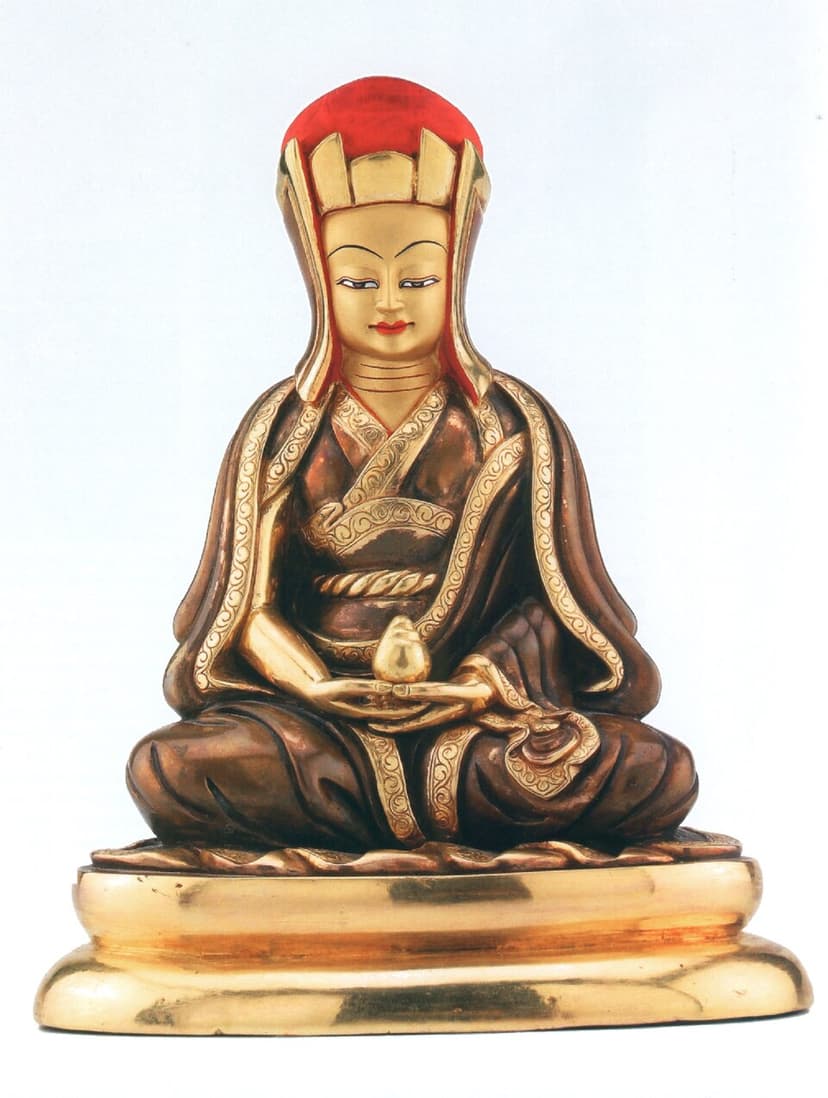
Gampopa
Gampopa Sönam Rinchen, known as the main student of Milarepa, was a pivotal Tibetan Buddhist master who established the foundation of the Kagyu educational tradition. He integrated the Kadampa teachings with Milarepa's Mahamudra practices, authoring the influential "Jewel Ornament of Liberation" and founding the Dagpo Kagyu school.
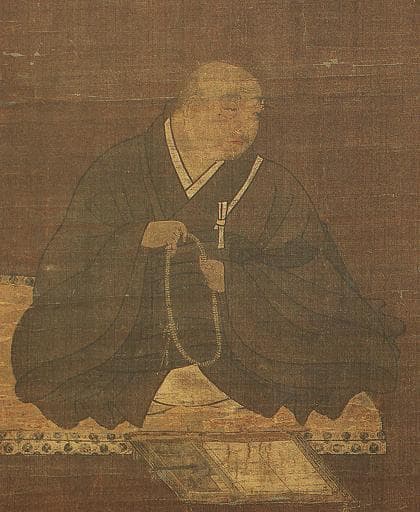
Hōnen
Hōnen was a Japanese Buddhist monk and the founder of Jōdo-shū, the first independent branch of Japanese Pure Land Buddhism. Dissatisfied with the exclusivity of existing Buddhist practices, he advocated for the universal salvation of all people through the simple recitation of "Namo Amida Butsu" (nembutsu). His teachings, emphasizing faith in Amitābha Buddha's vow, gained widespread popularity among laypeople and significantly influenced Kamakura period Buddhism.
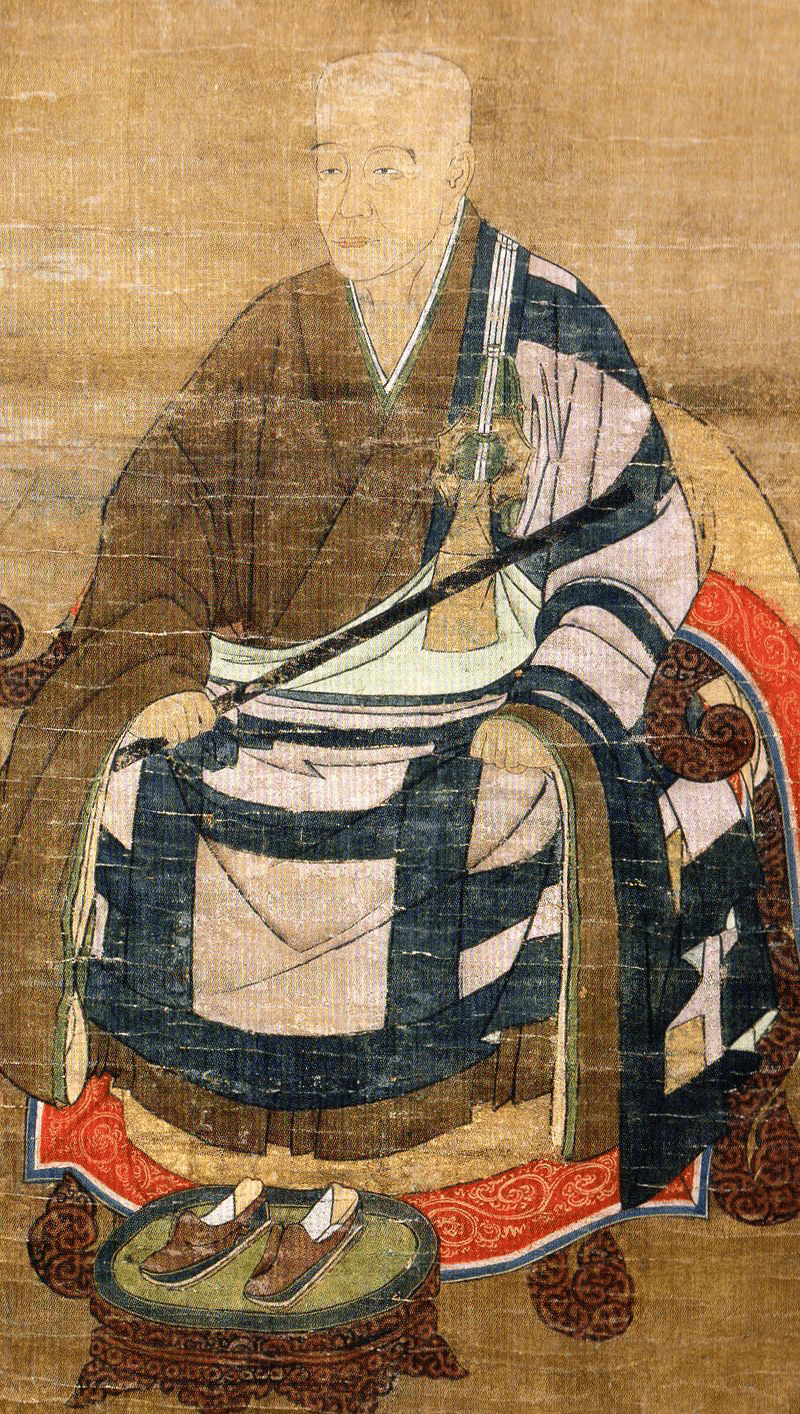
Eisai
Myōan Eisai was a Japanese Buddhist priest credited with founding the Rinzai school of Zen Buddhism in Japan. He introduced Zen practices and green tea to the country following trips to China, and authored significant texts advocating for Zen's role in national protection. Eisai is also recognized as the founding abbot of several important Zen temples.