
Hong Choon
Singapore·Mahayana·Male·20th century
Hong Choon was the second president of the Singapore Buddhist Federation and the second abbot of Kong Meng San Phor Kark See Monastery. He significantly expanded the monastery and was instrumental in propagating Buddhism in Singapore, also serving as a prominent Feng Shui master. His later years were marked by visits to China to aid in the restoration of Buddhist sites associated with his master.
Key Facts
- ›Born in Jinjiang, Fujian province, China in 1907.
- ›Ordained at age 13 at Cheng Tian Temple and given the Dharma name Hong Choon.
- ›Became abbot of Kong Meng San Phor Kark See Monastery in 1943, serving for over four decades.
- ›Expanded the monastery into Singapore's largest venue for Buddhist practice.
- ›Also recognized as a prominent Feng Shui master.
- ›Made eight visits to China between 1982 and 1990 to aid in monastery restoration.
Important Relationships
- Hui Quan
Kong Meng San Phor Kark See Monastery, Singapore, Jinjiang, Fujian Province, China, Cheng Tian Temple
Hui Quan
Ordination Vows
About Hong Choon
Hong Choon (1907 – 1990) was a significant figure in Singaporean Buddhism, serving as the second president of the Singapore Buddhist Federation and the second abbot of the Kong Meng San Phor Kark See Monastery. His tenure as abbot, beginning in 1943, spanned over four decades and saw the monastery develop into the largest Buddhist practice venue in Singapore, growing from two shrine halls to an expansive facility.
Early Life and Ordination
Born in Jinjiang, Fujian province, China, Hong Choon was ordained at the age of 13 by Hui Quan at Cheng Tian Temple, receiving the Dharma name Hong Choon. He later fled southern China during the Second Sino-Japanese War with his master, seeking refuge in Singapore. In addition to his monastic studies, Hong Choon also pursued the study of Feng Shui under Master Yen Ben in the 1950s.
Leadership and Propagation of Buddhism
As abbot, Hong Choon was dedicated to propagating Buddhism in Singapore. He initiated the monthly Great Compassion Prayer and represented the monastery at numerous social and Buddhist functions. Beyond his role at Kong Meng San Phor Kark See Monastery, he was also recognized as the President of the Singapore Buddhist Federation and held honorary presidencies in various Buddhist temples across Singapore and Southeast Asia. In 1987, the Thai King Bhumibol Adulyadej bestowed upon him the title of Highest Monk, Phra Ajancin Bodhi Sangvara Sinhanakorn Kanachan.
Later Years and Legacy
Hong Choon was also well-regarded as a prominent Feng Shui master. In the latter part of his life, between 1982 and 1990, he made eight visits to China. These pilgrimages involved visiting sacred Buddhist sites, officiating religious ceremonies, and meeting with Chinese and Buddhist leaders to assist in the restoration of monasteries connected to his master, Venerable Hui Quan. Hong Choon passed away on December 25, 1990. His legacy is honored at Phor Kark See Monastery with a relic stupa and a memorial hall.
Source: Wikipedia ↗
Frequently Asked Questions
When and where was Hong Choon born?
Hong Choon was born in 1907 in Jinjiang, Fujian province, China.
What significant leadership roles did Hong Choon hold?
He served as the second president of the Singapore Buddhist Federation and the second abbot of Kong Meng San Phor Kark See Monastery. He was also nominated as the honorary president of several Buddhist temples in Singapore and the Southeast Asia region.
How did Hong Choon contribute to Kong Meng San Phor Kark See Monastery?
As abbot, he transformed the monastery from two shrine halls into a large monastic facility, expanding its total area to become the largest venue for Buddhist practice in Singapore. He also initiated monthly Great Compassion Prayers.
What was Hong Choon's connection to Feng Shui?
Hong Choon studied Feng Shui under Master Yen Ben in the 1950s and was honored as one of the prominent Feng Shui masters of his time.
What was Hong Choon's role in Singapore-China relations?
Towards the end of his life, Hong Choon made multiple visits to China to visit Buddhist sites, officiate ceremonies, and meet with leaders to help restore monasteries associated with his master, Venerable Hui Quan.
When did Hong Choon die and how is he commemorated?
Hong Choon died on December 25, 1990. A relic stupa and a memorial hall were later built at the Phor Kark See Monastery in his memory.
Related Buddhists
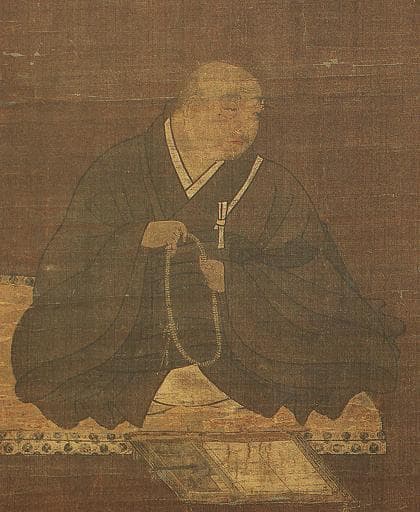
Hōnen
Hōnen was a Japanese Buddhist monk and the founder of Jōdo-shū, the first independent branch of Japanese Pure Land Buddhism. Dissatisfied with the exclusivity of existing Buddhist practices, he advocated for the universal salvation of all people through the simple recitation of "Namo Amida Butsu" (nembutsu). His teachings, emphasizing faith in Amitābha Buddha's vow, gained widespread popularity among laypeople and significantly influenced Kamakura period Buddhism.
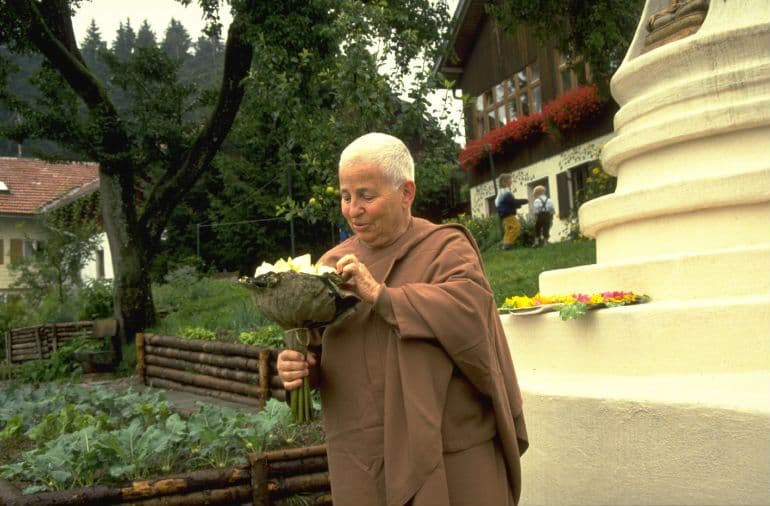
Ayya Khema
Ayya Khema was a German-born Buddhist teacher and author known for her efforts to create opportunities for women in Buddhism. She founded several centers worldwide and co-coordinated the first International Conference on Buddhist Women, which led to the establishment of the Sakyadhita International Association of Buddhist Women. Over two dozen books of her transcribed Dhamma talks have been published, alongside her autobiography.

Chandragomin
Chandragomin was an influential Indian Buddhist lay scholar and poet known for his philosophical writings and the play Lokānanda. Active during the 5th century, he was a teacher at Nalanda Monastic University and is recognized for his contributions to grammar and his devotional works to the goddess Tara. The Tibetan tradition holds him in high regard, believing he once challenged Chandrakirti.