
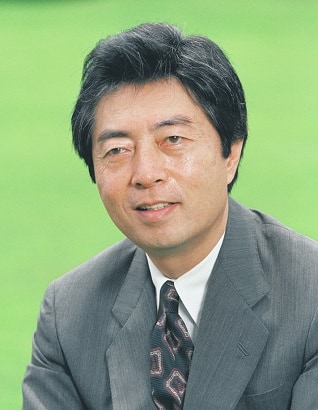
Morihiro Hosokawa
Japan·Japan New Party·Male·20th century
Morihiro Hosokawa is a Japanese politician who served as Prime Minister of Japan from 1993 to 1994, leading the first non-Liberal Democratic Party (LDP) coalition government since 1955. He is also known for initiating electoral reforms and making unprecedented apologies concerning Japan's actions in World War II. Since retiring from politics, Hosokawa has pursued a career as a potter and tea master.
Key Facts
- ›Served as Prime Minister of Japan from 1993 to 1994.
- ›Led an eight-party coalition government, breaking the LDP's long-standing grip on power.
- ›Initiated electoral reforms aimed at combating political corruption.
- ›Made significant statements acknowledging Japan's wartime aggression in Asia.
- ›Is a grandson of former Prime Minister Prince Fumimaro Konoe.
- ›Active as a potter and tea master in his post-political career.
Important Relationships
- Prince Fumimaro Konoe
Kumamoto Prefecture, Tokyo
Politician, Prime Minister, Governor, Potter, Tea Master
Former Prime Minister
About Morihiro Hosokawa
Morihiro Hosokawa is a prominent Japanese politician who served as the 79th Prime Minister of Japan from August 1993 to April 1994. He is distinguished for leading an eight-party coalition government, which was the first administration in Japan not headed by a prime minister from the Liberal Democratic Party (LDP) since 1955. This period marked a significant shift in Japan's political landscape.
Early Life and Political Beginnings
Born in Tokyo on January 14, 1938, Hosokawa hails from a distinguished lineage. He is the eldest grandson of Moritatsu, the 3rd Marquess Hosokawa, and head of the historic Hosokawa clan. His maternal grandfather was Prince Fumimaro Konoe, a former prime minister. Hosokawa graduated from Sophia University with an LL.B. in 1961. After a career as a journalist for the Asahi Shimbun newspaper, he entered politics. He was elected to the National Diet as an LDP representative from Kumamoto Prefecture in 1971.
Governorship and Founding the Japan New Party
Hosokawa served two terms in the National Diet before leaving in 1983 to become the governor of Kumamoto Prefecture, a position he held until 1991. During his tenure, he advocated for an aggressive economic policy and strengthened environmental laws. In May 1992, motivated by a campaign contribution scandal, he founded the reformist Japan New Party (JNP). The JNP achieved significant success in the 1992 House of Councillors election, winning four seats, one of which Hosokawa assumed.
Premiership and Key Initiatives
In the July 1993 general election, the LDP lost its majority, paving the way for an eight-party coalition government led by Hosokawa. His premiership was characterized by a commitment to social, political, and economic reforms. He initiated electoral reforms aimed at combating political corruption, including proposals to eliminate corporate political donations to individual candidates and redraw electoral districts. In foreign policy, Hosokawa made unprecedented statements acknowledging Japan's wartime aggression and offered apologies to neighboring Asian countries, notably South Korea and China.
Challenges and Resignation
Despite his initial popularity and reformist agenda, Hosokawa's coalition government faced challenges. Internal divisions among the coalition parties and his administration's handling of economic issues, including a controversial consumption tax increase, weakened its hold on power. Hosokawa ultimately resigned in April 1994 following revelations about a loan he received from a trucking company, which fueled allegations of impropriety.
Later Political Career and Post-Politics
Following his resignation, Hosokawa continued his political involvement, joining various parties and engaging in cross-party dialogues. He ran unsuccessfully for Governor of Tokyo in 2014, an effort supported by former Prime Minister Junichiro Koizumi, primarily as a platform to voice opposition to the government's pro-nuclear policies. Hosokawa retired from politics in 1998. Since then, he has dedicated himself to the arts, becoming a recognized potter and tea master. He also assumed his role as the 18th head of the main branch of the Hosokawa clan.
Source: Wikipedia ↗
Frequently Asked Questions
When did Morihiro Hosokawa serve as Prime Minister of Japan?
Morihiro Hosokawa served as Prime Minister of Japan from 1993 to 1994. His premiership marked a significant shift in Japanese politics as it was the first government not headed by a Liberal Democratic Party premier since 1955.
What was the significance of Hosokawa's government?
Hosokawa's government was an eight-party coalition, the first such formation to lead Japan since 1955, thereby ending the Liberal Democratic Party's long period in power. His administration also initiated electoral reforms and made notable foreign policy statements regarding Japan's past.
What notable foreign policy actions did Hosokawa take?
During his term, Hosokawa made unprecedented statements acknowledging Japan's wartime aggression in World War II and offered clear apologies to countries like South Korea. These actions were aimed at improving relations with Japan's Asian neighbors.
What were some of the domestic policy initiatives of the Hosokawa government?
Hosokawa's government pursued changes to Japanese election laws to fight corruption, including reforms to political donations and the electoral system. They also implemented a 40-hour workweek and enacted cuts to income and resident taxes.
Why did Morihiro Hosokawa resign as Prime Minister?
Hosokawa resigned in April 1994 due to allegations of accepting a 100-million-yen loan from a trucking company previously linked to bribery and organized crime. While he maintained it was a loan and repaid, the controversy weakened his government.
What has Morihiro Hosokawa done since retiring from politics?
Since retiring from politics in 1998, Morihiro Hosokawa has become an active potter and tea master, exhibiting his work internationally. He also succeeded his father as the head of the Hosokawa clan.
Related Buddhists
Theodorus
Theodorus was a meridarch, or civil governor, in the Swat province of the Indo-Greek Kingdom, active likely between 100 BCE and 55 BCE. He is known from a relic vase inscription in Gandhara that mentions his enshrining relics of Lord Shakyamuni for the welfare of the people, and it suggests the early emergence of Mahayana doctrines and Greco-Buddhism.

Prince Shōtoku
Prince Shōtoku was a semi-legendary regent and politician of Japan's Asuka period, serving under Empress Suiko. He is renowned for modernizing the government and significantly promoting Buddhism in Japan, commissioning temples and authoring Buddhist commentaries. A devotional cult later arose around him, with many Buddhist figures claiming inspiration from his teachings.
Ramdas Athawale
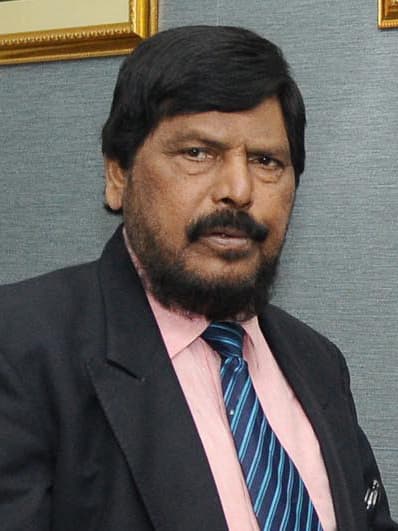
Ramdas Athawale is an Indian politician, social activist, and trade unionist from Maharashtra, known for his leadership of the Republican Party of India (A) and his role as Minister of State in the Ministry of Social Justice and Empowerment. He has held various positions in both the state and national governments, advocating for the rights and empowerment of marginalized communities, particularly Dalits.