
Theodorus
Pakistan·Indo-Greek Kingdom·Male·1st century BC
Theodorus was a meridarch, or civil governor, in the Swat province of the Indo-Greek Kingdom, active likely between 100 BCE and 55 BCE. He is known from a relic vase inscription in Gandhara that mentions his enshrining relics of Lord Shakyamuni for the welfare of the people, and it suggests the early emergence of Mahayana doctrines and Greco-Buddhism.
Key Facts
- ›Served as a meridarch (CIVIL Governor) in the Swat province of the Indo-Greek Kingdom.
- ›His activity is dated to between 100 BCE and the end of Greek rule in Gandhara in 55 BCE.
- ›Known solely from a dedication inscription on a relic vase found in Swat.
- ›The inscription suggests the early development of Mahayana Buddhist doctrines by referring to the Buddha as 'Bhagavat' (Lord).
- ›His inscription is considered an example of Greco-Buddhism.
- ›He is considered contemporary or slightly later than Heliodorus, known from the Heliodorus pillar inscriptions.
Swat Province, Gandhara
Kharoshthi
About Theodorus
Theodorus was a civil governor, known as a "meridarch," within the Swat province of the Indo-Greek Kingdom. His period of activity is estimated to be between 100 BCE and the end of Greek rule in Gandhara around 55 BCE. The historical record of Theodorus is limited to a single artifact: a relic vase discovered in the Swat region of Gandhara.
Relic Vase Inscription
This relic vase contains a dedication written in the Kharoshthi script. The inscription states that "The meridarch Theodorus has enshrined these relics of Lord Shakyamuni, for the welfare of the mass of the people." This artifact, now housed at the Lahore Museum, provides significant insights into the religious and cultural landscape of the time. The inscription is notable for its early use of the term "Bhagavat" to refer to the Buddha, suggesting a developing reverence for him as a divine figure and pointing towards the emergence of Mahayana Buddhist doctrines. Furthermore, the presence of this inscription is considered an example of Greco-Buddhism, the cultural synthesis between Hellenistic and Buddhist traditions.
Historical Context
Theodorus is considered to be a contemporary or slightly later figure than Heliodorus, another Indo-Greek individual whose inscriptions on the Heliodorus pillar date to approximately 100 BCE. The existence of Theodorus, as a governor in a region with significant Buddhist activity, underscores the complex interactions between Greek rulers and local populations in ancient northwestern South Asia.
Source: Wikipedia ↗
Frequently Asked Questions
Who was Theodorus?
Theodorus was a meridarch, a civil governor, in the Swat province of the Indo-Greek Kingdom. He was active sometime between 100 BCE and 55 BCE.
How is Theodorus known to history?
Theodorus is known from a dedication inscription written in Kharoshthi script on a relic vase. This vase was found in the Swat area of Gandhara and is now housed at the Lahore Museum.
What is significant about the inscription left by Theodorus?
The inscription is significant because it represents one of the earliest known mentions of the Buddha as a deity, using the term 'Bhagavat' (Lord). This suggests the emergence of Mahayana doctrines in Buddhism. It is also considered an example of Greco-Buddhism.
What was Theodorus's role?
Theodorus held the title of 'meridarch,' which was a civil governor of a province within the Indo-Greek Kingdom. He was responsible for the administration of the Swat province.
Related Buddhists
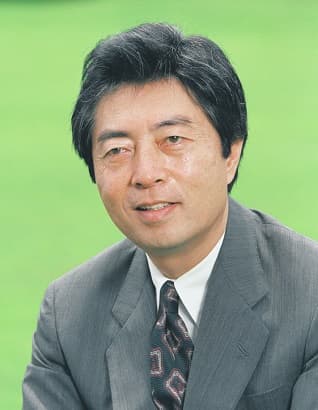
Morihiro Hosokawa
Morihiro Hosokawa is a Japanese politician who served as Prime Minister of Japan from 1993 to 1994, leading the first non-Liberal Democratic Party (LDP) coalition government since 1955. He is also known for initiating electoral reforms and making unprecedented apologies concerning Japan's actions in World War II. Since retiring from politics, Hosokawa has pursued a career as a potter and tea master.
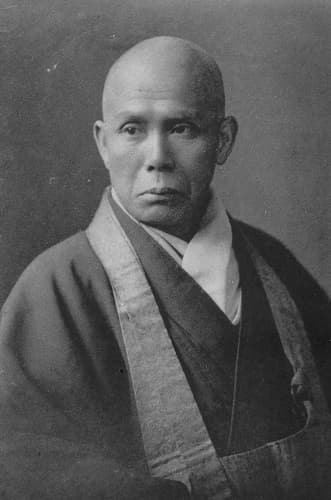
Soyen Shaku
Soyen Shaku was the first Zen Buddhist master to teach in the United States, belonging to the Rinzai school. He served as abbot of prominent temples in Kamakura, Japan, and played a significant role in introducing Zen Buddhism to a Western audience through his participation in the World Parliament of Religions and subsequent lectures in America. His teachings emphasized equanimity and the overcoming of inner demons, influencing figures like D. T. Suzuki.
Kanishka the Great
Kanishka the Great was a powerful emperor of the Kushan dynasty who reigned from approximately 127 to 150 CE. His reign marked the zenith of the Kushan Empire, which stretched from Central Asia to the Gangetic plain. Kanishka is renowned for his military prowess, administrative reforms, and significant patronage of Buddhism, which played a crucial role in the transmission of Mahayana Buddhism to China.