
Kanshi Ram
India·Bahujan Samaj Party·Male·20th century
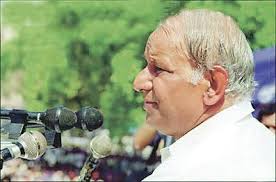
Kanshi Ram was an influential Indian politician and social reformer, renowned for his work in mobilizing and uplifting the Bahujans, comprising India's lower castes and untouchable groups. He founded key organizations like the Dalit Shoshit Samaj Sangharsh Samiti (DS-4), BAMCEF, and the Bahujan Samaj Party (BSP), creating a political platform for marginalized communities. His efforts significantly impacted India's political landscape, particularly in Uttar Pradesh.
Key Facts
- ›Founded the Bahujan Samaj Party (BSP) in 1984 to politically mobilize lower castes.
- ›Established the Dalit Shoshit Samaj Sangharsh Samiti (DS-4) and BAMCEF to advocate for backward communities.
- ›Inspired by the philosophy and work of B. R. Ambedkar.
- ›Authored the book 'the Chamcha Age' critiquing Dalit leaders perceived as stooges of upper castes.
- ›Served as a Member of Parliament in the 11th Lok Sabha.
- ›Ceded leadership of the BSP to his protégé Mayawati in 2003.
Important Relationships
- Mayawati
the Chamcha Age, Birth of Bamcef
Uttar Pradesh, New Delhi, Pirthipur Bunga Village, Ropar District
B. R. Ambedkar, Jyotirao Phule, Periyar
English
About Kanshi Ram
Kanshi Ram (1934–2006), also known as Bahujan Nayak or Manyavar, Sahab Kanshiram, was a pivotal Indian politician and social reformer. He dedicated his life to the upliftment and political empowerment of the Bahujans, a term encompassing India's backward and lower castes, including the historically marginalized untouchable groups.
Early Life and Activism
Born into a Ramdasia Sikh family in Punjab, Kanshi Ram initially experienced less caste discrimination due to his family's religious background. However, after joining the offices of the Explosive Research and Development Laboratory in Pune, he encountered caste discrimination firsthand. This experience, coupled with his reading of B. R. Ambedkar's 'Annihilation of Caste,' profoundly influenced him, leading him to become an activist in 1964.
Founding Organizations and Political Mobilization
Kanshi Ram's activism led to the founding of several crucial organizations. In 1971, he established the All India SC, ST, OBC and Minority Employees Association, which evolved into the All India Backwards (SC/ST/OBC) and Minorities Communities Employees' Federation (BAMCEF) in 1978. This organization aimed to unite educated members of marginalized communities around Ambedkarite principles. Later, in 1981, he formed the Dalit Shoshit Samaj Sangharsh Samiti (DS-4), a precursor to his most significant political venture.
In 1984, Kanshi Ram founded the Bahujan Samaj Party (BSP), a political party dedicated to representing the interests of the Bahujans. The BSP later found considerable success in Uttar Pradesh, bridging the divide between Dalits and Other Backward Classes, largely under the leadership of his protégé, Mayawati, who would go on to serve multiple terms as Chief Minister.
Key Works and Philosophy
Kanshi Ram's notable written work includes 'The Chamcha Age' (1982), where he critiqued Dalit leaders he believed were subservient to upper-caste political parties. He argued for the need for Dalits to work politically for their own independent ends. His philosophy was deeply rooted in the principles of social justice and equality championed by B. R. Ambedkar, Jyotirao Phule, and Periyar.
Political Career and Legacy
Kanshi Ram contested several elections, including a notable performance in Allahabad in 1988. He represented the 11th Lok Sabha from Hoshiarpur and was also elected from Etawah. Following the demolition of the Babri Masjid, he formed a significant alliance with Mulayam Singh Yadav to counter communal forces. In 2001, he designated Mayawati as his successor, ensuring the continuation of the BSP's mission. Kanshi Ram's life was marked by struggles with diabetes and other health issues, culminating in his death in New Delhi in 2006. His funeral rites were conducted according to Buddhist traditions. His legacy endures through numerous government programs, institutions named in his honor, and his lasting impact on Indian politics and the Dalit rights movement.
Source: Wikipedia ↗
Frequently Asked Questions
Who was Kanshi Ram and what was his primary goal?
Kanshi Ram was an Indian politician and social reformer. His primary goal was the upliftment and political mobilization of the Bahujans, which included backward and lower caste people, as well as untouchable groups in India.
What organizations did Kanshi Ram found?
Kanshi Ram founded the Dalit Shoshit Samaj Sangharsh Samiti (DS-4) and the All India Backwards (SC/ST/OBC) and Minorities Communities Employees' Federation (BAMCEF) in 1971. In 1984, he established the Bahujan Samaj Party (BSP).
What was the significance of Kanshi Ram's book, 'The Chamcha Age'?
In 'The Chamcha Age,' published in 1982, Kanshi Ram used the term 'chamcha' (stooge) to criticize Dalit leaders he believed worked for parties like the Indian National Congress and Bharatiya Janata Party for selfish reasons. He argued that such leaders undermined the autonomy and authority of Dalits.
What was Kanshi Ram's connection to B. R. Ambedkar?
Kanshi Ram was strongly inspired by B. R. Ambedkar and his philosophy. He was spurred to activism after reading Ambedkar's 'Annihilation of Caste' and witnessing caste discrimination.
When did Kanshi Ram die and what were his final wishes?
Kanshi Ram died in New Delhi on October 9, 2006, at the age of 72 due to a severe heart attack. According to his wishes, his funeral rites were performed according to Buddhist tradition.
What was Kanshi Ram's proposed conversion to Buddhism?
In 2002, Kanshi Ram announced his intention to convert to Buddhism on October 14, 2006, with the aim of bringing millions of his supporters along. He and his successor Mayawati later decided to postpone the conversion until the BSP achieved absolute majority government power.
Related Buddhists
Pannya Jota Mahathera
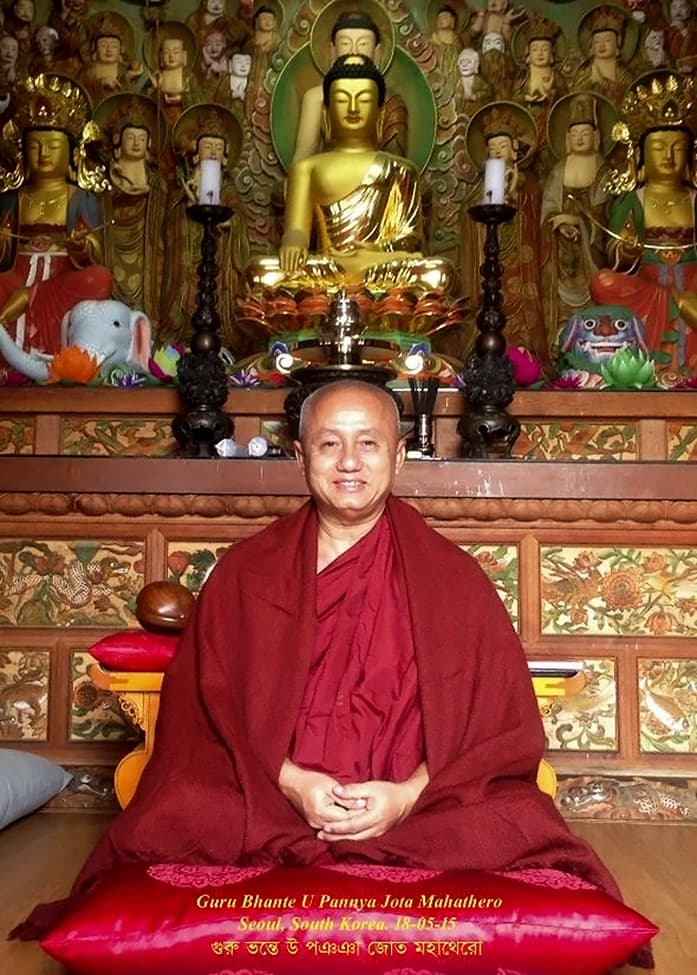
Ven. U Pannya Jota Mahathera was a Bangladeshi Theravada Buddhist monk and scholar, locally known as Guru Bhante. Before his ordination, he served as a judge and magistrate for the government of Bangladesh. He is recognized for his work as a social reformer, promoting a scientific understanding of Buddhism, and for establishing numerous temples both within and outside of Bangladesh.
Phoolan Devi
Phoolan Devi, popularly known as the Bandit Queen, was an Indian dacoit who transformed into a politician and served as a member of parliament. She rose from poverty and caste oppression to become a symbol of resistance for marginalized communities, often portrayed as a Robin Hood figure. Her life was marked by violence, imprisonment, and eventual political career, culminating in her assassination.
Preah Maha Ghosananda
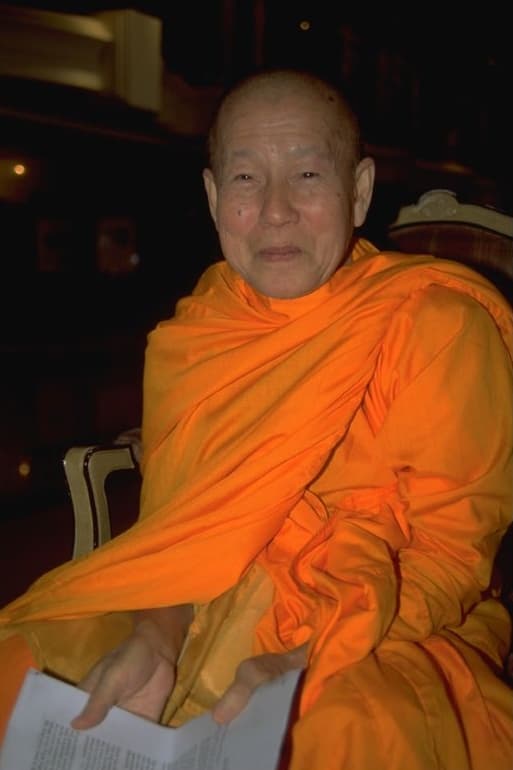
Preah Maha Ghosananda was a highly revered Cambodian Buddhist monk in the Theravada tradition, recognized as the Patriarch of Cambodian Buddhism during tumultuous periods. He is best known for his annual peace marches, known as Dhammayietra, aimed at restoring hope and spirit to the Cambodian people. His work extended to refugee camps and post-conflict restoration, earning him international recognition and nominations for the Nobel Peace Prize.