
Jñānagupta
Gandhara·Buddhism·Male·6th century
Jñānagupta was a Buddhist monk from Gandhara who traveled to China during the Sui dynasty. He is credited with translating 39 scriptures into Chinese, totaling 192 fascicles, and is recognized for his contributions to the dissemination of Buddhist texts in East Asia.
Key Facts
- ›Buddhist monk from Gandhara.
- ›Traveled to China during the Sui dynasty.
- ›Recognized and supported by Emperor Wen of Sui.
- ›Brought 260 Sanskrit sutras to China.
- ›Translated 39 scriptures into Chinese.
- ›Translations spanned from 561 to 592 CE.
Important Relationships
- Emperor Wen of Sui
Sutra of Buddha's Fundamental Deeds, Candrottaradarikapariprccha
China, Gandhara
Sanskrit, Chinese
Monk
About Jñānagupta
Jñānagupta was a Buddhist monk who hailed from the region of Gandhara. He is historically significant for his travels to China, where he played a crucial role in the transmission and translation of Buddhist scriptures during the Sui dynasty.
Life and Contributions
Arriving in China, Jñānagupta received recognition and support from Emperor Wen of the Sui dynasty. He is said to have brought with him a collection of 260 sutras written in Sanskrit. His primary contribution was the translation of these sacred texts into Chinese. Throughout the period spanning from 561 to 592 CE, Jñānagupta successfully translated a total of 39 scriptures, which amounted to 192 fascicles.
Among the notable works attributed to his translation efforts are the "Sutra of Buddha's Fundamental Deeds" (Fó Běnháng Jīng), a substantial work comprising 60 fascicles, and the "Candrottaradarikapariprccha" (Yuè Shàng Nǚ Jīng), consisting of 2 fascicles. His diligent work facilitated the wider accessibility of Buddhist teachings to the Chinese populace.
Source: Wikipedia ↗
Frequently Asked Questions
Who was Jñānagupta?
Jñānagupta was a Buddhist monk originating from Gandhara. He is known for his significant journey to China, where he contributed to the translation of Buddhist scriptures.
What was Jñānagupta's role in China?
Upon arriving in China, Jñānagupta was recognized by Emperor Wen of the Sui dynasty. He was supported by the emperor in his work of translating Sanskrit Buddhist texts into Chinese.
How many scriptures did Jñānagupta translate?
Jñānagupta translated a total of 39 scriptures during his time in China. These translations comprised 192 fascicles and were completed between the years 561 and 592.
What notable works are attributed to Jñānagupta?
Among his translated works are the Sutra of Buddha's Fundamental Deeds (Fó Běnháng Jīng) in 60 fascicles and the Candrottaradarikapariprccha (Yuè Shàng Nǚ Jīng) in 2 fascicles.
Related Buddhists
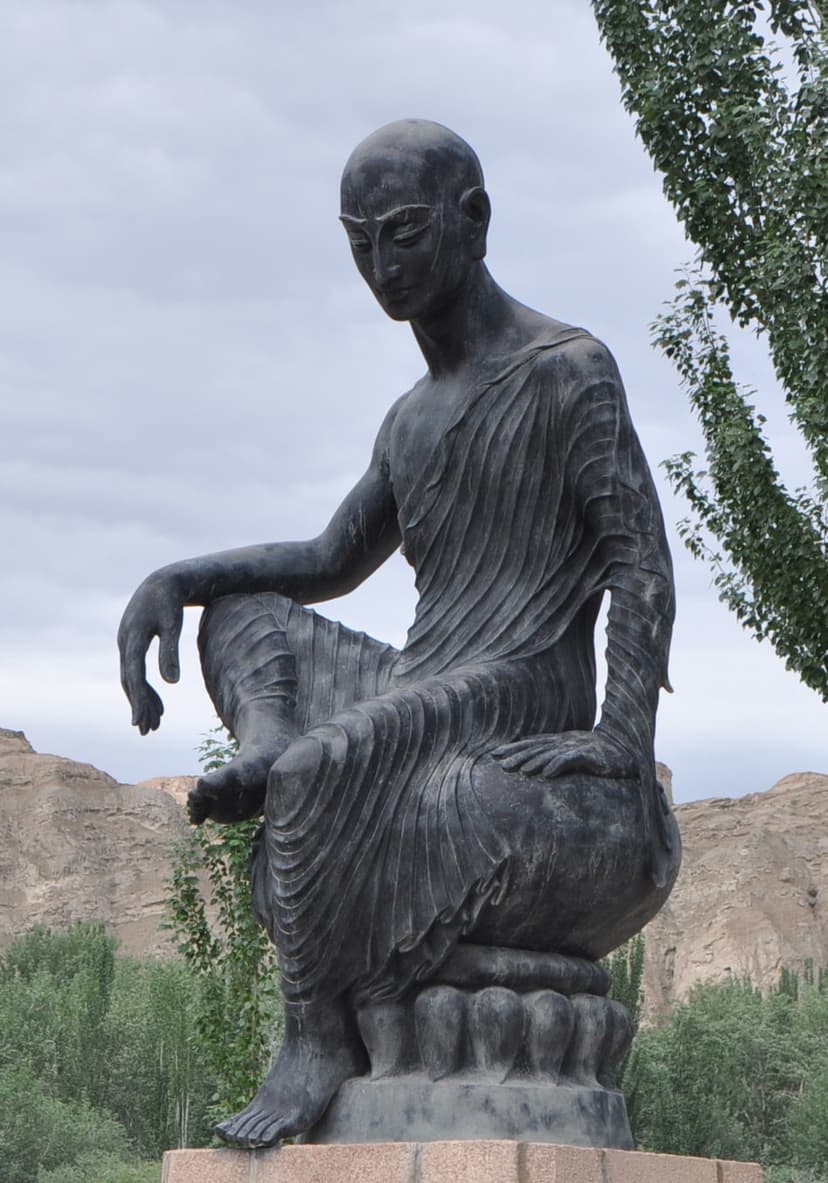
Kumārajīva
Kumārajīva was a pivotal 4th and 5th-century Buddhist monk, scholar, missionary, and translator from Kucha, known for his highly influential translations of Sanskrit Buddhist texts into Chinese. He is credited with introducing the Madhyamaka philosophy to China and his clear, meaning-focused translation style revolutionized Chinese Buddhism, with his renderings remaining in widespread use today.
Sanghapala
Sanghapala (466–524 CE) was a prominent Khmer monk from Funan, known for his significant contributions to the translation of Buddhist scriptures into Chinese. He is recognized as one of the few Cambodian monks whose translated works are included in the Chinese Tripitaka, particularly his canonical rendering of the Vimuttimagga, or Path to Freedom.
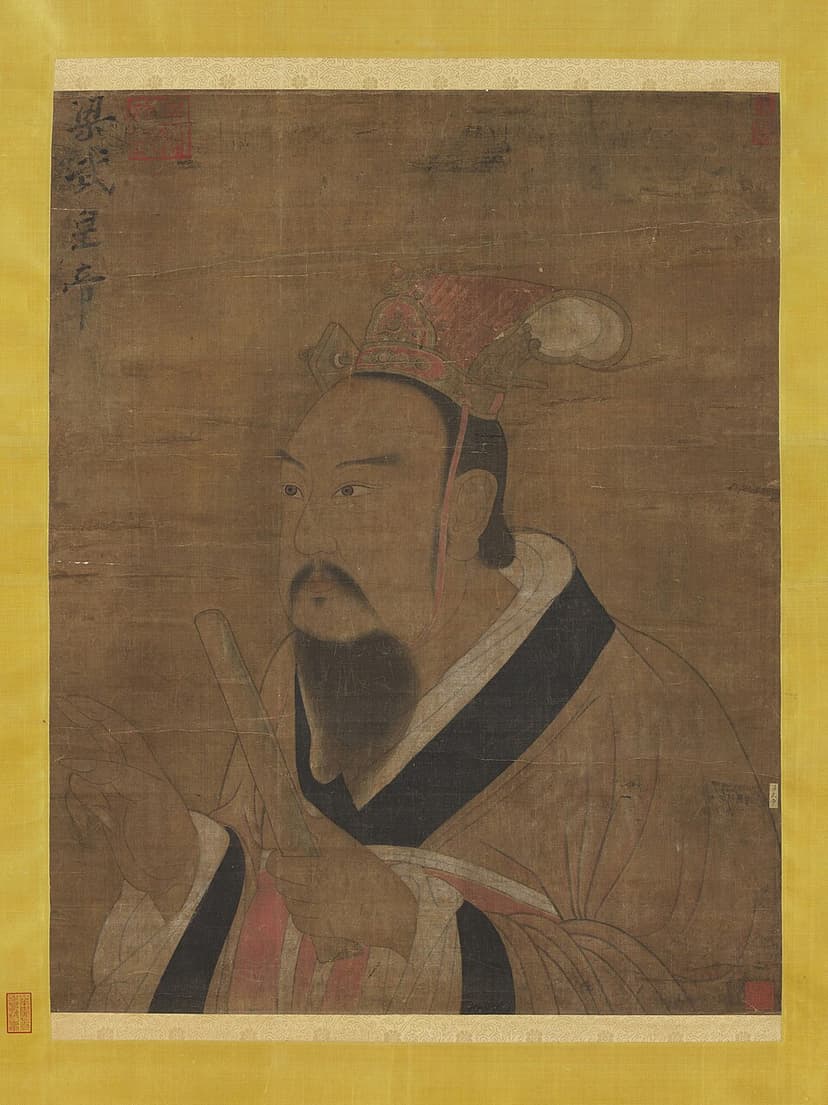
Emperor Wu of Liang
Emperor Wu of Liang, born Xiao Yan, was the founder of the Liang dynasty during China's Northern and Southern dynasties period. His reign, initially marked by stability and prosperity, saw him champion Confucian civil service exams and patronize the arts. He also embraced Buddhism, banning animal sacrifices and earning the nickname "The Bodhisattva Emperor."