
Emperor Wu of Liang
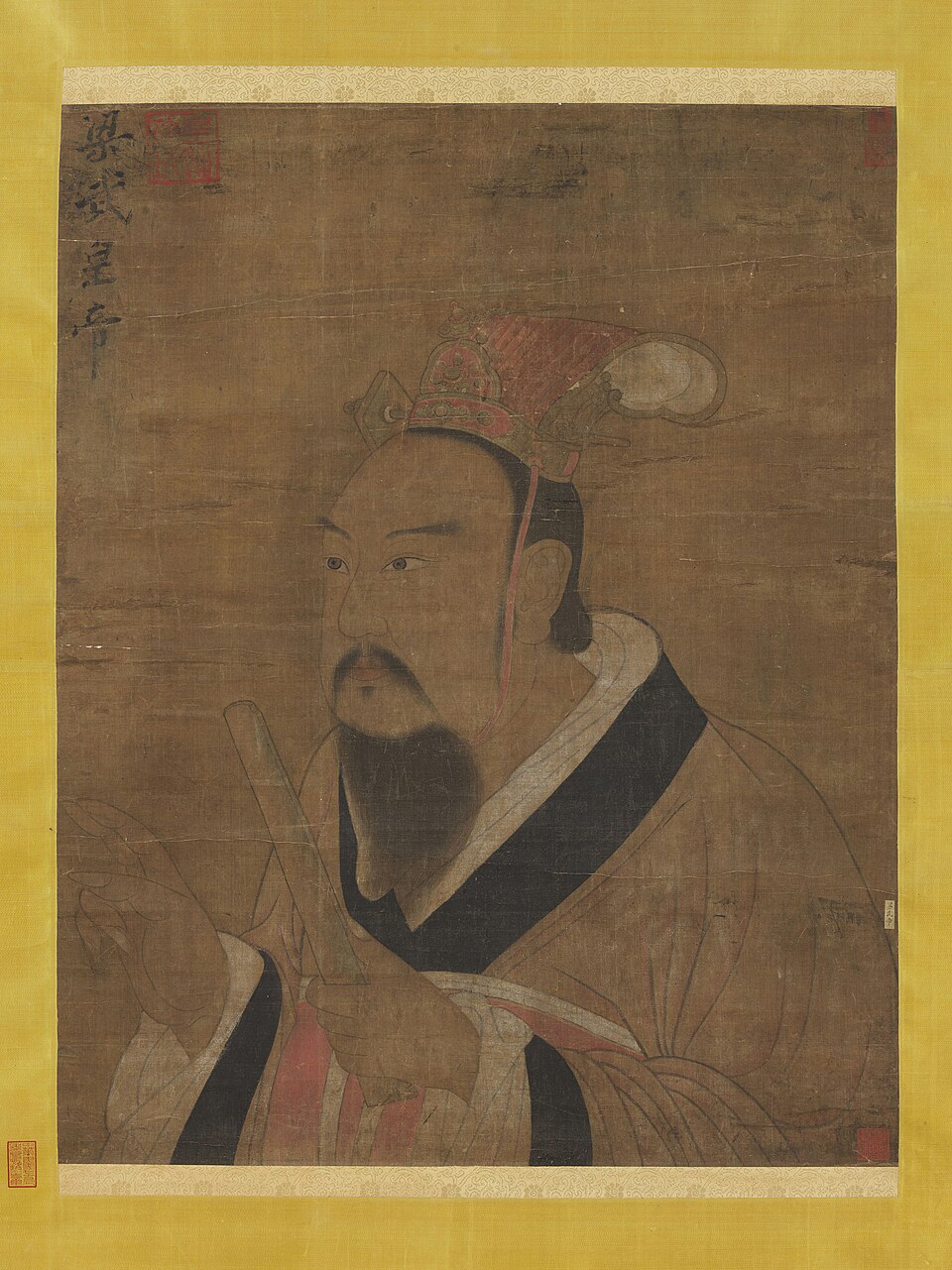
Emperor Wu of Liang, born Xiao Yan, was the founder of the Liang dynasty during China's Northern and Southern dynasties period. His reign, initially marked by stability and prosperity, saw him champion Confucian civil service exams and patronize the arts. He also embraced Buddhism, banning animal sacrifices and earning the nickname "The Bodhisattva Emperor."
Key Facts
- ›Founded the Liang dynasty in 502 CE.
- ›Promoted Confucianism by extending CIVIL service exams and demanding noble sons study.
- ›Became a devout Buddhist, banned animal sacrifices, and received Buddhist precepts.
- ›Authored or inspired significant Buddhist texts, including the "Emperor Liang Jeweled Repentance."
- ›His reign was largely stable and prosperous, especially in its earlier years.
- ›His later leniency towards corruption contributed to the downfall during Hou Jing's rebellion.
Important Relationships
- Hou Jing (general)
Emperor Liang Jeweled Repentance
Jiankang
Buddhism, Confucianism
Chinese
Buddhist Precepts
About Emperor Wu of Liang
Emperor Wu of Liang, born Xiao Yan (464–549 CE), was the founding emperor of the Liang dynasty during China's tumultuous Northern and Southern dynasties period. His reign, which lasted for nearly half a century, is noted for its initial stability and prosperity, making it a significant period among the Southern dynasties.
Life and Historical Context
Xiao Yan hailed from the influential Xiao clan of Lanling, which had previously held power in the Southern Qi dynasty. He began his career as an official and general within the Southern Qi government. Following a period of civil war and political upheaval, Xiao Yan seized the throne in 502 CE, establishing the Liang dynasty. His early reign was characterized by diligent governance and efforts to foster a more open political environment. He was known for his intelligence and early aptitude in literary arts, associating with prominent scholars and officials.
Governance and Cultural Contributions
Emperor Wu of Liang implemented significant administrative and cultural reforms. He established universities and expanded the civil service examination system, emphasizing the importance of education for the nobility. A well-read individual himself, he penned poetry and was a dedicated patron of the arts. While his governmental affairs were often guided by Confucian principles, he also developed a deep embrace of Buddhism.
Religious Patronage and Transformation
Emperor Wu's adoption of Buddhism marked a notable shift in his reign. He banned the practice of animal sacrifice and showed opposition to capital punishment. He is said to have received Buddhist precepts, earning him the popular moniker "The Bodhisattva Emperor." His patronage extended to Buddhist texts, and he is the namesake of the "Emperor Liang Jeweled Repentance" (Liang Huang Bao Chan), a major Buddhist scripture influential in China and Korea.
Decline and Legacy
Despite the initial prosperity, Emperor Wu's later reign was marred by his leniency towards corruption within his family and among officials, which ultimately weakened the state. This, combined with a lack of dedication to state affairs, created a critical vulnerability. The rebellion of general Hou Jing in the final years of his reign led to the capture of the imperial capital, Jiankang, and plunged the Liang state into anarchy. Emperor Wu himself died in captivity, reportedly from hunger and thirst. His reign, while initially a period of stability and cultural flourishing, serves as a cautionary tale about the consequences of unchecked corruption and political decline.
Source: Wikipedia ↗
Frequently Asked Questions
What was Emperor Wu of Liang's personal name?
Emperor Wu of Liang's personal name was Xiao Yan. He also had a courtesy name, Shuda, and a childhood name, Lian'er.
When did Emperor Wu of Liang reign?
Emperor Wu of Liang reigned from 502 CE until his death in 549 CE. His reign was part of the Northern and Southern dynasties period in China.
What was Emperor Wu of Liang known for regarding Buddhism?
Emperor Wu of Liang became a devout Buddhist, banning animal sacrifices and receiving Buddhist precepts. This devotion earned him the nickname 'The Bodhisattva Emperor'.
What is the 'Emperor Liang Jeweled Repentance'?
The 'Emperor Liang Jeweled Repentance' is a major Buddhist text widely read in China and Korea. It is named after Emperor Wu of Liang, suggesting his involvement in its creation or patronage.
How did Emperor Wu of Liang's reign end?
Emperor Wu's reign ended tragically due to the rebellion of his general Hou Jing. His leniency towards corruption and neglect of state affairs led to a lack of support during the rebellion, and he died while imprisoned.
Related Buddhists

Gyaincain Norbu
Gyaincain Norbu, also known as Chökyi Gyalpo, is recognized by the People's Republic of China as the 11th Panchen Lama. He also serves as the vice president of the Buddhist Association of China. His position is disputed by the Tibetan government in exile, which recognizes Gedhun Choekyi Nyima, a choice made by the 14th Dalai Lama.
Damba Ayusheev
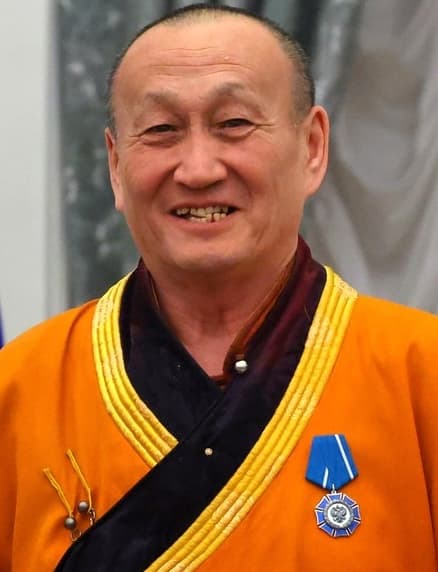
Damba Ayusheev is the 24th and current Pandito Khambo Lama, serving as the head of the Buddhist Traditional Sangha of Russia. Born in the Soviet Union, he rose through the ranks of Buddhist academia and monastic life before being elected to lead the Sangha. He is known for his support of traditional values, his pronouncements on contemporary geopolitical events, and his leadership in religious and interfaith councils.
Ashoka
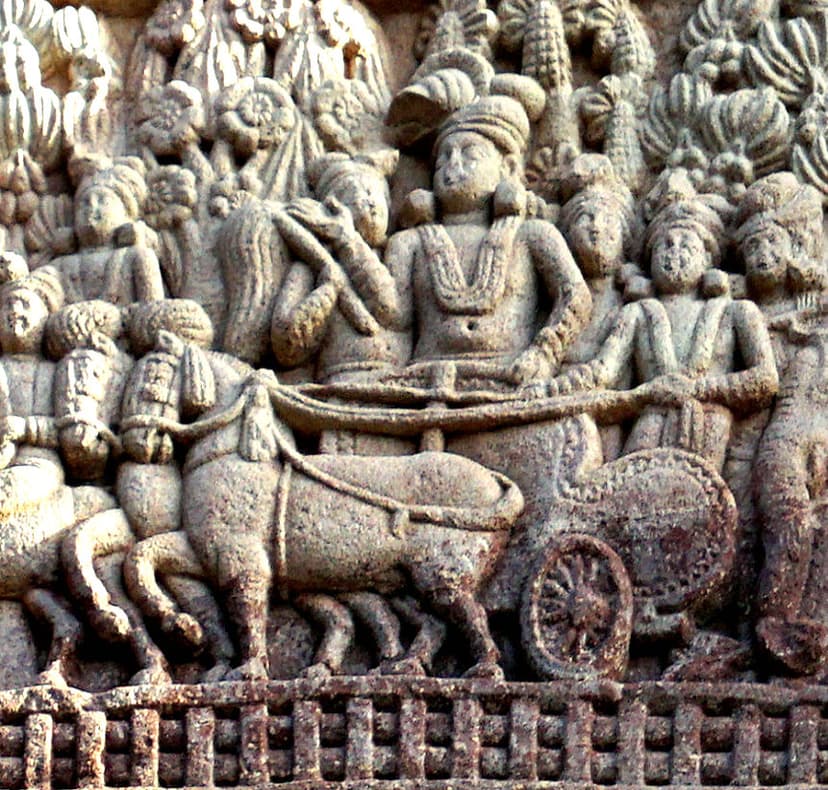
Ashoka the Great was a powerful Emperor of Magadha from the Mauryan dynasty who reigned in the 3rd century BCE. He is renowned for his pivotal role in the spread of Buddhism across Asia after a brutal war of conquest led him to embrace the principles of dhamma, or righteous conduct. His reign saw the establishment of numerous stupas, patronage of the Third Buddhist Council, and support for Buddhist missionaries, solidifying his legacy as a significant figure in Buddhist history and a symbol of modern India.