
Gyaincain Norbu
Gyaincain Norbu, also known as Chökyi Gyalpo, is recognized by the People's Republic of China as the 11th Panchen Lama. He also serves as the vice president of the Buddhist Association of China. His position is disputed by the Tibetan government in exile, which recognizes Gedhun Choekyi Nyima, a choice made by the 14th Dalai Lama.
Key Facts
- ›Recognized as the 11th Panchen Lama by the People's Republic of China.
- ›Born on February 13, 1990, in Lhari County, Tibet Autonomous Region.
- ›His religious name is Jêzün Lobsang Qamba Lhünzhub Qögyi'gyäbo Bäsangbo, commonly known as Qoigyijabu.
- ›Vice president of the Buddhist Association of China.
- ›His selection in 1995 by the Chinese government using the Golden Urn is disputed by the Tibetan government in exile.
- ›He is bilingual in Tibetan and Chinese and has studied Tibetan Buddhism.

Important Relationships
- 14th Dalai Lama
- Gedhun Choekyi Nyima
- Chadrel Rinpoche
- Sengchen Lobsang Gyaltsen
- Qianlong Emperor
- George Yeo
Tibet Autonomous Region, Lhari County, Tashilhunpo Monastery, Beijing, Shigatse
Tibetan, Chinese
Living, Disputed Figure
About Gyaincain Norbu
Gyaincain Norbu, also known by his religious name Chökyi Gyalpo, is recognized by the People's Republic of China as the 11th Panchen Lama. Born on February 13, 1990, in Lhari County, Tibet Autonomous Region, his selection in 1995 by the Chinese government is a significant point of contention, as the 14th Dalai Lama had previously recognized Gedhun Choekyi Nyima for the same role.
Life and Recognition
Gyaincain Norbu's secular name is Gyaincain Norbu, and his religious name is Jêzün Lobsang Qamba Lhünzhub Qögyi'gyäbo Bäsangbo, often shortened to Qoigyijabu. He spent his early childhood in Beijing and later traveled to Tashilhunpo Monastery in Shigatse for his enthronement. He is educated in Tibetan Buddhism, Tibetan language, sutra, and logic, and is fluent in both Tibetan and Chinese. He has made public appearances, including delivering a speech at the 2008 World Buddhist Forum and visiting earthquake and mudslide-affected regions to offer prayers and donations.
Political and Religious Context
His position as Panchen Lama is managed by the Chinese government, and he also serves as the vice president of the Buddhist Association of China. Critics view his appointment as a proxy of the Chinese government. His selection process, which involved drawing lots from a Golden Urn, a tradition introduced in 1792, is specifically rejected by the Tibetan government in exile. This parallel recognition process has created a deeply divided understanding of who holds the legitimate authority as the 11th Panchen Lama.
Source: Wikipedia ↗
Frequently Asked Questions
Who is Gyaincain Norbu?
Gyaincain Norbu is recognized by the People's Republic of China as the 11th Panchen Lama. He was born in 1990 and also holds the position of vice president of the Buddhist Association of China.
Why is his position as Panchen Lama disputed?
His position is disputed because the 14th Dalai Lama recognized Gedhun Choekyi Nyima as the 11th Panchen Lama. The Chinese government selected Gyaincain Norbu through a process involving the Golden Urn, which is not accepted by the Tibetan government in exile.
When and where was Gyaincain Norbu born?
Gyaincain Norbu was born on February 13, 1990, in Lhari County, located in the northern Tibet Autonomous Region.
What is Gyaincain Norbu's religious name?
His full religious name is Jêzün Lobsang Qamba Lhünzhub Qögyi'gyäbo Bäsangbo. He is generally referred to by the shorter name Qoigyijabu, meaning 'Dharma king'.
What is his role in the Buddhist Association of China?
Gyaincain Norbu serves as the vice president of the Buddhist Association of China, an organization managed by a department of the Chinese Communist Party.
Has Gyaincain Norbu made public statements on political matters?
Yes, he delivered a speech on Buddhism and national unity at the 2008 World Buddhist Forum and has denounced activities aimed at splitting the country and undermining ethnic unity.
Related Buddhists

Doboom Tulku
Lama Doboom Tulku Rinpoche was a Tibetan Buddhist scholar, writer, and spiritual leader. He held significant roles including Director of Tibet House in New Delhi and Founder of the World Buddhist Culture Trust. Known for his extensive writings and his role in organizing cultural and interfaith events, he was a prominent figure in promoting Tibetan culture and Buddhist philosophy.
Emperor Wu of Liang
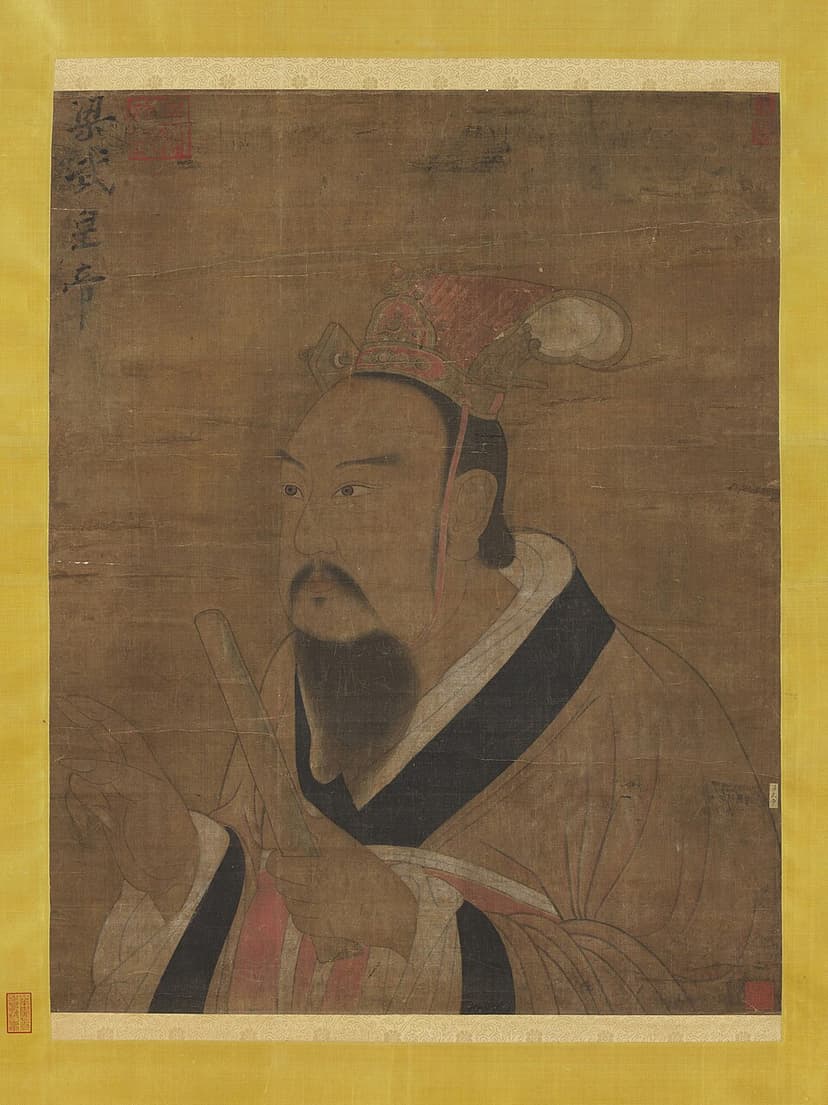
Emperor Wu of Liang, born Xiao Yan, was the founder of the Liang dynasty during China's Northern and Southern dynasties period. His reign, initially marked by stability and prosperity, saw him champion Confucian civil service exams and patronize the arts. He also embraced Buddhism, banning animal sacrifices and earning the nickname "The Bodhisattva Emperor."
Damba Ayusheev
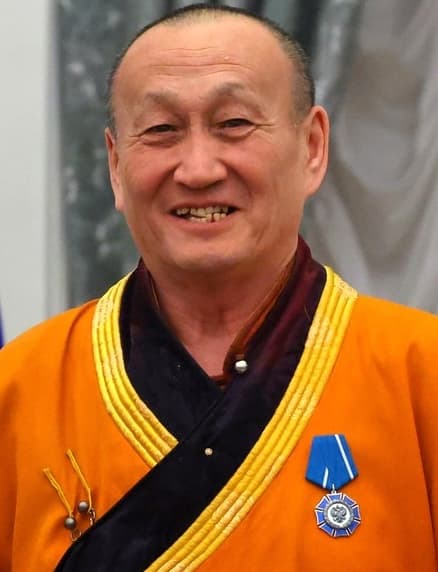
Damba Ayusheev is the 24th and current Pandito Khambo Lama, serving as the head of the Buddhist Traditional Sangha of Russia. Born in the Soviet Union, he rose through the ranks of Buddhist academia and monastic life before being elected to lead the Sangha. He is known for his support of traditional values, his pronouncements on contemporary geopolitical events, and his leadership in religious and interfaith councils.