
Doboom Tulku
Lama Doboom Tulku Rinpoche was a Tibetan Buddhist scholar, writer, and spiritual leader. He held significant roles including Director of Tibet House in New Delhi and Founder of the World Buddhist Culture Trust. Known for his extensive writings and his role in organizing cultural and interfaith events, he was a prominent figure in promoting Tibetan culture and Buddhist philosophy.
Key Facts
- ›Born in the Kham region of Tibet in 1942, recognized as a reincarnation at age two.
- ›Studied at Drepung Monastery and later at the Central Institute of Higher Tibetan Studies in India.
- ›Served as Director of Tibet House, New Delhi, from 1981 to 2011.
- ›Founded the World Buddhist Culture Trust in 1996.
- ›Organized the World Festival of Sacred Music, bringing together diverse artists and traditions.
- ›Authored several books on Buddhist philosophy, spirituality, and personal reflections.

Important Relationships
- Phurchog Jampa Rinpoche
- Dalai Lama
- Linnart Mäll
- R. Venkataraman
- Pandit Ravi Shankar
- Lord Yehudi Menuhin
- Prince Sadruddin Aga Khan
- Václav Havel
- Archbishop Desmond Tutu
- Swami Chidananda Saraswati
- Madame Danielle Mitterand
- E. Gene Smith
- Krishnanath
- Ramachandra Gandhi
- Marina Abramovic
- Taken Away: the Ordinary Life of A Lama
- Buddhist Translations: Problems and Perspectives
- the Buddhist Path To Enlightenment: Tibetan Buddhist Philosophy and Practice
- Pramana: Dharmakirti and the Indian Philosophical Debate
Kham Region, Tibet, Tashi Dhargye Monastery, Tehor, Kham, Drepung Monastery, Central Tibet, Buxa Duar, West Bengal, India, Varanasi, India, New Delhi, India, Dharamsala, India
Madhyamika Philosophy, Dharmakirti
Tibetan, English
Bhikkhu Ordination
About Doboom Tulku
Lama Doboom Tulku Rinpoche
Lama Doboom Tulku Rinpoche (1942–2024) was a prominent Tibetan Buddhist scholar, writer, and spiritual figure. Recognized at the age of two as the reincarnation of the previous Doboom Tulku, he received extensive training in Tibetan Buddhist philosophy and monastic traditions.
Early Life and Education
Born in the Kham region of Tibet, Doboom Tulku was identified by Phurchog Jampa Rinpoche and raised at Tashi Dhargye Monastery. His education included studies at Drepung Monastery and later at the Central Institute of Higher Tibetan Studies in Varanasi, India, where he specialized in Madhyamika philosophy and earned a Geshe Archarya degree. He received his bhikkhu ordination from the Dalai Lama in 1963.
Career and Contributions
Doboom Tulku Rinpoche dedicated much of his life to promoting Tibetan culture and Buddhist teachings. He served as the Director of Tibet House in New Delhi from 1981 to 2011, where he was instrumental in developing programs to showcase Tibetan heritage. He also founded and managed the World Buddhist Culture Trust from 1996 to 2023. In 1999, he conceived the World Festival of Sacred Music, a global event that brought together artists and musicians from diverse spiritual traditions.
Scholarly and Literary Work
As a scholar and creative writer, Doboom Tulku Rinpoche authored several books exploring Buddhist philosophy, spirituality, and his personal reflections on monastic life. His writings offer insights into mindfulness, compassion, and the path to enlightenment. He was also a regular columnist for the "Speaking Tree" section of the Times of India, contributing articles on themes of spirituality, non-violence, and compassion. His work aimed to foster understanding and unity across different cultures and belief systems.
Source: Wikipedia ↗
Frequently Asked Questions
When and where was Lama Doboom Tulku Rinpoche born?
Lama Doboom Tulku Rinpoche was born in 1942 in a nomadic settlement in the Kham region of Tibet.
What were some of Lama Doboom Tulku Rinpoche's key leadership roles?
He served as the Director of Tibet House in New Delhi from 1981 to 2011. He was also the Founder and Managing Trustee of the World Buddhist Culture Trust from 1996 to 2023.
What significant events did Lama Doboom Tulku Rinpoche organize?
He was instrumental in organizing the World Festival of Sacred Music, a global event that celebrated diverse musical and spiritual traditions. He also initiated monastic dialogue seminars to foster understanding between Tibetan and Indian academic systems.
What are some of Lama Doboom Tulku Rinpoche's notable written works?
His published works include 'Taken Away: The Ordinary Life of a Lama', 'Buddhist Translations: Problems and Perspectives', 'The Buddhist Path to Enlightenment: Tibetan Buddhist Philosophy and Practice', and 'Pramana: Dharmakirti and The Indian Philosophical Debate'.
What was Lama Doboom Tulku Rinpoche's educational background?
He studied Buddhist philosophy at Drepung Monastery and later at the Central Institute of Higher Tibetan Studies, where he earned a Geshe Archarya degree. He also received an honorary doctorate in Buddhist Studies from Mahachulalongkornrajavidyalaya University.
Related Buddhists
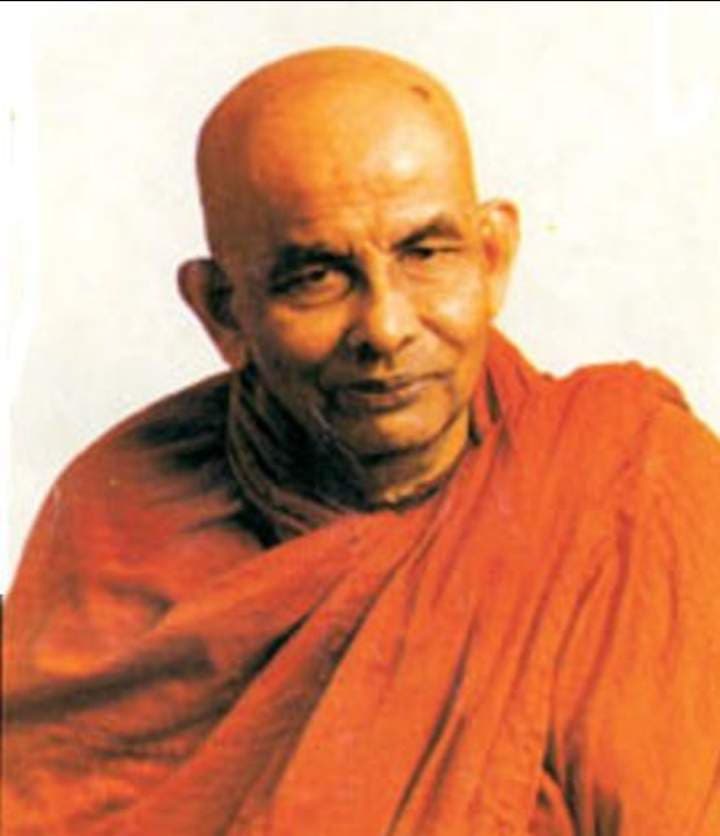
Madihe Pannaseeha Thero
Most Venerable Madihe Pannaseeha Mahathera was an eminent Sri Lankan Buddhist monk and the Mahanayaka (Great Chief) of the Amarapura sect from 1969 until his death in 2003. He was instrumental in uniting various branches of the Amarapura Nikaya and played a significant role in propagating Theravada Buddhism internationally. His work also extended to social services, youth development, and the temperance movement in Sri Lanka.
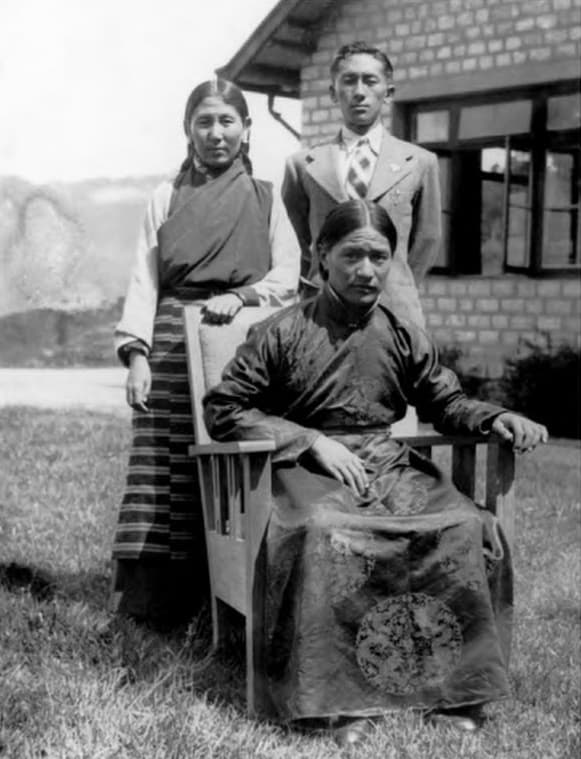
Dudjom Jigdral Yeshe Dorje
Kyabje Dudjom Rinpoche Jigdral Yeshe Dorje, known as Dudjom Rinpoche, was a highly revered master in the Nyingma school of Tibetan Buddhism. He was recognized as a reincarnation of previous tertons and Padmasambhava, and served as the first head of the Nyingma school in exile. Dudjom Rinpoche was a prolific author, scholar, yogi, and Vajrayana and Dzogchen master, instrumental in preserving and transmitting Tibetan Buddhist teachings to the West.
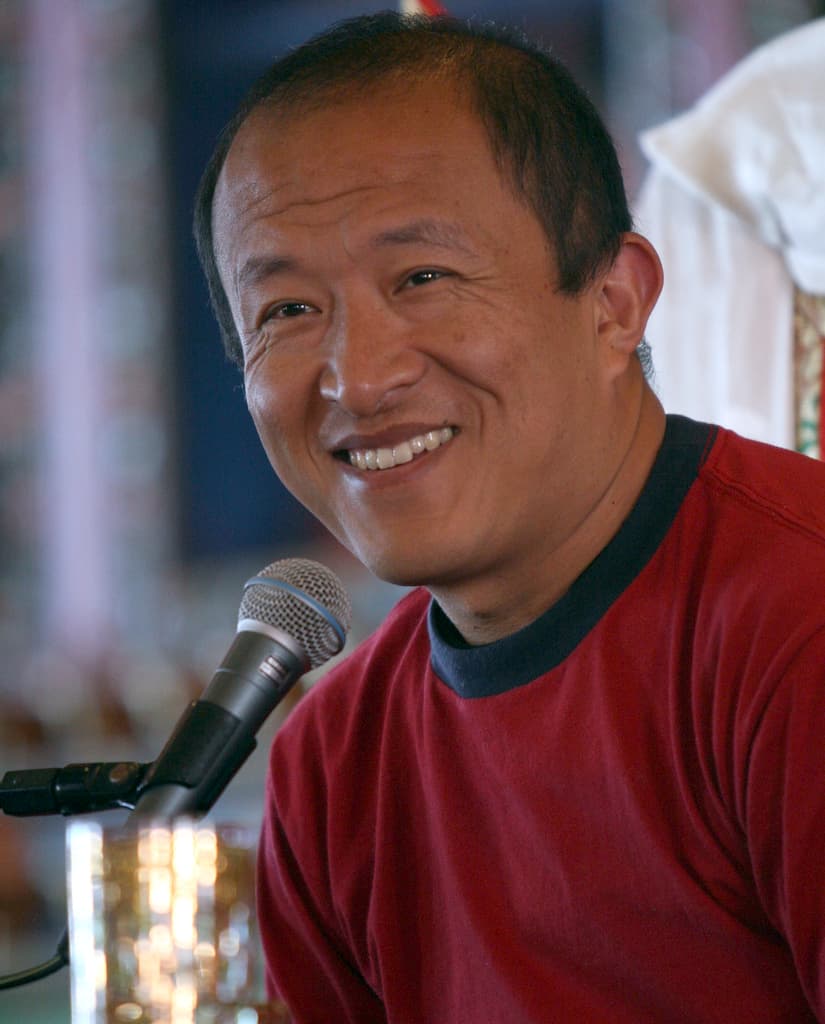
Dzongsar Jamyang Khyentse
Dzongsar Jamyang Khyentse Rinpoche, also known as Khyentse Norbu, is a distinguished Tibetan Lama, filmmaker, and writer born in Bhutan. He is recognized as the third incarnation of the founder of the Khyentse lineage and is a proponent of the non-sectarian Rimé movement. Rinpoche is renowned for his critically acclaimed films that explore Buddhist themes and for his extensive writings and teachings on Tibetan Buddhism.