
Dzongsar Jamyang Khyentse
Bhutan·Rimé (non-sectarian)·Male·20th century
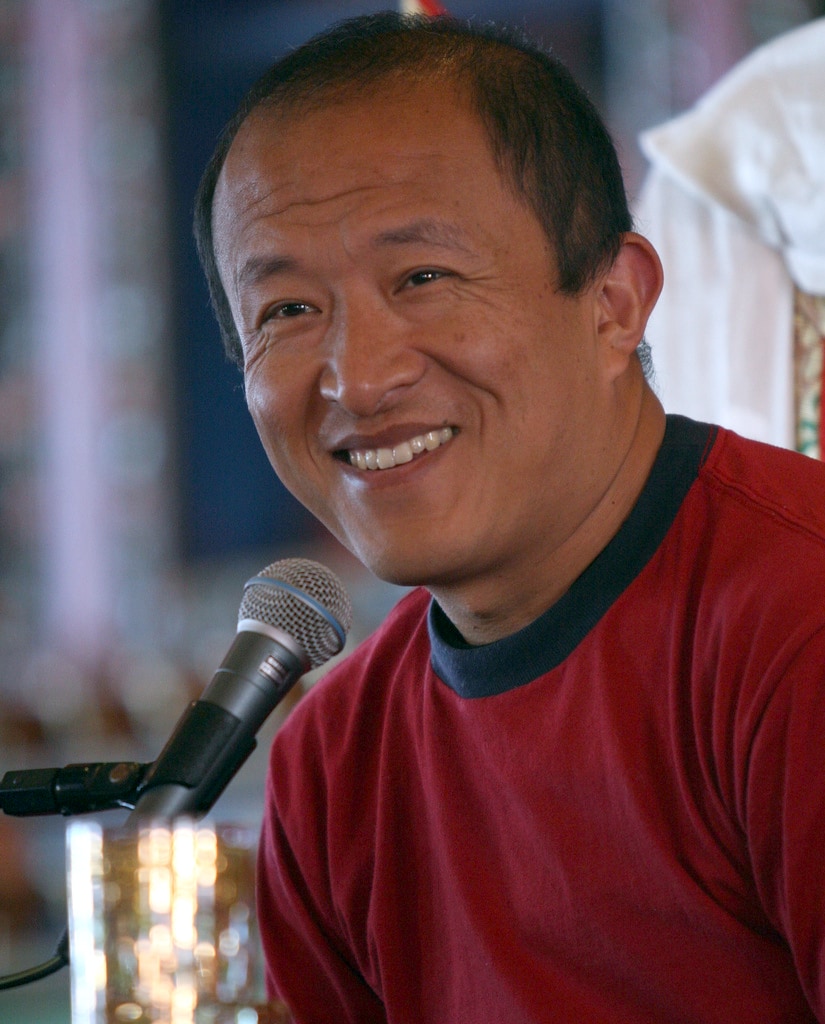
Dzongsar Jamyang Khyentse Rinpoche, also known as Khyentse Norbu, is a distinguished Tibetan Lama, filmmaker, and writer born in Bhutan. He is recognized as the third incarnation of the founder of the Khyentse lineage and is a proponent of the non-sectarian Rimé movement. Rinpoche is renowned for his critically acclaimed films that explore Buddhist themes and for his extensive writings and teachings on Tibetan Buddhism.
Key Facts
- ›Recognized as the third incarnation of Jamyang Khyentse Wangpo, founder of the Khyentse lineage.
- ›A filmmaker, he has directed award-winning films such as 'the Cup' and 'Travellers and Magicians'.
- ›Author of several published books including 'What Makes you not a Buddhist' and 'not for Happiness'.
- ›Follower and champion of the Rimé (non-sectarian) movement in Tibetan Buddhism.
- ›Founder of Siddhartha's Intent, an international Buddhist association, and the secular White Lotus Charitable Trust.
- ›Studied at SOAS, University of London, and has teachers from all four major schools of Tibetan Buddhism.
Important Relationships
- Thinley Norbu (father)
- Dudjom Jigdral Yeshe Dorje (grandfather)
- Sakya Trizin (recognizer of incarnation)
- the Cup
- Travellers and Magicians
- Vara: A Blessing
- Hema Hema: Sing Me A Song While I Wait
- Looking For A Lady With Fangs and A Moustache
- What Makes You Not A Buddhist
- Not For Happiness: A Guide To the So-Called Preliminary Practices
- the Guru Drinks Bourbon?
- Introduction To the Middle Way: Chandrakirti’S Madhyamaka With Commentary
- Buddha Nature: Mahayana-Uttaratantra-Shastra With Commentary
Dzongsar Monastery, Khenpajong, Bhutan, Bir, India, Chauntra, India, Sikkim, Rajpur, London
Dilgo Khyentse, Jamyang Khyentse Wangpo, Jamgon Kongtrul Lodro Thaye, Patrul Rinpoche
Tibetan, English
Teacher, Filmmaker, Author, Spiritual Leader
About Dzongsar Jamyang Khyentse
Dzongsar Jamyang Khyentse Rinpoche
Dzongsar Jamyang Khyentse Rinpoche, also known by the dharma name Khyentse Norbu, is a distinguished Tibetan Lama, acclaimed filmmaker, and prolific writer. Born in Bhutan on June 18, 1961, he holds a significant position within Tibetan Buddhism as the third recognized incarnation of the founder of the Khyentse lineage, Jamyang Khyentse Wangpo (1820–1892).
Spiritual Lineage and Education
Rinpoche's spiritual lineage is deeply rooted in the Rimé (non-sectarian) movement, a tradition he actively champions. This movement sought to synthesize the diverse teachings and practices of Tibetan Buddhism's four major schools: Nyingma, Kagyu, Sakya, and Gelug. He received teachings from masters across all these traditions, reflecting the lineage's inclusive approach. His education included studies at the Palace Monastery in Sikkim, Sakya College in India, and SOAS in London. He considers Dilgo Khyentse his main guru and is the primary custodian of Jamyang Khyentse Wangpo's teachings.
Filmmaking and Literary Contributions
As a filmmaker, Dzongsar Jamyang Khyentse Rinpoche has garnered international recognition for his cinematic works that explore Buddhist philosophy and the human condition. His directorial debut, 'The Cup' (1999), was lauded by The New York Times. He followed this with 'Travellers and Magicians' (2003), the first feature film made in Bhutan, and other notable films such as 'Vara: A Blessing' (2013) and 'Hema Hema: Sing Me a Song While I Wait' (2017). His literary output is equally substantial, with books like 'What Makes You Not a Buddhist' (2007) and 'Not for Happiness: A Guide to the So-Called Preliminary Practices' (2012) making Buddhist wisdom accessible to a wide audience. Many of his teachings are also disseminated through platforms like the Siddhartha's Intent YouTube channel.
Philanthropy and Global Initiatives
Beyond his spiritual and artistic endeavors, Rinpoche is deeply involved in charitable and educational work. He founded the secular White Lotus Charitable Trust to support underprivileged children and established Siddhartha's Intent in 1989, an international association dedicated to preserving and promoting Buddhist teachings worldwide. He also oversees traditional monastic seats and established new centers of learning in India, Bhutan, and other parts of the world, aiming to foster a deeper understanding of Buddhist wisdom traditions.
Source: Wikipedia ↗
Frequently Asked Questions
Who is Dzongsar Jamyang Khyentse Rinpoche?
Dzongsar Jamyang Khyentse Rinpoche, also known as Khyentse Norbu, is a Tibetan Lama, filmmaker, and writer born in Bhutan. He is recognized as an important spiritual figure and a significant contributor to contemporary Buddhist discourse and art.
What is Dzongsar Jamyang Khyentse Rinpoche known for?
He is known for his critically acclaimed films that often explore Buddhist themes, his extensive writings on Tibetan Buddhism, and his role as a spiritual teacher. He is also a champion of the Rimé movement, which advocates for a non-sectarian approach to Tibetan Buddhism.
What is Rinpoche's connection to the Khyentse lineage?
Dzongsar Jamyang Khyentse Rinpoche was recognized as the third incarnation of Jamyang Khyentse Wangpo, the founder of the Khyentse lineage of Tibetan Buddhism. This lineage emphasizes a non-sectarian approach and the integration of teachings from various schools.
What are some of his notable films?
His major films include 'The Cup' (1999), 'Travellers and Magicians' (2003), 'Vara: A Blessing' (2013), 'Hema Hema: Sing Me a Song While I Wait' (2017), and 'Looking for a Lady with Fangs and a Moustache' (2019). His film 'Travellers and Magicians' was the first feature film produced in Bhutan.
What books has Dzongsar Jamyang Khyentse Rinpoche written?
He has authored several published books such as 'What Makes You Not a Buddhist' (2007), 'Not for Happiness: A Guide to the So-Called Preliminary Practices' (2012), and 'The Guru Drinks Bourbon?' (2016). He has also written non-fiction works on Tibetan Buddhism.
What is the Rimé movement?
The Rimé movement, which Dzongsar Jamyang Khyentse Rinpoche champions, is a non-sectarian approach to Tibetan Buddhism. It seeks to identify and utilize the best methods from the various, often competing, schools of Tibetan Buddhism, fostering scholarship and diverse practice.
Related Buddhists

Doboom Tulku
Lama Doboom Tulku Rinpoche was a Tibetan Buddhist scholar, writer, and spiritual leader. He held significant roles including Director of Tibet House in New Delhi and Founder of the World Buddhist Culture Trust. Known for his extensive writings and his role in organizing cultural and interfaith events, he was a prominent figure in promoting Tibetan culture and Buddhist philosophy.
Dudjom Jigdral Yeshe Dorje
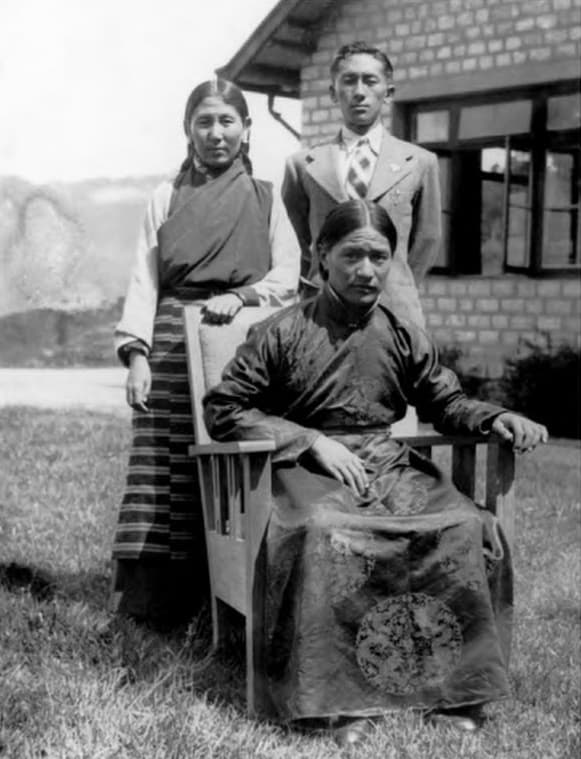
Kyabje Dudjom Rinpoche Jigdral Yeshe Dorje, known as Dudjom Rinpoche, was a highly revered master in the Nyingma school of Tibetan Buddhism. He was recognized as a reincarnation of previous tertons and Padmasambhava, and served as the first head of the Nyingma school in exile. Dudjom Rinpoche was a prolific author, scholar, yogi, and Vajrayana and Dzogchen master, instrumental in preserving and transmitting Tibetan Buddhist teachings to the West.
Jamyang Khyentse Wangpo
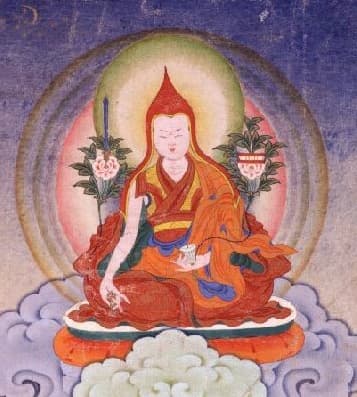
Jamyang Khyentse Wangpo (1820–1892) was a pivotal Tibetan Buddhist teacher, scholar, and tertön, most renowned for co-founding the Rimé movement. This movement aimed to preserve and revitalize the diverse lineages of Tibetan Buddhism, which were being marginalized by the dominant Gelug institutions. His efforts in collecting and disseminating rare teachings were crucial in safeguarding Buddhist traditions.