
Ji Gong
China·Chan (Zen)·Male·12th century
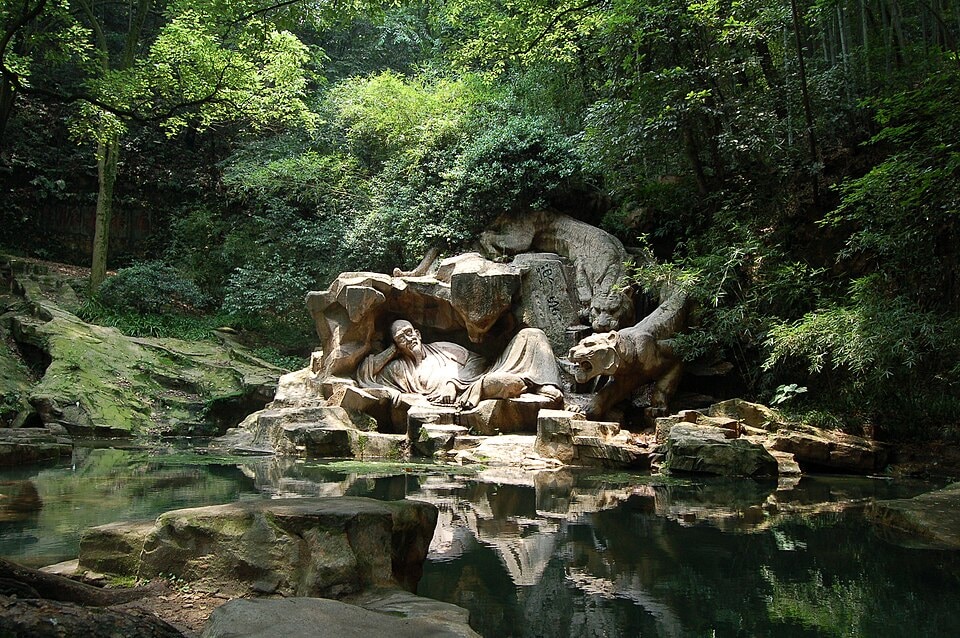
Ji Gong, born Li Xiuyuan, was a Chan Buddhist monk of the Southern Song dynasty, renowned for his purported supernatural abilities used to aid the poor and combat injustice. Despite his compassionate deeds, he defied monastic rules by consuming alcohol and meat, leading to his expulsion. By his death, he had become a legendary figure in Chinese culture and a deity in folk religion, revered as the incarnation of the Dragon Subduing Arhat.
Key Facts
- ›Born LI Xiuyuan in 1130 CE (or 1148 CE), later ordained as Daoji.
- ›Known for eccentric behavior, including consuming alcohol and meat, and not following monastic rules.
- ›Ordained at Lingyin Temple in Hangzhou, mentored by Vinaya master Huiyuan.
- ›Expelled from the monastery due to his unconventional conduct.
- ›Widely recognized as the incarnation of the Dragon Subduing Arhat (XIánglóng Luóhàn).
- ›Died on May 16, 1209, and later revered as a deity in Taoism and incorporated into Chinese Buddhism.
Important Relationships
- Huiyuan (mentor)
- Dragon Subduing Arhat (incarnation of)
Gong'An
Hangzhou, Lingyin Temple, Jingci Temple, Hupao Temple
Chinese
Monastic Vows
About Ji Gong
Ji Gong (Daoji)
Ji Gong, born Li Xiuyuan (1130–1209 CE), was a Chan Buddhist monk of the Southern Song dynasty in China, celebrated for his extraordinary compassion and purported supernatural abilities. Despite his defiance of traditional monastic rules, such as consuming alcohol and meat, he dedicated his life to aiding the poor and challenging injustice. His eccentric yet benevolent nature led many to believe he was an emanation of a bodhisattva or the reincarnation of an arhat, specifically the Dragon Subduing Arhat.
Life and Historical Context
Originally named Li Xiuyuan, Ji Gong was born to a former military advisor and his wife. After the death of his parents, he was ordained as a monk at Lingyin Temple in Hangzhou, where he was mentored by the Vinaya master Huiyuan and given the monastic name Daoji. However, Daoji's unconventional lifestyle—marked by his disregard for monastic codes, his preference for meat and wine, and his often disheveled appearance—led to his expulsion from the monastery. He then lived as a wandering monk, continuing to help people in need.
Spiritual Significance and Legacy
Ji Gong's reputation as a helper and fighter against injustice grew, and he was widely recognized as the incarnation of the Dragon Subduing Arhat. By the time of his death, he had become a legendary figure in Chinese culture. He is venerated as a deity in Chinese folk religion and has been incorporated into Chinese Buddhism. His stories appear in folktales and gong'an, and he is sometimes invoked by oracles. Later, mediums claimed to receive texts from Ji Gong through spirit writing, which further developed his worship and influenced the establishment of charitable organizations.
Depiction and Popular Culture
Ji Gong is typically depicted with a smiling face, clad in tattered monastic robes, and adorned with large bead necklaces. He is often shown holding a wine bottle and a fan, and sometimes wears a hat with the character 'Fo' (Buddha). His image has been extensively portrayed in Chinese literature, films, and television series since the mid-20th century, solidifying his status as a beloved cultural icon.
Source: Wikipedia ↗
Frequently Asked Questions
Who was Ji Gong and what was he known for?
Ji Gong, originally named Li Xiuyuan, was a Chan Buddhist monk of the Southern Song dynasty. He was known for his supernatural powers, which he used to help the poor and fight injustice, but also for his wild and eccentric behavior which included breaking monastic rules by consuming alcohol and meat.
What was Ji Gong's monastic name and why was he expelled from his temple?
His monastic name was Daoji, meaning 'Helper on the Way'. He was expelled from Lingyin Temple because his unconventional behavior, such as eating meat and drinking wine and his tattered appearance, greatly displeased the other monks who found him to be a nuisance.
What is Ji Gong's spiritual significance?
Ji Gong is widely recognized as the incarnation of the Dragon Subduing Arhat, one of the Eighteen Arhats. He is revered in Chinese folk religion as a deity and is also incorporated into Chinese Buddhism due to his compassionate actions.
When and where did Ji Gong live and die?
Ji Gong lived during the Southern Song dynasty, born in 1130 CE (or 1148 CE) and died on May 16, 1209. He was active in Hangzhou, where he was ordained and later passed away.
How is Ji Gong depicted?
Ji Gong is typically depicted smiling, wearing tattered monastic robes and oversized bead necklaces. He is often shown carrying a wine bottle in one hand and a fan in the other, with a hat bearing the character 'Fo' (Buddha).
Related Buddhists
Hatthaka of Alavi
Hatthaka of Ālavī, also known as Hastaka Āṭavaka, was a prominent lay male disciple of the Buddha, recognized for his ability to attract followers through the "four bases of sympathy." He achieved the state of an Anāgāmi, or Non-Returner, and was reborn in the Pure Abodes. Hatthaka is celebrated for his deep faith, virtue, and wisdom, and his efforts in propagating the Dharma.
Mandarava
Mandarava was a principal consort of the 8th-century Indian Vajrayana teacher Padmasambhava, and is considered a female guru-deity in Tantric Buddhism. Born a princess in Zahor, she renounced her royal life to practice the Dharma and became a highly educated yogini and spiritual teacher. She is revered for her attainment of full enlightenment alongside Padmasambhava in the Maratika Cave.
Huineng
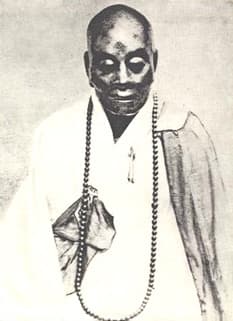
Huineng was a pivotal, though semi-legendary, figure in early Chinese Chan Buddhism, revered as the Sixth Patriarch. Despite his illiteracy and humble origins, tradition states he attained sudden enlightenment upon hearing the Diamond Sutra and was secretly chosen as the successor to the Fifth Patriarch, Daman Hongren. He is credited with founding the "Sudden Enlightenment" Southern Chan school, emphasizing immediate insight over gradual practice, and his teachings, recorded in the influential Platform Sutra, continue to shape East Asian Buddhist thought.