
Hulagu Khan
Persia·Kagyu (Tibetan Buddhism)·Male·13th century
Hulagu Khan was a Mongol ruler who significantly expanded the Mongol Empire into West Asia, founding the Ilkhanate in Persia. He is primarily known for leading the devastating sack of Baghdad, which ended the Islamic Golden Age and the Abbasid Caliphate. His campaigns also weakened Damascus, leading to a shift in Islamic power towards Cairo.
Key Facts
- ›Founded the Ilkhanate in Persia, expanding the Mongol Empire into West Asia.
- ›Led the Mongol army in the destruction of Baghdad in 1258, ending the Abbasid dynasty.
- ›Conquered Syria in 1260, weakening the Ayyubid dynasty and shifting Islamic influence to Cairo.
- ›His army included soldiers and auxiliaries from various religious backgrounds, including Christians and Muslims.
- ›Engaged in a CIVIL war with his cousin Berke Khan of the Golden Horde, marking the end of a unified Mongol Empire.
- ›Sought to form an alliance with European powers against Muslim states, but was unsuccessful.
Important Relationships
- Genghis Khan
- Tolui
- Sorghaghtani Beki
- Möngke Khan
- Kublai Khan
- Ariq Böke
- Batu Khan
- Berke Khan
- Doquz Khatun
- Kitbuqa
- Al-Musta'sim
- Qutuz
- Baybars
- Nasir al-Din Tusi
Persia, Baghdad, Damascus, Azerbaijan, Lake Urmia
Ruler, Military Leader, Conqueror
About Hulagu Khan
Hulagu Khan (c. 1217 – 8 February 1265) was a pivotal Mongol ruler who led the westward expansion of the Mongol Empire, establishing the Ilkhanate in Persia and greatly influencing the political and cultural landscape of West Asia. As a grandson of Genghis Khan and son of Tolui, he commanded one of the largest Mongol armies ever assembled.
Military Campaigns and Conquests
Charged by his brother, Great Khan Möngke, Hulagu Khan launched a massive military campaign in 1253. His objectives included the subjugation of the Lurs, the destruction of the Nizari Ismaili state (Assassins), the downfall of the Abbasid Caliphate in Baghdad, and the submission or destruction of the Ayyubid states in Syria. He vigorously pursued these goals, demonstrating little mercy to those who resisted. His campaigns saw the destruction of the formidable Assassin fortress of Alamut and the subsequent sacking of Baghdad in 1258.
The Sack of Baghdad and its Aftermath
The siege and subsequent destruction of Baghdad were catastrophic events. The city, a center of learning and culture, saw its Grand Library and countless other institutions of knowledge obliterated. Estimates of the death toll vary widely, with some suggesting hundreds of thousands perished. The Abbasid Caliphate was extinguished, an event that marked the end of the Islamic Golden Age. Following this, Hulagu Khan turned his attention to Syria in 1259, conquering the Ayyubid dynasty and pushing Mongol patrols as far as Gaza. The weakening of Baghdad and Damascus led to a significant shift in Islamic power towards the Mamluk Sultanate in Cairo.
The Battle of Ain Jalut and Internal Conflicts
In 1260, Hulagu Khan's forces, allied with Christian vassals, conquered Muslim Syria. However, his advance towards Egypt was halted by the Mamluk army at the Battle of Ain Jalut, a significant defeat that marked the limit of Mongol expansion into southwestern Asia. Upon his return to his territories, Hulagu Khan became embroiled in a civil war with his cousin Berke Khan of the Golden Horde, who, as a Muslim convert, was outraged by the destruction of Baghdad. This conflict, initiated by Berke Khan's raids, signaled the end of the unified Mongol Empire.
Religious and Cultural Interactions
Hulagu Khan's mother, Sorghaghtani Beki, was a Christian of the Church of the East, and his favorite wife, Doquz Khatun, was also Christian. Hulagu himself was known to be friendly towards Christianity and sought alliances with European powers. Despite these efforts, a lasting alliance was never formed. Later in life, it is recorded that Hulagu Khan converted to Buddhism, following the Kagyu school, and supported Buddhist institutions. He also patronized scholars like Nasir al-Din Tusi, contributing to advancements in astronomy and historical writing in Persian.
Source: Wikipedia ↗
Frequently Asked Questions
What was Hulagu Khan's most significant military achievement?
Hulagu Khan's most significant military achievement was the conquest of West Asia, which led to the founding of the Ilkhanate in Persia. This campaign involved the subjugation of various Muslim states and dynasties.
What was the impact of the Siege of Baghdad under Hulagu Khan?
The Siege of Baghdad in 1258 resulted in the city's complete destruction, the end of the Abbasid Caliphate, and the end of the Islamic Golden Age. The Mongols looted and burned libraries, mosques, palaces, and hospitals, causing immense loss of historical and cultural heritage.
Who was Hulagu Khan's mother and what was her influence?
Hulagu Khan's mother was Sorghaghtani Beki, an influential Keraite princess. She was instrumental in navigating Mongol politics and ensuring her sons became leaders. She was a Christian, and Hulagu was known to be friendly towards Christianity.
What was the outcome of the Battle of Ain Jalut for Hulagu Khan's forces?
The Battle of Ain Jalut in 1260 was a decisive defeat for the Mongol army left in Syria under Kitbuqa. This battle marked a high-water mark for Mongol conquests and prevented their further advance into Egypt.
Did Hulagu Khan have any significant interactions with European powers?
Hulagu Khan sent multiple communications to Europe, notably to Louis IX of France, in an attempt to establish a Franco-Mongol alliance against Muslim states. These efforts to form an alliance, however, were ultimately unsuccessful.
What was Hulagu Khan's religious affiliation?
While his mother and favorite wife were Christian, and he was friendly towards Christianity, historical accounts suggest Hulagu Khan converted to Buddhism as he neared death. Tibetan monks' letters confirm his lifelong adherence to the Kagyu school of Buddhism.
Related Buddhists
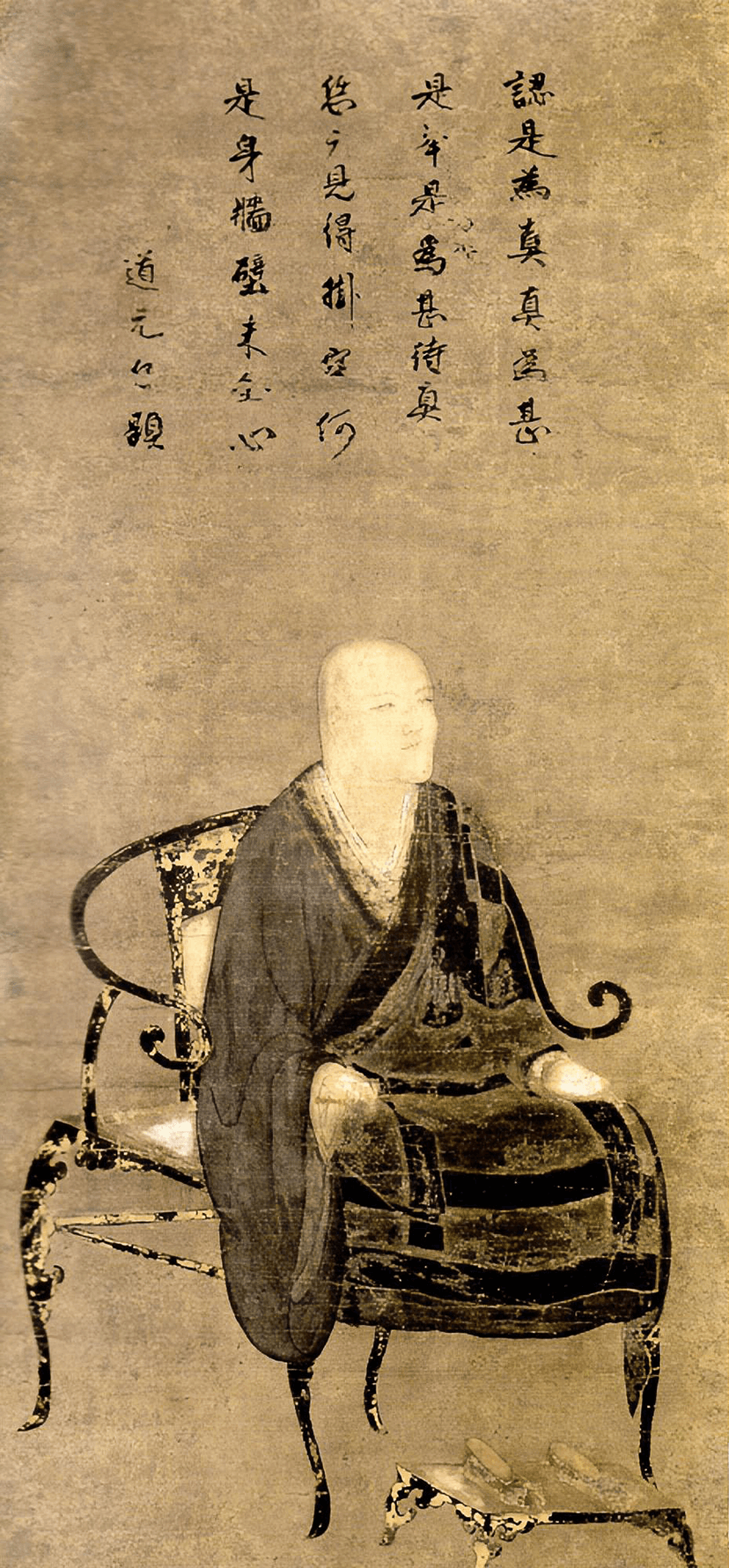
Dōgen
Dōgen was a pivotal Japanese Zen Buddhist monk, philosopher, and poet who founded the Sōtō school of Zen in Japan. Dissatisfied with existing Buddhist teachings, he traveled to China and studied under Tiāntóng Rújìng, an eminent master of the Cáodòng lineage. Upon his return, Dōgen introduced and emphasized the practice of zazen (sitting meditation) through his extensive writings, most notably the Shōbōgenzō, which remain central to contemporary Sōtō Zen.
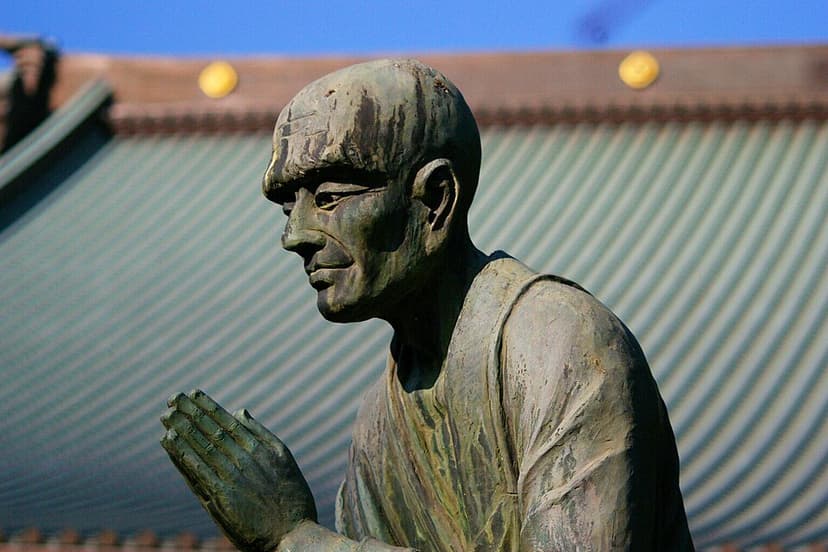
Ippen
Ippen Shōnin was a highly influential Japanese Buddhist itinerant preacher (hijiri) of the 13th century, known for founding the Ji-shū ("Time sect") movement. His teachings emphasized salvation through the single-minded invocation of Amida Buddha's Name, believing that each recitation instantly united the practitioner with the Buddha's timeless enlightenment. Ippen's radical vision and ecstatic practices, including the "dancing nembutsu," attracted a broad following across all social classes and significantly shaped medieval Japanese Pure Land Buddhism.
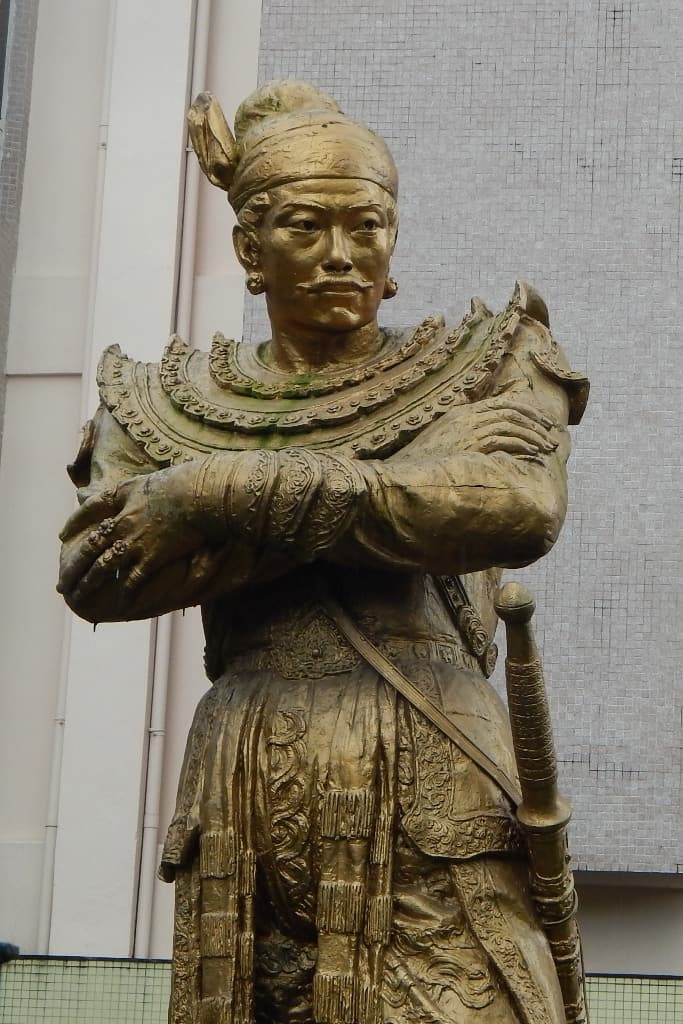
Bayinnaung Kyawhtin Nawrahta
Bayinnaung Kyawhtin Nawrahta was the King of Burma from 1550 to 1581, during which he assembled the largest empire in Southeast Asian history. His reign is celebrated for its significant human energy and administrative reforms, particularly in integrating the Shan States into the Burmese administrative system. Though his empire eventually collapsed after his death, Bayinnaung is remembered as one of the three greatest Burmese monarchs and a significant figure in Thai historical consciousness.