
Hugo Enomiya-Lassalle
Germany·Society of Jesus, Sanbo Kyodan (Zen sect)·Male·20th century
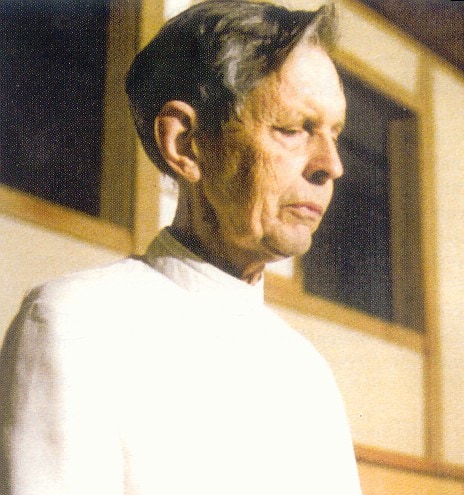
Hugo Makibi Enomiya-Lassalle was a German Jesuit priest and missionary who became a prominent figure in bridging Zen Buddhism and Roman Catholicism. He is renowned for his efforts in teaching Zen to Christians, influencing the integration of Zen practices within the Catholic Church.
Key Facts
- ›German Jesuit priest and missionary who lived from 1898 to 1990.
- ›Survived the atomic bombing of Hiroshima in 1945, where he served as vicar.
- ›Initiated the construction of the Memorial Cathedral for World Peace in Hiroshima.
- ›Began studying Zen Buddhism in 1956 and was later certified as a Zen master (roshi).
- ›Authored several influential books on Zen meditation for Christians.
- ›His work encouraged the incorporation of Zen principles into Christian practice.
Important Relationships
- Pope Pius XII
- Togo Murano
Zen: Way To Enlightenment, Zen Meditation For Christians, Living the New Consciousness, the Practice of Zen Meditation
Japan, Hiroshima, Germany
Harada Daiun Sogaku, Yamada KōUn
German, English
Jesuit Vows
About Hugo Enomiya-Lassalle
Hugo Makibi Enomiya-Lassalle
Hugo Makibi Enomiya-Lassalle (1898–1990) was a German Jesuit priest and missionary who became a significant figure in the dialogue between Zen Buddhism and Roman Catholicism. His life and work were dedicated to exploring and teaching the compatibility of these two spiritual traditions, particularly the integration of Zen practices within a Christian framework.
Life and Ministry
Born in Westphalia, Germany, Enomiya-Lassalle joined the Society of Jesus in 1919 and was ordained a priest in 1927. He traveled to Japan as a missionary in 1929, where his interest in the country's Buddhist practices began to develop. He served as the vicar of Hiroshima and was present during the atomic bombing on August 6, 1945, an experience that profoundly impacted him. Following his recovery, he returned to Germany and, in 1946, met with Pope Pius XII to propose building a cathedral in Hiroshima dedicated to world peace. The Memorial Cathedral for World Peace was subsequently constructed and dedicated in 1954.
Zen Practice and Teaching
In 1956, Enomiya-Lassalle began studying Zen Buddhism under Harada Daiun Sogaku, and later continued his training with Harada's student, Yamada Kōun. Yamada was particularly supportive of exploring Zen as a Christian practice, a sentiment that resonated with Enomiya-Lassalle. By the late 1960s, Enomiya-Lassalle was recognized as a Zen master (roshi) within Yamada's Sanbo Kyodan sect, while maintaining his Christian faith. He dedicated much of his later life, especially after 1968, to leading Zen retreats in Europe and fostering Zen practice among Christians. His efforts helped to popularize the study of Zen within Western Christian communities.
Notable Works and Influence
Enomiya-Lassalle authored several influential books that elucidated the practice of Zen for a Christian audience. His key publications include "Zen: Way to Enlightenment" (1964), "Zen Meditation for Christians" (1974), "Living the New Consciousness" (1984), and "The Practice of Zen Meditation" (1987). His work is credited with influencing figures such as symphony conductor Herbert von Karajan, who reportedly studied Zen to enhance his approach to conducting.
Source: Wikipedia ↗
Frequently Asked Questions
Who was Hugo Enomiya-Lassalle?
Hugo Enomiya-Lassalle was a German Jesuit priest and missionary, born in 1898 and died in 1990. He is recognized for his significant role in merging Zen Buddhist practices with Roman Catholic Christianity.
What is Hugo Enomiya-Lassalle known for in Hiroshima?
As the vicar of Hiroshima, Enomiya-Lassalle was critically wounded in the 1945 atomic bombing. Following this event, he championed the construction of the Memorial Cathedral for World Peace in the city, which was dedicated in 1954.
How did Hugo Enomiya-Lassalle become involved with Zen Buddhism?
After arriving in Japan as a missionary in 1929, he developed an interest in Buddhist practices. He began formal Zen studies in 1956 and was later recognized as a Zen master (roshi) within the Sanbo Kyodan sect.
What was Enomiya-Lassalle's influence on Christianity?
Enomiya-Lassalle actively promoted Zen practice among Christians and taught Zen retreats in Europe. His writings and teachings aimed to integrate Zen meditation and philosophy into Christian spiritual life, influencing many within the Catholic Church.
Did Hugo Enomiya-Lassalle write any books?
Yes, Hugo Enomiya-Lassalle authored several books that explored the intersection of Zen and Christianity. Notable works include 'Zen: Way to Enlightenment,' 'Zen Meditation for Christians,' and 'Living the New Consciousness.'
Related Buddhists
Chökyi Nyima Rinpoche
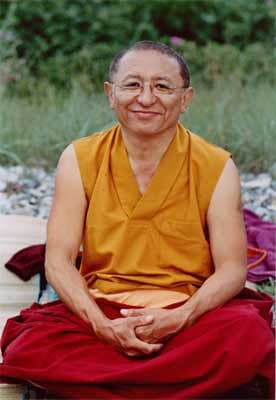
Chökyi Nyima Rinpoche is a contemporary Tibetan Buddhist teacher and meditation master, recognized as the seventh incarnation of Gar Drubchen. He is widely known as the abbot of Ka-Nying Shedrub Ling Monastery in Kathmandu, Nepal, and as an international teacher who has founded numerous meditation centers worldwide.
Chagdud Tulku Rinpoche
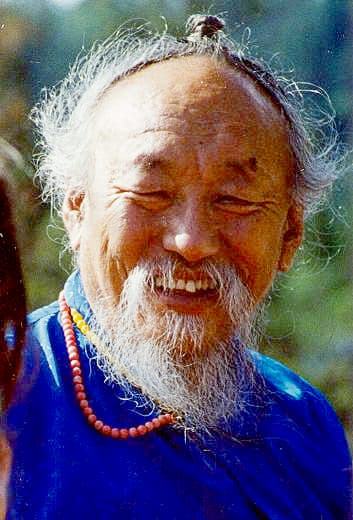
Chagdud Tulku Rinpoche was a highly respected Tibetan teacher of the Nyingma school of Vajrayana Buddhism. He was known in the West for his teachings, his artistic talents as a sculptor and painter, his melodic chanting voice, and his skill as a physician, acting as a spiritual guide for thousands of students.
Anagarika Govinda
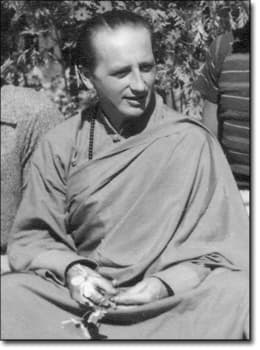
Anagarika Govinda, born Ernst Lothar Hoffmann, was a German Buddhist author, painter, and poet, and the founder of the Arya Maitreya Mandala order. He is renowned for his extensive writings on Tibetan Buddhism, Buddhist meditation, and Abhidharma, significantly influencing Western understanding of these traditions. Govinda's work also encompassed art and poetry, and he was a pivotal figure in bridging Eastern and Western spiritual and philosophical thought.