
Dzongsar Khyentse Chökyi Lodrö
Tibet·Rimé movement, Nyingma, Sakya, Kagyu, Gelug·Male·20th century
Dzongsar Khyentse Chökyi Lodrö (c. 1893–1959) was a highly influential Tibetan lama and a leading proponent of the Rimé movement. He was a master of numerous Buddhist lineages and a teacher to many prominent figures in 20th-century Tibetan Buddhism, significantly shaping its transmission to the West.
Key Facts
- ›Recognized as the emanation of the 19th-century Rimé master Jamyang Khyentse Wangpo.
- ›Received extensive training in grammar, astrology, Sanskrit, and Buddhist philosophy from a young age.
- ›Studied and received transmissions from all four major schools of Tibetan Buddhism: Nyingma, Kagyu, Sakya, and Gelug.
- ›Became a spiritual teacher and guide to many future renowned lamas, including Dilgo Khyentse, Dudjom Rinpoche, and Sogyal Rinpoche.
- ›Dropped monastic vows later in life to marry Khandro Tsering Chödrön, which was seen as necessary for his longevity and continued teaching.
- ›Resided in Sikkim in his later years, where his residence became a significant spiritual center attracting lamas from Tibet.

Important Relationships
- Khandro Tsering Chödrön (wife)
- Kathok Situ Chökyi Gyatso (recognizer, teacher)
- Khenpo Thupten (tutor)
- Shechen Gyaltsap (teacher)
- Rangjung Rigpe Dorje, 16th Karmapa (recipient of teachings)
- Sangharakshita (recipient of teachings)
- Dilgo Khyentse (student)
- Jigdral Yeshe Dorje (2nd Dudjom Rinpoche) (student)
- Sogyal Rinpoche (student)
- Chagdud Tulku Rinpoche (student)
- Tulku Urgyen Rinpoche (mentioned in biography)
Kathok Monastery, Dzongsar Monastery, Shechen Monastery, Mindrolling Monastery, Gangtok, Sikkim
Jamyang Khyentse Wangpo
Tibetan
Monastic Vows, Bodhisattva Vows
Master of Masters, Tulku
About Dzongsar Khyentse Chökyi Lodrö
Dzongsar Khyentse Chökyi Lodrö (c. 1893 – 1959) was a highly influential Tibetan lama and a central figure in 20th-century Tibetan Buddhism. He was recognized as an emanation of the great Rimé master Jamyang Khyentse Wangpo and became a master of numerous Buddhist lineages, embodying the spirit of the Rimé movement, which emphasized non-sectarianism and the preservation of teachings from all traditions.
Life and Training
Born in Gonjo, Kham, in 1893, Dzongsar Khyentse Chökyi Lodrö received extensive training from a young age. By his teenage years, he had received profound teachings and transmissions from the Nyingma and Sakya traditions, including Dzogchen instructions. He later studied at Dzongsar Monastery and received transmissions from various masters across all four major schools of Tibetan Buddhism: Nyingma, Sakya, Kagyu, and Gelug. He completed a significant accumulation of his ngöndro practices and became known for his ability to teach both analytical philosophy and advanced meditative practices.
Role as a Teacher and Master
In his later life, Dzongsar Khyentse Chökyi Lodrö became a pivotal teacher for many lamas who would later play a significant role in disseminating Tibetan Buddhism to the West. He was revered as a "master of masters," possessing deep knowledge and clarity on the terma (revealed treasure) teachings of many lineages. His influence extended to figures such as Dilgo Khyentse, Jigdral Yeshe Dorje (2nd Dudjom Rinpoche), Sogyal Rinpoche, and Chagdud Tulku Rinpoche. In 1949, he married Khandro Tsering Chödrön, a decision made to overcome obstacles to his longevity and enable him to continue his Dharma activities.
Later Years and Legacy
As political situations in Tibet worsened, Dzongsar Khyentse Chökyi Lodrö traveled to Sikkim, where the Tsuklakhang Palace became a spiritual center. He continued to give empowerments and transmissions to visiting lamas. He passed away in 1959 in Gangtok, Sikkim. His passing was marked by phenomena often associated with the death of highly realized tulkus, and his cremation was a significant event. In 1961, Dzongsar Jamyang Khyentse Rinpoche was born and recognized as his reincarnation, continuing his spiritual lineage.
Source: Wikipedia ↗
Frequently Asked Questions
Who was Dzongsar Khyentse Chökyi Lodrö?
Dzongsar Khyentse Chökyi Lodrö was a prominent Tibetan lama and a master of many Buddhist lineages. He was a key figure in the Rimé movement, which emphasized non-sectarianism within Tibetan Buddhism, and taught many influential Buddhist masters of the 20th century.
When and where was Dzongsar Khyentse Chökyi Lodrö born?
He was born around 1893 in the Gonjo region of Kham, Eastern Tibet, near Katok Monastery. His father was Gyurme Tsewang Gyatso and his mother was Tsultrim Tso.
What was the Rimé movement?
The Rimé movement was a non-sectarian movement within Tibetan Buddhism that aimed to preserve and transmit teachings from all the major schools without bias. Dzongsar Khyentse Chökyi Lodrö was a major proponent of this movement.
Who were some of Dzongsar Khyentse Chökyi Lodrö's notable students?
He was a teacher and guide to many lamas who would later bring Tibetan Buddhism to the West. Notable students included Dilgo Khyentse, Jigdral Yeshe Dorje (2nd Dudjom Rinpoche), and Sogyal Rinpoche.
When and where did Dzongsar Khyentse Chökyi Lodrö die?
He died in early 1959 in Sikkim, India, at the age of 66. His cremation took place at Tashiding Monastery in Sikkim.
Is Dzongsar Khyentse Chökyi Lodrö considered a reincarnation?
Yes, he was recognized ceremonially at the age of seven as the action emanation of Jamyang Khyentse Wangpo, a significant 19th-century Rimé master. Later, his reincarnation was born in Bhutan in 1961.
Related Buddhists
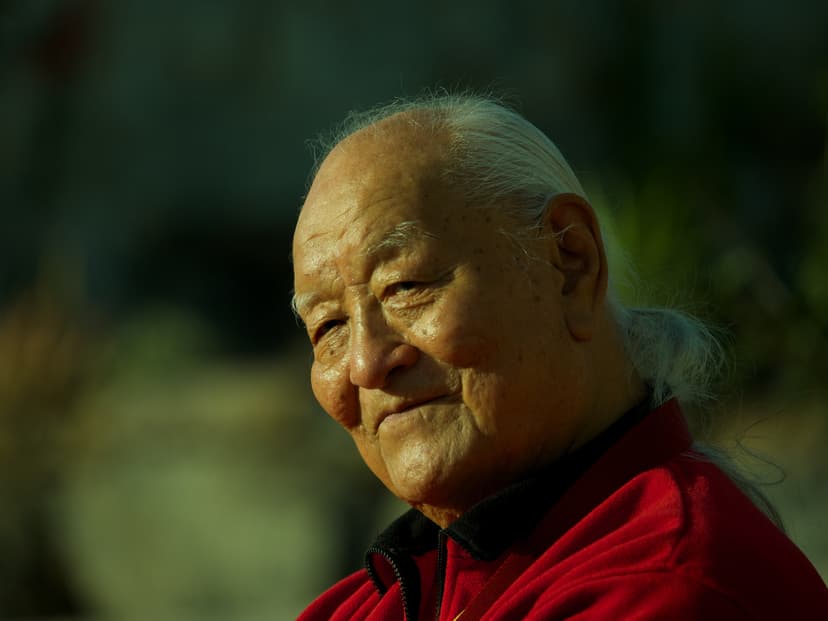
Namkhai Norbu
Namkhai Norbu was a prominent Tibetan Buddhist master of Dzogchen and a professor of Tibetan and Mongolian language and literature. He was recognized as a tulku (reincarnated master) from a young age and became a leading authority on Tibetan culture, history, and religion. Norbu founded the Dzogchen Community, which has centers worldwide, and dedicated his life to teaching Dzogchen in the West.
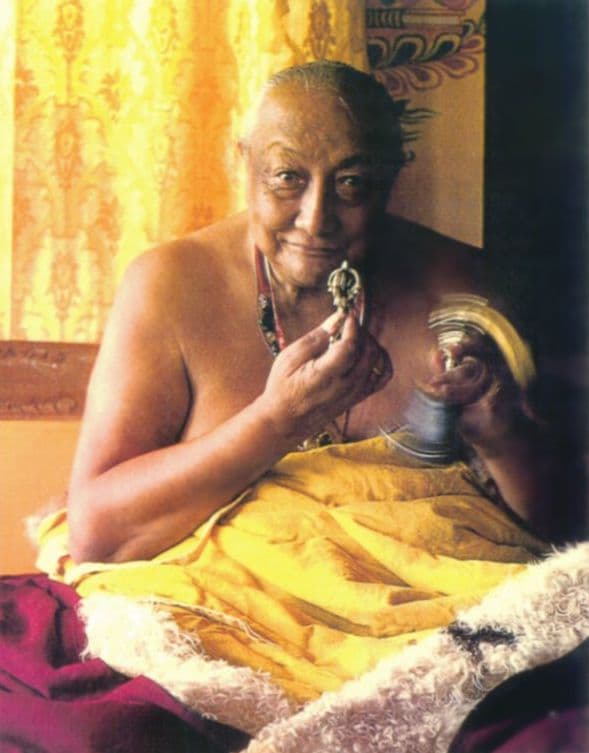
Dilgo Khyentse
Dilgo Khyentse Rinpoche was a highly revered Vajrayana master, scholar, poet, and teacher, recognized as one of the greatest realized masters in Tibetan Buddhism. He was the head of the Nyingma school and a prominent proponent of the Rime tradition, playing a crucial role in the preservation of Tibetan Buddhist teachings after the Chinese invasion of Tibet. His extensive teachings and discovered treasures (termas) significantly influenced the transmission of Buddhist philosophy and practice.
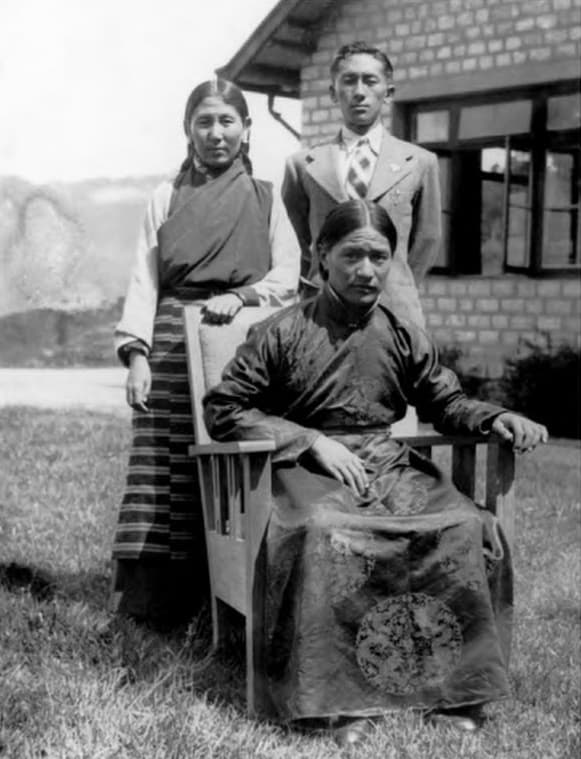
Dudjom Jigdral Yeshe Dorje
Kyabje Dudjom Rinpoche Jigdral Yeshe Dorje, known as Dudjom Rinpoche, was a highly revered master in the Nyingma school of Tibetan Buddhism. He was recognized as a reincarnation of previous tertons and Padmasambhava, and served as the first head of the Nyingma school in exile. Dudjom Rinpoche was a prolific author, scholar, yogi, and Vajrayana and Dzogchen master, instrumental in preserving and transmitting Tibetan Buddhist teachings to the West.