
Chittadhar Hridaya
Nepal·Nepal Bhasa renaissance·Male·20th century
Chittadhar Hridaya was a highly esteemed Nepalese poet, recognized as one of the 20th century's greatest literary figures from Nepal. He dedicated his life to promoting his mother tongue, Nepal Bhasa, even enduring imprisonment for his literary activities. His magnum opus, the epic poem "Sugata Saurabha," chronicles the life of the Buddha and is considered a cornerstone of Nepal Bhasa literature.
Key Facts
- ›He was a prominent Nepalese poet known for his contributions to Nepal Bhasa literature.
- ›Awarded the title Kavi Keshari (Lion among Poets) by King Mahendra of Nepal in 1956.
- ›Imprisoned for five years by the Rana regime for writing subversive poetry in Nepal Bhasa.
- ›Authored the epic "Sugata Saurabha," a comprehensive account of the Buddha's life.
- ›A key figure in the Nepal Bhasa renaissance, advocating for the language's institutional development.
- ›His home has been converted into the Chittadhar Hridaya Memorial Museum, dedicated to his life and works.

Important Relationships
- Moti Laxmi Upasika
- Chandra Man Singh Maskey
- King Mahendra of Nepal
- Nepal Bhasa Parishad
Sugata Saurabha, Mimmanahpau, Six Short Stories, Jhi Maca
Kathmandu, Lhasa, Kolkata, Kalimpong, Varanasi
Nepal Bhasa, Nepali, Hindi
Literary Figure
About Chittadhar Hridaya
Chittadhar Hridaya: A Lion Among Poets
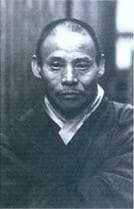
Chittadhar Hridaya, born Chittadhar Tuladhar on May 19, 1906, was a celebrated Nepalese poet and a pivotal figure in the 20th-century literary landscape of Nepal. Renowned for his profound dedication to his mother tongue, Nepal Bhasa, Hridaya's life was marked by literary service, artistic expression, and a commitment to cultural preservation, even at the cost of personal freedom.
Life and Literary Endeavors
Hridaya was born into a family of hereditary Lhasa Newar traders in Kathmandu. Despite his family's business background, he chose to dedicate himself to the development of Nepal Bhasa literature. His literary journey began during a period when writing in Nepal Bhasa was suppressed by the autocratic Rana regime. This suppression led to his imprisonment in 1941 for five years due to a poem he wrote in Nepal Bhasa. While incarcerated, he secretly penned his most significant work, the epic poem "Sugata Saurabha," which beautifully recounts the life of the Buddha.
Following his release, Hridaya continued to be a prolific writer, pioneering modern short stories in Nepal Bhasa with his collection "Six Short Stories." He was also instrumental in establishing the Nepal Bhasa Parishad (Nepal Bhasa Council) in 1951 with other prominent writers, aiming to foster the institutional growth of Nepal Bhasa. His advocacy led to the inclusion of Nepal Bhasa in school and college curricula.
Notable Works and Legacy
Chittadhar Hridaya's oeuvre spans epics, dramas, novels, short stories, history, and grammar. His magnum opus, "Sugata Saurabha," has been lauded for its aesthetic appeal and doctrinal soundness in depicting the Buddha's life. Other significant works include the novel "Mimmanahpau," which offers cultural and social observations from the perspective of a Newar merchant in Lhasa, and the children's story collection "Jhi Maca."
His contributions were recognized by the Nepalese government and literary circles. In 1956, King Mahendra bestowed upon him the title Kavi Keshari (Lion among Poets). A commemorative postage stamp was issued in his honor, and a statue was erected in downtown Kathmandu. His former residence has been transformed into the Chittadhar Hridaya Memorial Museum, preserving his legacy and showcasing his personal belongings, books, and artwork. Chittadhar Marg, a street in central Kathmandu, is also named in his honor, a testament to his enduring impact on Nepalese culture and literature.
Source: Wikipedia ↗
Frequently Asked Questions
What is Chittadhar Hridaya best known for?
Chittadhar Hridaya is best known for his prolific work as a poet, particularly his epic "Sugata Saurabha," which is considered a masterpiece of Nepal Bhasa literature. He is also celebrated for his lifelong dedication to promoting and preserving his mother tongue, Nepal Bhasa.
Why was Chittadhar Hridaya imprisoned?
Chittadhar Hridaya was imprisoned by the autocratic Rana regime for writing in Nepal Bhasa during a period when its use was suppressed. Specifically, he was jailed for a poem titled "Mother," which the government interpreted as a critique of their policies towards the Newar language.
What is "Sugata Saurabha"?
"Sugata Saurabha" is Chittadhar Hridaya's most famous work, an epic poem detailing the life of the Buddha. Written while he was imprisoned, it is highly regarded for its aesthetic appeal, doctrinal soundness, and its significant contribution to Nepal Bhasa literature.
What role did Chittadhar Hridaya play in the Nepal Bhasa renaissance?
Hridaya was a central figure in the Nepal Bhasa renaissance. He actively promoted the language through his writings, co-founded the Nepal Bhasa Parishad to foster its institutional development, and lobbied for its inclusion in the educational curriculum.
What other notable works did Chittadhar Hridaya create?
Besides "Sugata Saurabha," Chittadhar Hridaya wrote a novel titled "Mimmanahpau," a collection of children's stories called "Jhi Maca," and "Six Short Stories," which were groundbreaking in modern Nepal Bhasa literature. He also contributed to various genres including dramas and historical accounts.
Related Buddhists

Allen Ginsberg
Allen Ginsberg was a prominent American poet and writer, best known as a central figure of the Beat Generation. He was a vocal critic of militarism, materialism, and sexual repression, and he explored themes of Eastern religions, drugs, and counterculture in his work. His most famous poem, "Howl," led to an influential obscenity trial that defended freedom of speech.
Han Yong-un
Han Yong-un, also known by his art name Manhae, was a prominent 20th-century Korean Buddhist reformer, poet, and independence activist. He advocated for the modernization of Korean Buddhism and played a significant role in the Korean independence movement against Japanese colonial rule. His poetry often intertwined themes of nationalism and love, becoming a powerful voice for Korean identity and resistance.

Dhammalok Mahasthavir
Dhammalok Mahasthavir was a Nepalese Buddhist monk and writer instrumental in reviving Theravada Buddhism in Nepal during the 1930s and 1940s. His efforts to promote Buddhism and the Nepal Bhasa language led to his exile by the Rana regime. He is recognized for establishing Nepal's first modern Theravada monastery and co-founding a key Buddhist organization.