
Allen Ginsberg
United States·Beat Generation, Buddhism·Male·20th century
Allen Ginsberg was a prominent American poet and writer, best known as a central figure of the Beat Generation. He was a vocal critic of militarism, materialism, and sexual repression, and he explored themes of Eastern religions, drugs, and counterculture in his work. His most famous poem, "Howl," led to an influential obscenity trial that defended freedom of speech.
Key Facts
- ›Co-founded the Beat Generation with friends like William S. Burroughs and Jack Kerouac.
- ›His poem "Howl" became a landmark work, leading to a significant obscenity trial in 1957.
- ›Was a devoted practitioner of Buddhism, studying with Tibetan masters like Chögyam Trungpa.
- ›Actively participated in political protests on issues ranging from the Vietnam War to CIVIL rights.
- ›His collection "the Fall of America" won the National Book Award for Poetry in 1974.
- ›Had a lifelong partnership with artist Peter Orlovsky.

Important Relationships
- Lucien Carr
- William S. Burroughs
- Jack Kerouac
- Neal Cassady
- Peter Orlovsky
- Gregory Corso
- Carl Solomon
- Anne Waldman
- Gary Snyder
- A. C. Bhaktivedanta Swami Prabhupada
Howl, Kaddish For Naomi Ginsberg, September On Jessore Road, the Fall of America, Cosmopolitan Greetings: Poems 1986–1992
New York City, San Francisco, Paris, Tangier, India, Boulder, Colorado
William Blake, Walt Whitman, William Carlos Williams, ChöGyam Trungpa Rinpoche, A. C. Bhaktivedanta Swami Prabhupada
English
About Allen Ginsberg
Allen Ginsberg (1926–1997) was a towering figure in American literature and counterculture, best known as a central poet of the Beat Generation. His work and life were characterized by a fierce opposition to militarism, economic materialism, and societal sexual repression, embracing instead ideals of freedom, multiculturalism, and openness to Eastern religions.
Early Life and Formation of the Beat Generation
Born in Newark, New Jersey, Ginsberg's early life was marked by his mother's struggles with mental illness, which profoundly influenced his writing, notably in his epic poem "Kaddish." While studying at Columbia University in the 1940s, he formed crucial friendships with William S. Burroughs, Jack Kerouac, and Lucien Carr. This intellectual and creative nexus laid the groundwork for what would become known as the Beat Generation, a literary movement that challenged the conformity of post-World War II America.
"Howl" and Literary Impact
Ginsberg achieved international fame with his 1956 poem "Howl." The poem's raw language and unflinching exploration of sexuality, madness, and societal alienation led to an obscenity trial in San Francisco. The subsequent acquittal, based on the poem's redeeming artistic value, made "Howl" a landmark work in the defense of free speech and artistic expression. "Howl" also served as a biographical sketch, reflecting Ginsberg's own experiences and relationships, including his lifelong partnership with Peter Orlovsky.
Buddhism and Activism
A significant aspect of Ginsberg's life was his deep engagement with Eastern religions, particularly Tibetan Buddhism. Influenced by teachers such as Chögyam Trungpa, he integrated Buddhist philosophy into his worldview and practice. This spiritual exploration coincided with his lifelong commitment to activism. Ginsberg was actively involved in protests against the Vietnam War, the war on drugs, and advocated for the marginalized, as exemplified in his poem "September on Jessore Road," which highlighted refugees fleeing genocide. His collection "The Fall of America" earned him the National Book Award for Poetry in 1974, underscoring his continued relevance and impact.
Source: Wikipedia ↗
Frequently Asked Questions
What is Allen Ginsberg best known for?
Allen Ginsberg is best known for his groundbreaking poem "Howl," which became a defining work of the Beat Generation. He is also recognized for his advocacy against conformity, materialism, and repression, and for his exploration of Eastern religions and countercultural themes.
What was the significance of the "Howl" obscenity trial?
The 1957 obscenity trial for "Howl" generated widespread publicity and became a pivotal moment in the defense of free speech and artistic expression in the United States. The ruling that the poem was not obscene affirmed its literary merit and protected its controversial content.
What was Allen Ginsberg's relationship with Buddhism?
Ginsberg was a dedicated Buddhist who extensively studied Eastern religions. He was influenced by Tibetan Buddhist teachers such as Chögyam Trungpa Rinpoche and was also involved with the Krishna movement, incorporating chanting into his spiritual practice.
Who were the key figures in the Beat Generation associated with Ginsberg?
Ginsberg formed the core of the Beat Generation with his Columbia University friends Lucien Carr, William S. Burroughs, and Jack Kerouac. He also maintained close relationships with other writers and artists like Gregory Corso, Neal Cassady, and Carl Solomon.
What were some of Ginsberg's major political and social stances?
Ginsberg vigorously opposed militarism, economic materialism, and sexual repression. He was an active protester against the Vietnam War, the war on drugs, and what he saw as capitalist conformity and the persecution of the powerless.
Related Buddhists

Chittadhar Hridaya
Chittadhar Hridaya was a highly esteemed Nepalese poet, recognized as one of the 20th century's greatest literary figures from Nepal. He dedicated his life to promoting his mother tongue, Nepal Bhasa, even enduring imprisonment for his literary activities. His magnum opus, the epic poem "Sugata Saurabha," chronicles the life of the Buddha and is considered a cornerstone of Nepal Bhasa literature.
Han Yong-un
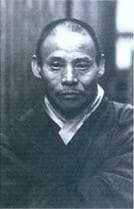
Han Yong-un, also known by his art name Manhae, was a prominent 20th-century Korean Buddhist reformer, poet, and independence activist. He advocated for the modernization of Korean Buddhism and played a significant role in the Korean independence movement against Japanese colonial rule. His poetry often intertwined themes of nationalism and love, becoming a powerful voice for Korean identity and resistance.
Jack Kornfield
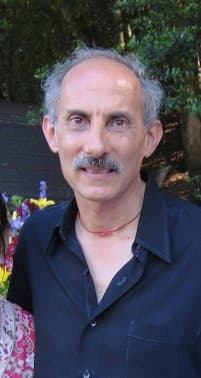
Jack Kornfield is a prominent American psychologist, writer, and teacher within the Vipassana movement of American Theravada Buddhism. After training as a Buddhist monk in Southeast Asia, he became a key figure in bringing mindfulness meditation to the West, co-founding influential meditation centers. He is known for bridging Eastern and Western psychology in his teachings and writings.