
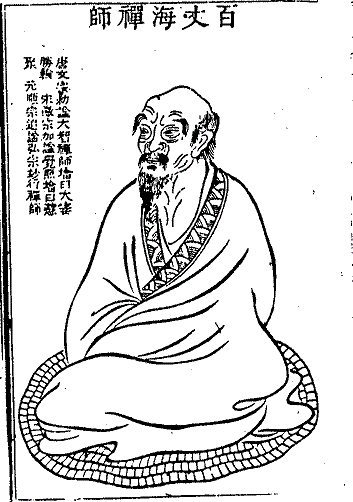
Baizhang Huaihai
China·Chan/Zen Buddhism·Male·8th century
Baizhang Huaihai (720–814) was a prominent Chan/Zen master during China's Tang dynasty, known for his sophisticated teachings on the ineffability of reality and the importance of intuitive knowledge. He is also credited with establishing a new pattern of Chan monastic life, emphasizing self-sufficiency through periods of work and farming, and developing early rules for monastic discipline that influenced later Zen monasteries.
Key Facts
- ›Chan/Zen master during the Tang dynasty in China.
- ›Dharma heir of Mazu Daoyi.
- ›Students included Huangbo, Linji, and Puhua.
- ›Central teaching emphasized the ineffability of ultimate reality and the cultivation of intuitive knowledge.
- ›Credited with developing early Chan monastic rules, including periods of work and farming.
- ›His monastery design and lifestyle became models for later Zen monasteries.
Important Relationships
- Mazu Daoyi
- Huangbo
- Linji
- Puhua
Pure Rules of Baizhang
Fuzhou, Ta-Chih Shou-Sheng Ch'An-Ssu
Mazu Daoyi
Chinese
About Baizhang Huaihai
Baizhang Huaihai (720–814) was a significant Chan (Zen) Buddhist master during China's Tang dynasty. Born in Fuzhou, he was a dharma heir of the renowned master Mazu Daoyi. Baizhang's teachings and monastic reforms left a lasting impact on the development of Chan Buddhism, and his students, including Huangbo, Linji, and Puhua, became influential figures in their own right.
Teachings on Reality and Knowledge
Baizhang Huaihai is depicted in historical sources as a sophisticated teacher of doctrine, adept in both the philosophical and contemplative aspects of Buddhism. A central theme in his sermons is the ineffability or indescribability of ultimate reality, which he believed transcends conventional conceptual categories and words. He taught that this reality could be realized through intuitive knowledge, a cornerstone of Chan soteriology. According to Baizhang, attachment to particular doctrines, texts, or practices, even profound ones, could impede spiritual progress. He emphasized that Chan teachings are expedient tools for cultivating detachment and freedom from mistaken views, rather than ends in themselves.
His doctrinal innovations included the "three propositions" (sanju), representing stages of spiritual realization: thoroughgoing detachment, non-abiding in detachment, and letting go of even the subtlest self-referential awareness. These teachings underscore a path of letting go of all attachments that obscure one's innate capacity to know reality and experience spiritual freedom.
Monastic Innovations
Baizhang Huaihai is widely recognized for his role in establishing a new pattern of Chan monastic life and for founding what is considered the first truly independent Chan monastery. This innovation included the integration of manual labor and farming into the monastic routine, a practice traditionally not acceptable in Buddhist monasticism. This allowed Chan communities to become self-sufficient and resilient, notably helping them survive the Great Anti-Buddhist Persecution.
He is traditionally credited with establishing the "Pure Rules of Baizhang" (Bǎizhàng qīngguī), an early set of monastic discipline rules for Chan Buddhism. While some scholars suggest these rules may have developed later, they became a model for subsequent Zen monasteries. His monastery's architectural form, including a monks' hall, also became typical for Chan institutions. From this monastic framework comes Baizhang's well-known saying: "a day without work is a day without food."
Source: Wikipedia ↗
Frequently Asked Questions
Who was Baizhang Huaihai?
Baizhang Huaihai was a significant Chan/Zen Buddhist master who lived during China's Tang dynasty. He was a dharma heir of Mazu Daoyi and taught a unique brand of Buddhist doctrine.
What were Baizhang Huaihai's main teachings?
A central idea in Baizhang's teachings was the ineffability of reality, stating that ultimate reality transcends words and concepts and can be realized through intuitive knowledge. He also stressed that Buddhist teachings are skillful means, empty of self-nature, and that attachment to any view or practice can impede spiritual progress.
What is Baizhang Huaihai known for in terms of monasticism?
Baizhang Huaihai is recognized for developing a new pattern of Chan monastic life, characterized by independent monasteries that incorporated periods of work and farming for self-sufficiency. He is also associated with the establishment of early rules for Chan monastic discipline, known as the "Pure Rules of Baizhang."
What are the "three propositions" attributed to Baizhang Huaihai?
The "three propositions" are distinct stages of spiritual realization described by Baizhang. They involve thoroughgoing detachment from all things, non-abiding in that state of detachment, and finally, letting go of even the subtlest vestiges of self-awareness or knowledge of having transcended detachment.
What is the origin of the saying "a day without work is a day without food"?
This well-known saying originates from Baizhang Huaihai and is associated with the emphasis on work and farming within the Chan monastic communities he helped establish. It reflects the principle of self-sufficiency that was integral to his monastic reforms.
Related Buddhists
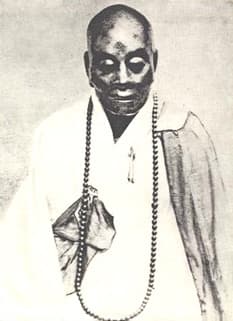
Huineng
Huineng was a pivotal, though semi-legendary, figure in early Chinese Chan Buddhism, revered as the Sixth Patriarch. Despite his illiteracy and humble origins, tradition states he attained sudden enlightenment upon hearing the Diamond Sutra and was secretly chosen as the successor to the Fifth Patriarch, Daman Hongren. He is credited with founding the "Sudden Enlightenment" Southern Chan school, emphasizing immediate insight over gradual practice, and his teachings, recorded in the influential Platform Sutra, continue to shape East Asian Buddhist thought.
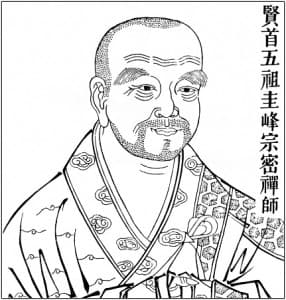
Guifeng Zongmi
Guifeng Zongmi was a highly influential Tang dynasty Chinese Buddhist monk, scholar, and patriarch of both the Huayan and Chan schools. He is renowned for his efforts to harmonize various Buddhist teachings, particularly Chan and Huayan, with Taoism and Confucianism, aiming to create a comprehensive spiritual vision. His extensive writings serve as a crucial resource for understanding the diverse Chan schools of his era.
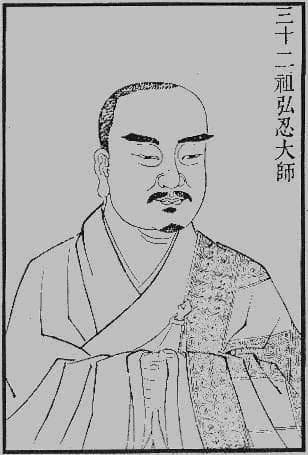
Daman Hongren
Daman Hongren (601–674) was the fifth Patriarch of Chan Buddhism, succeeding Dayi Daoxin and transmitting the lineage to Huineng. His teachings, known as the "East Mountain Teachings," emphasized meditation practice and the purification of the mind from discriminating thoughts. Hongren is considered a pivotal figure in the development of early Chinese Chan Buddhism, with his teachings influencing the tradition as it moved into urban centers and the imperial court.