
Aryadeva
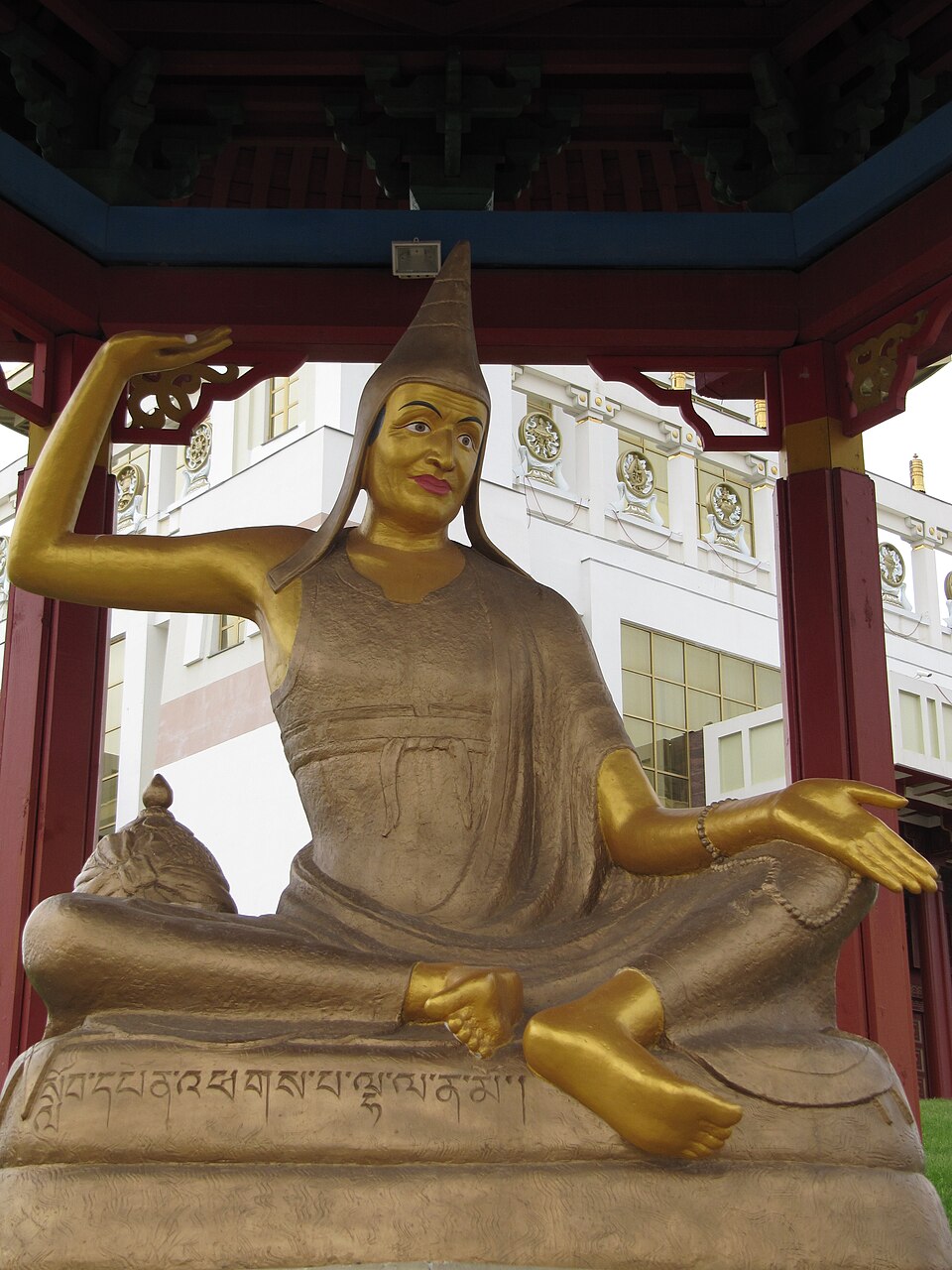
Aryadeva was a 3rd-century CE Mahayana Buddhist monk, a disciple of Nagarjuna, and a prominent Madhyamaka philosopher. He is considered the next most important figure in the Indian Madhyamaka school after Nagarjuna, and his writings significantly influenced Madhyamaka philosophy in both India and East Asia. His most renowned work, the Catuḥśataka (Four Hundred Verses), remains a key text for understanding Madhyamaka concepts.
Key Facts
- ›Disciple of the philosopher Nagarjuna and a leading figure in the Madhyamaka school.
- ›Authored the influential Catuḥśataka (four Hundred Verses), a foundational text for Madhyamaka philosophy.
- ›Sources suggest he originated from Simhala (identified by some scholars as Sri Lanka).
- ›Known for his skill in debate, reportedly defeating Brahmanical teachers in Vaisali.
- ›Recognized as the 15th patriarch in Chan/Zen Buddhism.
- ›Associated with the Nalanda monastery in modern-day Bihar, India.
Important Relationships
- Nagarjuna
CatuḥśAtaka, śAtaśāStra, DvāDaśAmukhaśāStra, AkṣAraśAtaka
Nalanda Monastery, Vaisali, Sri Lanka
Nagarjuna
Sanskrit
Bodhisattva Vows
About Aryadeva
Āryadeva
Āryadeva, also known by names such as Kanadeva and Tipo pusa, was a prominent Mahayana Buddhist monk and philosopher who flourished in the 3rd century CE. He is widely regarded as the next most important figure in the Indian Madhyamaka school after its founder, Nāgārjuna, whom he studied under. Āryadeva's philosophical contributions were highly influential, particularly his seminal work, the Catuḥśataka (Four Hundred Verses), which became a cornerstone text for the Madhyamaka tradition in both India and East Asia.
Life and Historical Context
Biographical accounts, primarily found in Chinese translations by Kumārajīva and later writings by Xuanzang, suggest Āryadeva hailed from "Siṃhala," often identified with Sri Lanka, though some sources indicate a birth into a Brahmin family in south India. He is described as a highly skilled debater who could defeat all opponents and convert them to Buddhism. Legends recount that he was murdered by the student of a defeated teacher, but even in his dying moments, Āryadeva is said to have forgiven his assailant and converted him to Buddhism. His association with the esteemed Nalanda monastery in modern-day Bihar, India, further underscores his significance.
Major Contributions and Works
Āryadeva's writings are crucial for understanding the Madhyamaka philosophy. His Catuḥśataka is his most significant work, deeply exploring concepts of emptiness, impermanence, and the Buddhist path, and it exists today primarily in Tibetan and Chinese translations. Other texts attributed to him, such as the Śataśāstra and Dvādaśamukhaśāstra, were also important sources for the East Asian Madhyamaka school, though the attribution of some works, like the Śataśāstra, is considered uncertain by some scholars. He is also recognized in Chan/Zen Buddhism as the 15th patriarch.
Later Attributions and Tantric Āryadeva
While Āryadeva is primarily known as a Madhyamaka philosopher, later traditions have attributed various esoteric Buddhist works to an individual also named Āryadeva. Contemporary scholarship suggests these later works belong to a distinct, later tantric author and are datable to the late 9th or early 10th century, representing a later Vajrayana Madhyamaka tradition. This distinction is important for understanding the historical development and attributions within Buddhist literature.
Source: Wikipedia ↗
Frequently Asked Questions
Who was Aryadeva?
Aryadeva was a 3rd-century CE Mahayana Buddhist monk, a philosopher of the Madhyamaka school, and a direct disciple of Nagarjuna. He is considered a pivotal figure in the development of Madhyamaka thought.
What is Aryadeva's most important work?
Aryadeva's most significant work is the Catuḥśataka (Four Hundred Verses). This text is crucial for understanding Madhyamaka philosophy and has been influential in India and East Asia.
Where did Aryadeva come from?
Most sources suggest that Aryadeva was from 'Siṃhala,' a region that some scholars identify with Sri Lanka. His origins are also linked to south India in some biographical accounts.
What was Aryadeva known for besides his philosophy?
Aryadeva was also known for his exceptional skill in philosophical debate, reportedly defeating opponents and converting them to Buddhism. He is also recognized as the 15th patriarch in Chan/Zen Buddhism.
What is the significance of Aryadeva's writings?
Aryadeva's writings, particularly the Catuḥśataka, are vital sources for Madhyamaka philosophy. They were instrumental in shaping Madhyamaka thought in both Indian and East Asian Buddhist traditions.
Related Buddhists
Candrakīrti
Candrakīrti was a 7th-century Buddhist scholar and philosopher of the Madhyamaka school, renowned for his commentaries on the works of Nāgārjuna. Based at Nalanda monastery, he is credited with refining the Madhyamaka approach, particularly its emphasis on emptiness and the "Prāsaṅgika" sub-school, making him a foundational figure in Tibetan Buddhism.
Dharmarakṣa
Dharmarakṣa was a pivotal early translator of Mahayana sutras into Chinese, born in Dunhuang around 233 CE. His extensive translations, including the Lotus Sutra and the Ten Stages Sutra, profoundly influenced East Asian Buddhism and contributed to the development of Chang'an as a major Buddhist center. He is described as being of Yuezhi origin and was active from 266 CE until his death around 310 CE.

14th Dalai Lama
The 14th Dalai Lama, born Lhamo Thondup, is the current spiritual leader of Tibetan Buddhism and the former temporal leader of Tibet. He is widely regarded as an emanation of Avalokiteśvara, the Bodhisattva of Compassion, and has led the Tibetan government in exile since 1959. Known for his advocacy for peace and interfaith dialogue, he was awarded the Nobel Peace Prize in 1989.