
Anathapindika
Anathapindika, born Sudatta, was a prominent wealthy merchant and philanthropist in ancient Savatthi during the time of Gautama Buddha. He is renowned as the chief male patron of the Buddha and is celebrated for his exceptional generosity, earning him the name "one who gives alms to the unprotected." His most significant contribution was founding the Jetavana Monastery, a vital center for Buddhist practice.
Key Facts
- ›Born Sudatta, he was a wealthy merchant and banker in Savatthi.
- ›Known for his immense generosity, he was nicknamed Anathapindika, meaning "one who gives alms to the unprotected."
- ›He founded the Jetavana Monastery in Savatthi, a significant site during the Buddha's lifetime.
- ›Anathapindika was recognized as the chief male lay patron of Gautama Buddha.
- ›He achieved the stage of sotapanna, an early stage of enlightenment, after listening to the Buddha preach.
- ›Anathapindika is considered the male lay disciple foremost in generosity.
Important Relationships
- Gautama Buddha
- Prince Jeta
- Visakha
- Sariputta
- Ananda
- Subhūti
Savatthi, Jetavana Monastery, RāJagaha
Gautama Buddha
Pali
Five Precepts
Philanthropist, Teacher, Benefactor
About Anathapindika
Anathapindika, born Sudatta, was a prominent figure in the time of Gautama Buddha, widely recognized as a wealthy merchant, banker, and philanthropist. His name, Anathapindika, translates to "one who gives alms to the unprotected," a title earned through his profound and consistent acts of generosity. He is considered the chief male patron of the Buddha and played a pivotal role in establishing and supporting the early Buddhist community.
Life and Contributions
Born into a wealthy merchant family in Savatthi, Sudatta quickly gained a reputation for his charitable nature, even before his conversion to Buddhism. His first encounter with Gautama Buddha in Rājagaha led to his profound devotion, and he achieved the stage of sotapanna, a significant step towards enlightenment. Following this, Anathapindika dedicated a substantial portion of his fortune to supporting the Buddha and his monastic disciples.
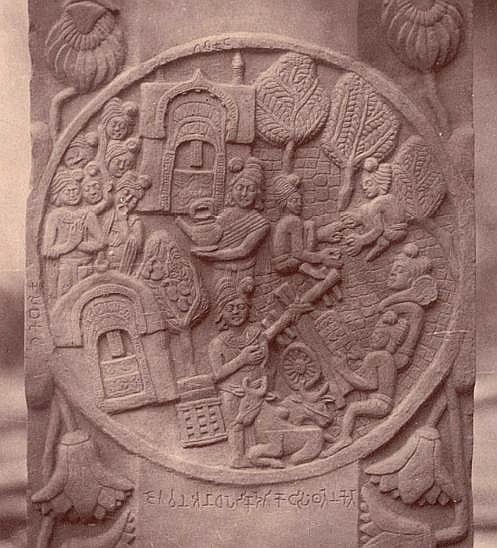
His most notable contribution was the acquisition and founding of the Jetavana Monastery in Savatthi. This monastery, established by covering Prince Jeta's park with gold coins, became one of the most important centers for Buddhist practice and teachings, hosting the Buddha for nineteen rainy seasons. Anathapindika consistently provided for the needs of the monks, ensuring the monastery was well-maintained and that the monastic community received daily alms and supplies.
Role as Chief Patron
Anathapindika, alongside his female counterpart Visakha, served as Gautama Buddha's chief lay patron. He was celebrated as the lay disciple foremost in generosity. Beyond material support, Anathapindika was also instrumental in dealing with the general public, acting as a primary aide to the Buddha. His unwavering commitment to generosity and Buddhist principles, even through periods of financial hardship, solidified his status as an exemplary adherent.
Legacy
Anathapindika's legacy is deeply intertwined with the virtue of dāna (generosity) in Buddhism. His story is often cited to illustrate the spiritual rewards and the importance of lay practice in achieving the Buddhist path. The Jetavana Monastery he founded remains a testament to his immense devotion and significant impact on the development and dissemination of Buddhism.
Source: Wikipedia ↗
Frequently Asked Questions
Who was Anathapindika?
Anathapindika, born Sudatta, was a wealthy merchant and philanthropist in Savatthi during the time of Gautama Buddha. He is celebrated as the chief male patron of the Buddha and is known for his extraordinary generosity.
What is Anathapindika most famous for?
He is most famous for his immense generosity, which earned him his name Anathapindika, meaning "one who gives alms to the unprotected." He is also renowned for founding the Jetavana Monastery in Savatthi.
What was the Jetavana Monastery?
Jetavana Monastery was a significant monastery in Savatthi, founded by Anathapindika. It was considered one of the two most important temples during the time of Gautama Buddha and served as a primary residence for the Buddha for nineteen rainy seasons.
How did Anathapindika become the Buddha's patron?
Anathapindika met the Buddha while on a business trip and was deeply moved by his teachings, achieving a stage of enlightenment. He then became a devoted follower and purchased land from Prince Jeta to build Jetavana Monastery, dedicating himself to supporting the Buddha and his monastic community.
What was Anathapindika's birth name?
Anathapindika's birth name was Sudatta. He was given the nickname "Anathapindika" due to his reputation for loving to give to those in need.
Did Anathapindika ever face hardship?
Yes, Anathapindika experienced a significant loss of fortune due to a flood and lending money to friends. Despite this, he continued his patronage of Buddhism, albeit more modestly, and his wealth was later restored.
Related Buddhists
Gautama Buddha
Siddhartha Gautama, widely known as the Buddha, was a religious teacher who founded Buddhism in the eastern Indo-Gangetic Plains during the 6th or 5th century BCE. After renouncing his royal life, he achieved enlightenment and taught a Middle Way emphasizing ethical conduct, mindfulness, and meditation. His core teachings, including the Four Noble Truths and the Noble Eightfold Path, formed the basis of a tradition that spread widely.
Amrapali
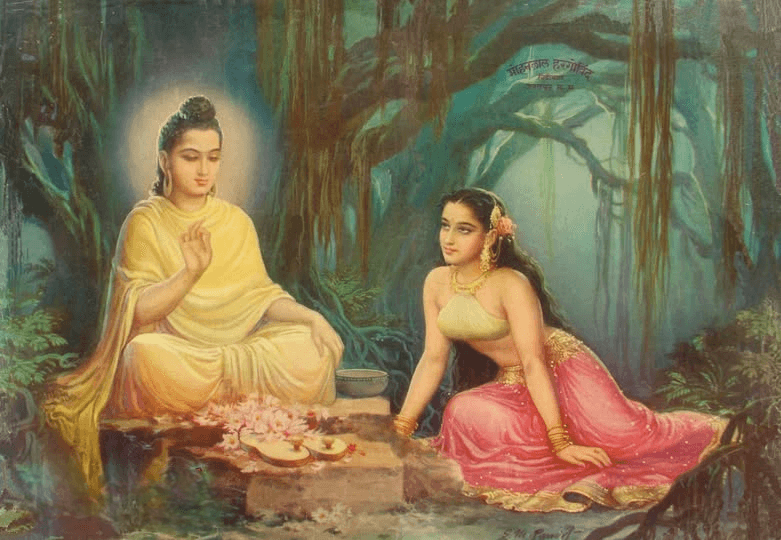
Amrapali, also known as Ambapālī, was a renowned nagarvadhu (royal courtesan) and rajnartaki (court dancer) in the Republic of Vaishali around 500 BCE. Celebrated for her extraordinary beauty and talent, she later embraced Buddhism and became an arahant. Her life is documented in ancient Pali texts and Buddhist traditions, notably in connection with her donation of a mango grove to the Buddha and his order.

Ernest de Silva
Sir Albert Ernest de Silva was a prominent Ceylonese philanthropist, businessman, and public figure of the 20th century, widely regarded as the most significant philanthropist of his era. He was the founder-chairman of the Bank of Ceylon and made extensive contributions to education, healthcare, and Buddhist institutions in Ceylon (now Sri Lanka). Despite his immense wealth and influence, he declined the honor of becoming the first Ceylonese Governor-General.