
Ajahn Sundara
France·Theravada (Thai Forest Tradition lineage)·Female·20th century
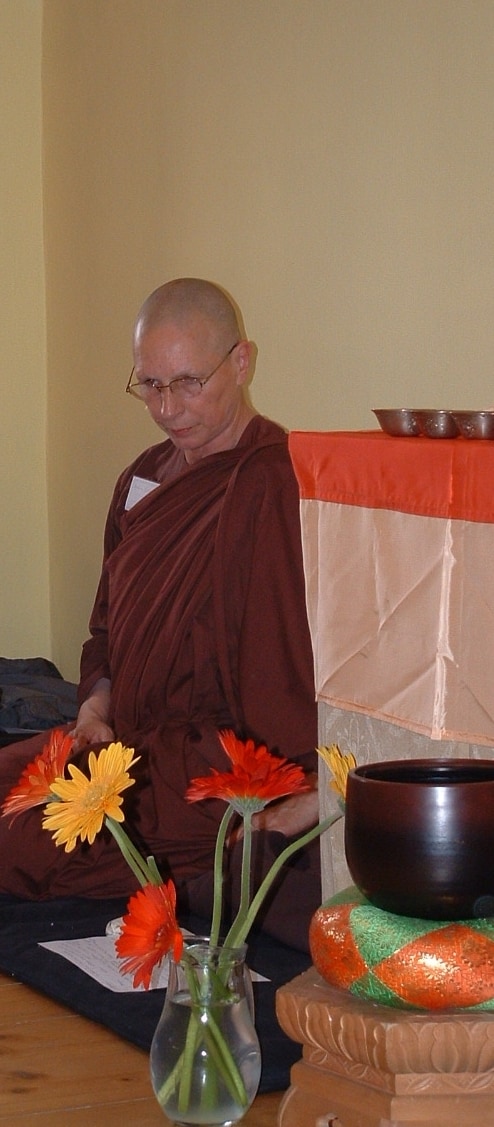
Ajahn Sundara is a French-born Buddhist sīladhārā in the Theravada tradition, ordained by Ajahn Sumedho. She is known for her extensive teaching and retreat leadership in Europe and North America, and for her instrumental role in founding the nuns' community at Amaravati Buddhist Monastery.
Key Facts
- ›Born in France in 1946, she was a dancer and dance teacher before encountering Buddhism.
- ›She was ordained as an anagārikā in 1979 and a sīladhārā in 1983 by Ajahn Sumedho.
- ›She was instrumental in establishing the nuns' community at Amaravati Buddhist Monastery in England.
- ›She spent over two years in retreat in Thailand in the MID-1990s.
- ›Ajahn Sundara has been teaching and leading retreats internationally for many years.
- ›She has authored or co-authored several books and publications on Buddhist teachings.
Important Relationships
- Ajahn Sumedho
- Chithurst Buddhist Monastery
- Amaravati Buddhist Monastery
- On Fearlessness and Fear: A Conversation With Tenzin Palmo, Ajahn Sundara, Ajahn Jitindriya and Yvonne Rand
- Friends On the Path
- the Body
- Walking the World
- Seeds of Dhamma
- Paccuppanna: the Present Moment
Chithurst Buddhist Monastery, Amaravati Buddhist Monastery
Ajahn Sumedho
English
Eight Precepts, Ten Precepts
About Ajahn Sundara
Ajahn Sundara is a significant figure in the Western Theravada Buddhist tradition, born in France in 1946. She is an ordained sīladhārā, a nun who follows the lineage established by Ajahn Sumedho.
Life and Historical Context
Before embarking on her spiritual journey, Ajahn Sundara pursued studies in contemporary dance and worked as a dancer and dance teacher. Her life took a profound turn in her early thirties when she encountered Ajahn Sumedho in England, attending one of his Dhamma talks and a retreat. This experience marked the beginning of her dedicated practice within the Buddhist monastic community.
In 1979, Ajahn Sundara was among the first four women to be ordained as an anagārikā by Ajahn Sumedho, a novice status involving eight precepts. She later received full monastic ordination as a ten-precept sīladhārā in 1983. She resided at Chithurst Buddhist Monastery in England before moving to Amaravati Buddhist Monastery in 1984. At Amaravati, she was instrumental in founding and developing the nuns' community, a crucial step in establishing monastic life for women within this lineage.
In the mid-1990s, Ajahn Sundara spent over two years in Thailand, primarily engaged in intensive retreat practice at forest monasteries. This period of deep immersion further informed her understanding and teaching of the Dhamma.
Teaching and Publications
Ajahn Sundara has been a dedicated teacher and retreat leader for many years, sharing her insights and experience across Europe and North America. Her teachings often focus on practical aspects of Buddhist practice and the application of Dhamma in daily life.
She has authored and co-authored several publications that contribute to the body of Buddhist literature. These include "The Theravada Sangha Goes West: The Story of Amaravati," a chapter detailing the history and significance of Amaravati for women in Buddhism, and collaborative works such as "Friends on the Path" and "The Body." Her solo works include "Walking the World," "Seeds of Dhamma," and "Paccuppanna: The Present Moment."
Source: Wikipedia ↗
Frequently Asked Questions
Who is Ajahn Sundara?
Ajahn Sundara is a French-born Buddhist sīladhārā, a senior nun in the Theravada tradition established by Ajahn Sumedho. She is recognized for her extensive teaching and retreat leadership.
What is a sīladhārā?
A sīladhārā is a woman who has undertaken ten precepts, representing a significant ordination path for women within certain Theravada lineages, particularly those influenced by Ajahn Sumedho.
Where did Ajahn Sundara train and teach?
Ajahn Sundara trained at Chithurst Buddhist Monastery and Amaravati Buddhist Monastery in England, and spent time in retreat in Thailand. She has since taught and led retreats extensively in Europe and North America.
What is Ajahn Sundara known for in terms of community building?
She was instrumental in founding the nuns' community at Amaravati Buddhist Monastery, contributing to the establishment and growth of monastic life for women in that tradition.
Has Ajahn Sundara written any books?
Yes, Ajahn Sundara has authored or co-authored several publications, including 'Walking the World,' 'Seeds of Dhamma,' and 'Paccuppanna: The Present Moment,' among others.
Related Buddhists
Chân Không
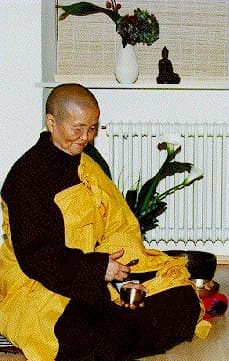
Chân Không, born Cao Ngọc Phương in 1938, is a Vietnamese Bhikkhunī and peace activist. She is recognized as one of the first members of the Order of Interbeing and co-founded the Plum Village Tradition with Thích Nhất Hạnh. Her work has focused on spiritual retreats, peace activism, and social service, particularly in Vietnam and internationally.

Acharavadee Wongsakon
Acharavadee Wongsakon is a prominent Thai lay Buddhist teacher and former entrepreneur known for her Techo Vipassana meditation technique. She founded the Knowing Buddha Organization to combat the disrespectful use of Buddha imagery and promote Buddhist morality. Her work has garnered endorsement from the National Office of Buddhism, despite facing some controversy.

Anne Rudloe
Anne Rudloe was an American marine biologist and a significant figure in Zen Buddhism. She co-founded the Gulf Specimen Marine Laboratory in Florida, dedicated to marine research and education, and was recognized for her conservation efforts. Rudloe also achieved Dharma transmission in the Kwan Um School of Zen and served as an Abbot, contributing to both scientific and spiritual communities.