
Anne Rudloe
United States·Kwan Um School of Zen·Female·20th century
Anne Rudloe was an American marine biologist and a significant figure in Zen Buddhism. She co-founded the Gulf Specimen Marine Laboratory in Florida, dedicated to marine research and education, and was recognized for her conservation efforts. Rudloe also achieved Dharma transmission in the Kwan Um School of Zen and served as an Abbot, contributing to both scientific and spiritual communities.
Key Facts
- ›Co-founder of the Gulf Specimen Marine Laboratory in Panacea, Florida.
- ›Earned a PhD in Marine Biology from Florida State University.
- ›Published five books and numerous scientific articles on marine life.
- ›Received Dharma transmission (INGA) in the Kwan Um School of Zen and became a JDPSN.
- ›Served as Abbot at the Cypress Tree Zen Center in Tallahassee, Florida.
- ›Posthumously honored by the Environmental Law Institute and the Northwest Florida Water Management District for her contributions to conservation and education.

Important Relationships
- Jack Rudloe
- William F. Hernkind
- Gulf Specimen Marine Laboratory
- Cypress Tree Zen Center
- National Geographic
- Smithsonian Magazine
- Sports Illustrated
- Natural History
- Audubon
- National Public Radio
- Butterflies On A Sea Wind: Beginning Zen
- Chicken Wars
- Priceless Florida: Natural Ecosystems and Native Species
- Shrimp: the Endless Quest For Pink Gold
- Zen In A Wild Country
- the Suwannee, Our Wild and Scenic Rivers
Panacea, Florida, Troy, Ohio, Hampton, Virginia, St. Joseph Bay, Florida, Panama City, Florida, Tallahassee, Florida
English
Dharma Transmission
About Anne Rudloe
Anne Rudloe (née Eidemiller, December 24, 1947 – April 27, 2012) was an American marine biologist, educator, and practitioner of Zen Buddhism. She is widely recognized for her significant contributions to marine science, particularly through her co-founding of the Gulf Specimen Marine Laboratory in Panacea, Florida.
Life and Career
Born Anne Eidemiller in Troy, Ohio, Rudloe grew up in Hampton, Virginia. She pursued higher education, earning a BSc in Biology from Mary Washington College and an MSc in oceanography from Florida State University. Her doctoral research in Marine Biology at Florida State University focused on the behavior of horseshoe crabs. Rudloe also underwent specialized training in underwater research and diving techniques through the U.S. Navy's "Scientists in the Sea" program, becoming the first woman to complete it.
Rudloe's career was marked by a dedication to both scientific research and public education. In 1980, she founded the Panacea Institute of Marine Science. In 1990, she co-founded the Gulf Specimen Marine Laboratory, a non-profit teaching facility where she served as managing director. The laboratory has been instrumental in educating the community about marine life, and a new education center is being built in her memory.
Contributions to Zen Buddhism
Beyond her work in marine biology, Anne Rudloe was deeply involved in Zen Buddhism. She studied within the Kwan Um School of Zen, where she received Dharma transmission (INGA) and was authorized to teach as a JDPSN (Jido Pope Sanim). She subsequently served as the Abbot at the Cypress Tree Zen Center in Tallahassee, Florida. Rudloe was also a frequent guest contributor for National Public Radio, discussing both her conservation efforts and her practice of Zen Buddhism.
Publications and Legacy
Rudloe authored five books and numerous scientific articles on subjects ranging from horseshoe crabs and sea turtles to Zen Buddhism. Her writings often aimed at a broader audience, appearing in publications such as National Geographic and Smithsonian Magazine. Her article "Trouble in Bayou Country," co-written with her husband Jack Rudloe, is frequently cited in discussions of environmental damage to the Atchafalaya Basin.
Anne Rudloe died of colon cancer in 2012. Her legacy continues through the ongoing work of the Gulf Specimen Marine Laboratory and the posthumous honors she has received, including the Environmental Law Institute's 2014 Education and Outreach/National Wetlands award and the River and Bay Champion award in 2020. Her passion for conservation and education has inspired countless individuals, particularly young students who discovered their interest in marine biology through her work.
Source: Wikipedia ↗
Frequently Asked Questions
What was Anne Rudloe's profession?
Anne Rudloe was an American marine biologist. She also became a teacher in the Zen Buddhist tradition.
What major institutions did Anne Rudloe help found or manage?
Rudloe co-founded the Gulf Specimen Marine Laboratory, a non-profit teaching laboratory, and also founded the Panacea Institute of Marine Science. She served as the managing director of the Gulf Specimen Marine Laboratory.
What were Anne Rudloe's notable contributions to marine biology?
Rudloe conducted research on horseshoe crabs, electric rays, mysid shrimp, and sea turtles. She also wrote for popular publications like National Geographic and Smithsonian Magazine, and her work contributed to understanding environmental damage to ecosystems.
What is Anne Rudloe's connection to Zen Buddhism?
Anne Rudloe studied Zen Buddhism, received Dharma transmission (INGA) to teach as a JDPSN, and became the Abbot at the Cypress Tree Zen Center in Tallahassee, Florida. She was also a frequent guest contributor for National Public Radio on the topic.
When did Anne Rudloe live and when did she pass away?
Anne Rudloe was born on December 24, 1947, and passed away on April 27, 2012.
What awards or honors did Anne Rudloe receive?
She was posthumously honored by the Environmental Law Institute with the 2014 Education and Outreach/National Wetlands award. In 2021, she was named the 2020 winner of the River and Bay Champion award by the Northwest Florida Water Management District.
Related Buddhists

Francisco Varela
Francisco Varela was a Chilean biologist, philosopher, and neuroscientist, best known for co-introducing the concept of autopoiesis to biology and for co-founding the Mind and Life Institute. This institute fosters dialogue between science and Buddhism, reflecting Varela's own engagement with Tibetan Buddhism and his work on embodied cognition and neurophenomenology.
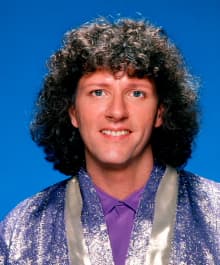
Frederick Lenz
Frederick Lenz, also known as Rama, was an American spiritual leader, writer, and producer who founded "American Buddhism." His teachings blended Tibetan Buddhism, Zen, Vedanta, and New Age ideas, emphasizing enlightenment through integrating Eastern principles into modern life. Despite a lavish lifestyle and accusations of exploitation, Lenz denied wrongdoing and died in 1998, leaving an estate that funded the Frederick P. Lenz Foundation for American Buddhism.
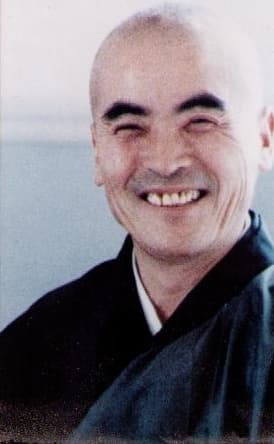
Dainin Katagiri
Jikai Dainin Katagiri was a Sōtō Zen priest and teacher who played a significant role in bringing Zen Buddhism from Japan to the United States. He is best known as the founding abbot of the Minnesota Zen Meditation Center and the founder of Hokyoji Zen Practice Community, establishing these centers during the formative years of Zen in America. Katagiri also served as an interim abbot for the San Francisco Zen Center.