
Frederick Lenz
United States·American Buddhism·Male·20th century
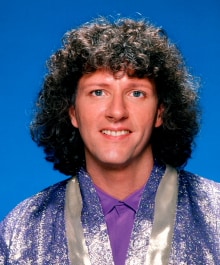
Frederick Lenz, also known as Rama, was an American spiritual leader, writer, and producer who founded "American Buddhism." His teachings blended Tibetan Buddhism, Zen, Vedanta, and New Age ideas, emphasizing enlightenment through integrating Eastern principles into modern life. Despite a lavish lifestyle and accusations of exploitation, Lenz denied wrongdoing and died in 1998, leaving an estate that funded the Frederick P. Lenz Foundation for American Buddhism.
Key Facts
- ›Founded "American Buddhism," integrating Eastern spiritual traditions with modern life.
- ›Authored novels such as "Surfing the Himalayas" and "Snowboarding to Nirvana."
- ›Worked as a software designer, advising students on computer science careers.
- ›Produced music for the rock band Zazen and composed soundtracks.
- ›Died in 1998, with his estate establishing the Frederick P. Lenz Foundation for American Buddhism.
- ›Denied accusations of cult-like activity, financial, and sexual exploitation.
Important Relationships
- Sri Chinmoy
- Frederick Lenz Jr. (father)
- Dorothy Gumaer Lenz (mother)
- Theodore Roethke (subject of dissertation)
- Phil Jackson (endorsed book)
- Tina Turner (reader of book)
- Norman Marcus (executor of will)
- Norman Oberstein (attorney)
- National Audubon Society
- Lifetimes: True Accounts of Reincarnation
- Total Relaxation: the Complete Program For Overcoming Stress, Tension, Worry, and Fatigue
- Meditation: the Bridge Is Flowing But the River Is Not
- the Wheel of Dharma
- the Last Incarnation
- Insights: Tantric Buddhist Reflections On Life
- Surfing the Himalayas
- Snowboarding To Nirvana
San Diego, California, Stamford, Connecticut, New York, Los Angeles, Old Field, New York
Sri Chinmoy, Tibetan Buddhism, Zen, Vedanta, Mysticism, New Age Ideas, Tantric Zen, Chan, Vajrayana Buddhism, Taoism, Jnana Yoga
English
Bodhisattva Vows
Spiritual Teacher, Author, Developer, Producer, Founder, Mystic
About Frederick Lenz
Frederick Lenz (1950-1998)
Frederick Lenz III, widely known as Rama and Atmananda, was an influential American spiritual leader, writer, and entrepreneur who founded what he termed "American Buddhism." Born in San Diego, California, Lenz's spiritual journey began early, with a reported samadhi experience as a toddler. He later studied under Sri Chinmoy, who gave him the name Atmananda, before establishing his own teaching center and adopting the name Rama.
Spiritual Teachings and Lifestyle
Lenz's "American Buddhism" was a syncretic system that incorporated teachings from Tibetan Buddhism, Zen, Vedanta, mysticism, and New Age philosophies. His core message centered on achieving enlightenment in the contemporary world through the integration of Eastern spiritual principles into everyday life. Unlike many Buddhist traditions, Lenz eschewed asceticism, advocating for a lavish lifestyle and encouraging his students to pursue financial independence and success. He also described his teachings as "Tantric Zen," blending aspects of various Eastern practices.
Literary and Professional Contributions
As a writer, Lenz authored several books on meditation and Buddhist philosophy, including two novels, "Surfing the Himalayas" and "Snowboarding to Nirvana," which he stated were loosely based on his experiences in Nepal. He also ventured into software design, encouraging his students to enter the field and co-designing several successful software companies. Additionally, Lenz had a music career as a producer for the rock band Zazen.
Controversies and Death
Lenz's career was marked by controversy. Some former students accused him of cult-like activities, including financial and sexual exploitation, allegations he consistently denied. No legal action was ever taken against him concerning these claims. Lenz died in an apparent suicide in 1998, drowning in Conscience Bay, New York. His death was attributed to a combination of factors, including depression following eye surgery and grief over the loss of his dog.
Legacy
Following Lenz's death, his substantial estate of approximately $23 million became the subject of a legal dispute. This ultimately led to the establishment of the Frederick P. Lenz Foundation for American Buddhism. Since 2003, the foundation has been a significant grantmaker, supporting numerous American Buddhist organizations and continuing a form of his philanthropic legacy.
Source: Wikipedia ↗
Frequently Asked Questions
Who was Frederick Lenz?
Frederick Lenz, also known as Rama, was an American spiritual leader, writer, software designer, and record producer. He is best known for founding what he termed 'American Buddhism,' which combined various Eastern spiritual traditions with contemporary ideas.
What were Frederick Lenz's main spiritual teachings?
Lenz's teachings focused on achieving enlightenment in the modern world by integrating Eastern religious principles into everyday life. He emphasized self-discovery and meditation as central practices, encouraging his students to pursue financial independence and success.
What controversial accusations were made against Frederick Lenz?
Some former followers accused Lenz of cult-like activities, including financial and sexual exploitation. Lenz consistently denied these allegations, and no civil or criminal proceedings were ever brought against him.
How did Frederick Lenz die and what happened to his estate?
Lenz died in an apparent suicide by drowning in 1998. His estate, valued at approximately $23 million, was eventually used to establish the Frederick P. Lenz Foundation for American Buddhism, which supports various Buddhist organizations.
What were Frederick Lenz's notable works?
Lenz authored several books on meditation and Buddhist philosophy, including the novels "Surfing the Himalayas" and "Snowboarding to Nirvana." He was also involved in software design and music production.
Related Buddhists
Sangharakshita
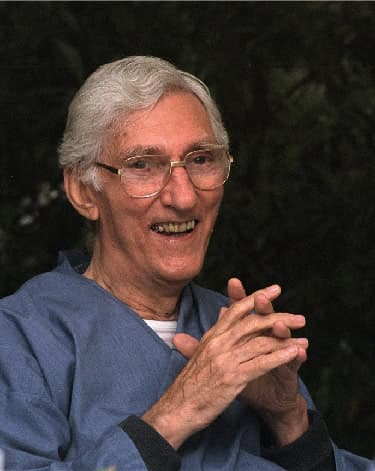
Sangharakshita, born Dennis Lingwood, was a British spiritual teacher and writer who founded the Friends of the Western Buddhist Order (FWBO), later renamed the Triratna Buddhist Community. He is recognized as a significant figure in introducing Eastern Buddhist teachings to the West through his writings and the organization he established. However, his legacy is also marked by controversy due to allegations of sexual coercion and abuse.

Ravi Dubey
Ravi Dubey is an Indian actor, model, television presenter, and producer who gained prominence for his roles in popular television dramas. He is particularly known for his leading roles in "Saas Bina Sasural" and "Jamai Raja," the latter of which established him as a leading TV actor. Beyond acting, Dubey is also a successful producer and a follower of Nichiren Buddhism.

Adyashanti
Adyashanti, born Stephen Gray, is an American spiritual teacher and author known for his teachings on awakening and embodying enlightenment. He founded Open Gate Sangha with his wife Mukti, a nonprofit organization that disseminates his talks, courses, and retreats. Adyashanti's work draws from Zen Buddhism and Christian mysticism, emphasizing a direct experience of truth beyond religious dogma.