
Ajahn Mun Bhūridatta
Thailand·Thai Forest Tradition (Kammaṭṭhāna tradition)·Male·20th century
Ajahn Mun Bhūridatta was a highly respected Thai bhikkhu credited with establishing the Thai Forest Tradition, also known as the Kammaṭṭhāna tradition. He is celebrated for his strict adherence to the Buddha's teachings, his practice of austere asceticism (dhutanga), and his laying down a path for practicing calming and insight meditation. His teachings and lineage continue to influence Buddhist practice both in Thailand and internationally.
Key Facts
- ›Born on January 20, 1870, in Ubon Ratchathani Province, Thailand.
- ›Ordained as a novice at age 15 and a fully ordained monk at age 23.
- ›Known for his rigorous practice of dhutanga (ascetic practices) and solitary meditation.
- ›Attributed with attaining full enlightenment (arahantship) in Sarika Cave, Nakhon Nayok Province.
- ›Died on November 11, 1949, at the age of 79.
- ›Revered as the Great Teacher of the Forest Tradition and the Great Patriarch of the Forest Meditation Lineage.
Important Relationships
- Ajahn Sao Kantasīlo (mentor)
- Phra Kru Wiwek Buddhakit (disciple and companion)
- Ajahn Maha Bua Ñāṇasampanno (foremost disciple)
- Luang Pu Khao Analayo (disciple)
Forest Tradition Teachings, Teachings On Samatha and Vipassana Meditation
Ubon Ratchathani Province, Nakhon Nayok Province, Chiang Mai Province, Sakon Nakhon Province, Lopburi Province, Bangkok
Buddha, Ajahn Sao KantasīLo
Thai, Pali
Bhikkhu Vows
About Ajahn Mun Bhūridatta
Ajahn Mun Bhūridatta (1870–1949) was a highly influential Thai bhikkhu revered as the "Great Teacher of the Forest Tradition." Alongside his mentor Ajahn Sao Kantasīlo, he is credited with establishing the Kammaṭṭhāna tradition, commonly known as the Thai Forest Tradition, which emphasizes rigorous meditation and ascetic practices.
Life and Practice
Born Mun Kaenkaew in Ubon Ratchathani Province, Ajahn Mun was ordained as a novice at 15 and later as a full bhikkhu at 23. He dedicated his life to the practice of Buddhist teachings, particularly adhering to austere ascetic practices known as dhutanga. He undertook extensive wandering pilgrimages throughout Thailand and into Laos and Myanmar, seeking secluded places for his meditation practice. Key locations associated with his intensive practice include Sarika Cave in Nakhon Nayok Province, where he is said to have attained full enlightenment (arahantship), and various forest hermitages in northern Thailand.
Ajahn Mun's practice was characterized by strict adherence to the Buddha's doctrine, focusing on samatha (calming meditation) and vipassana (insight meditation). He emphasized the importance of discipline, detachment, and profound introspection. Despite being offered positions of ecclesiastical rank, he consistently relinquished them to return to solitary wilderness meditation, believing that attachment to reputation hindered spiritual progress.
Legacy
Ajahn Mun's teachings and practice deeply influenced a generation of monks and laypeople. After his death, his disciples continued his meditation lineage, which became known as the Forest Meditation Tradition or the Ajahn Mun Forest Tradition. His profound meditative knowledge and attainment of the Four Types of Profound Penetration (Patisambhida) are well-documented by his disciples. He is honored as a patriarch of the Thai Forest Tradition, and his life and teachings continue to inspire Buddhist practitioners worldwide.
Source: Wikipedia ↗
Frequently Asked Questions
Who was Ajahn Mun Bhūridatta?
Ajahn Mun Bhūridatta was a prominent Thai bhikkhu who played a key role in establishing the Thai Forest Tradition of meditation. He is highly esteemed for his ascetic practices and his profound teachings on samatha and vipassana meditation.
What is the significance of the Thai Forest Tradition?
The Thai Forest Tradition, also known as the Kammaṭṭhāna tradition, was established by Ajahn Mun and his mentor Ajahn Sao Kantasīlo. This tradition emphasizes strict adherence to the Buddha's teachings, ascetic practices, and deep meditative cultivation, and has spread widely throughout Thailand and beyond.
What were some of Ajahn Mun's key practices?
Ajahn Mun was a master of dhutanga, a set of ascetic practices that he maintained throughout his life. These included wearing only patched robes, going on almsrounds daily, eating only one meal per day, and avoiding staying near villages or homes.
Where is Ajahn Mun said to have attained enlightenment?
According to his disciples, Ajahn Mun attained full enlightenment, or arahantship, while practicing in Sarika Cave in Nakhon Nayok Province. This period of practice is considered a pivotal moment in his spiritual journey.
What is Ajahn Mun's legacy?
Ajahn Mun's legacy lies in the continuation of his meditation lineage, known as the Forest Meditation Tradition or Ajahn Mun Forest Tradition. He is honored as a Great Teacher for his influence on generations of monks and laypeople seeking liberation through meditation.
Related Buddhists
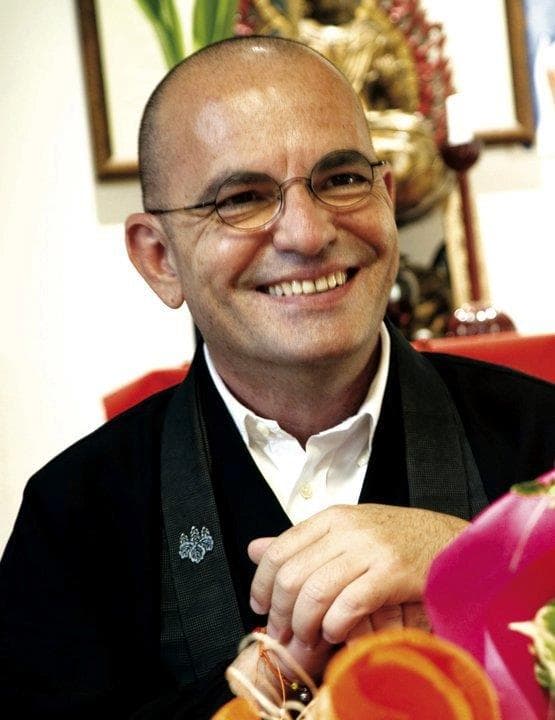
Carlo Zendo Tetsugen Serra
Carlo Zendo Tetsugen Serra is an Italian missionary Soto Zen master recognized as a Buddhist authority in Europe. He is known for founding the Sangha della foresta di Bambü, establishing monasteries in Italy, and integrating Zen Shiatsu practice into his teachings. Serra has also applied Zen principles to management and personal development, becoming a significant figure in bringing Buddhist traditions to Western society.
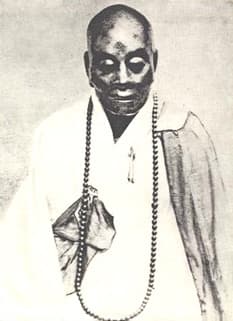
Huineng
Huineng was a pivotal, though semi-legendary, figure in early Chinese Chan Buddhism, revered as the Sixth Patriarch. Despite his illiteracy and humble origins, tradition states he attained sudden enlightenment upon hearing the Diamond Sutra and was secretly chosen as the successor to the Fifth Patriarch, Daman Hongren. He is credited with founding the "Sudden Enlightenment" Southern Chan school, emphasizing immediate insight over gradual practice, and his teachings, recorded in the influential Platform Sutra, continue to shape East Asian Buddhist thought.
Aniruddha Mahathera
Aniruddha Mahathera was a prominent Nepalese Buddhist monk and the Sangha Nayak (Patriarch) of Nepal from 1998 until his death in 2003. He was instrumental in the revival of Theravada Buddhism in Nepal and the development of Lumbini, the Buddha's birthplace, into a significant international pilgrimage site. His extensive work included developing Lumbini, translating Buddhist texts, and authoring numerous books.