
Ajahn Maha Bua
Ajahn Maha Bua was a highly respected Thai Buddhist monk and a prominent figure in the Thai Forest Tradition. Many followers believed him to be an arahant, an enlightened being, and he was considered the head monk of the tradition for many years. He was known for his direct and dynamic Dhamma talks, which focused on Buddhist meditation and the ultimate aim of ending suffering.
Key Facts
- ›He was a disciple of the esteemed forest master Ajahn Mun Bhuridatta.
- ›He was considered the head monk (Ajahn Yai) of the Thai Forest Tradition from 1994 until his death.
- ›He established Wat Pa Baan Taad, a monastery dedicated to meditation practice.
- ›His teachings focused on the nature of the citta (heart/mind) and the practice of meditation.
- ›He founded the Help Thai Nation Project, a charitable effort to support the Thai economy.
- ›He was visited and supported by King Bhumibol Adulyadej and Queen Sirikit of Thailand.

Important Relationships
- Ajahn Mun Bhuridatta
- King Bhumibol Adulyadej
- Queen Sirikit of Thailand
Biography of Ajahn Mun, 'Wisdom Develops Samadhi', 'Patipada', Transcribed Dhamma Talks
Wat Pa Baan Taad, Udon Thani Province, Mukdahan Province
Ajahn Mun Bhuridatta
Thai, Pali
Monastic Vows
About Ajahn Maha Bua
Ajahn Maha Bua (born Bua Lohitdi, 1913–2011) was a highly influential Thai Buddhist monk and a central figure in the Thai Forest Tradition. Many of his followers believed him to be an arahant, a being who has attained full enlightenment. He was a direct disciple of the renowned meditation master Ajahn Mun Bhuridatta and, following the death of Ajahn Thate, was recognized as the head monk (Ajahn Yai) of the Thai Forest Tradition lineage until his passing.
Life and Teachings
Born in Udon Thani province, Ajahn Maha Bua initially entered monkhood at his parents' request. However, after studying Buddhist scriptures and encountering the teachings of Ajahn Mun, he dedicated himself to the pursuit of enlightenment. He became known for his strict adherence to meditation practices and the Vinaya (monastic rules).
Ajahn Maha Bua established Wat Pa Baan Taad monastery in Udon Thani, which became a significant center for meditation practice. He was renowned for his fluent and direct Dhamma talks, which focused on the nature of the mind (citta), emphasizing its intrinsic purity and the path to liberation from suffering through diligent meditation. His teachings often explored concepts such as the 'nucleus of a Know-er' and the application of 'anatta' (non-self) to achieve calm and freedom from defilements.
Contributions and Legacy
Beyond his spiritual teachings, Ajahn Maha Bua also initiated the "Help Thai Nation Project," a charitable endeavor aimed at strengthening the Thai economy. His work and teachings garnered significant respect, including visits and support from King Bhumibol Adulyadej and Queen Sirikit of Thailand. His transcribed talks have been compiled into numerous books, with a selection translated into English, continuing to guide practitioners in the path of meditation and spiritual development.
Source: Wikipedia ↗
Frequently Asked Questions
Who was Ajahn Maha Bua?
Ajahn Maha Bua was a renowned Thai Buddhist monk, born Bua Lohitdi, who was a leading figure in the Thai Forest Tradition. He was widely believed by his followers to be an arahant, an enlightened being.
What was Ajahn Maha Bua known for?
He was known for his profound teachings on meditation, particularly his insights into the nature of the citta (heart/mind), and for his direct and dynamic Dhamma talks. He also established Wat Pa Baan Taad, a prominent meditation monastery.
Who was Ajahn Maha Bua's teacher?
Ajahn Maha Bua was a disciple of the esteemed forest master Ajahn Mun Bhuridatta, a highly influential meditation master in the Thai Forest Tradition.
What is the significance of Wat Pa Baan Taad?
Wat Pa Baan Taad is a monastery founded by Ajahn Maha Bua, which he intended to be a place solely for developing the mind through meditation. It preserves a remnant of wilderness within its grounds for tranquil practice.
What were Ajahn Maha Bua's key teachings?
His teachings emphasized the essential truth of the sentient being as constituted of the indestructible reality of the citta (heart/mind). He stressed the importance of meditation to cleanse the citta of defilements and to realize its intrinsically bright, clear, and deathless nature.
Related Buddhists

Ajahn Chah
Ajahn Chah was a highly respected Thai Buddhist monk and a pivotal figure in the modern Thai Forest Tradition. He is renowned for his profound teachings on the Dhamma and his instrumental role in establishing Theravada Buddhism in the West through the monasteries he founded. His legacy includes a vast collection of recorded dhamma talks and a global network of students and monastic communities.
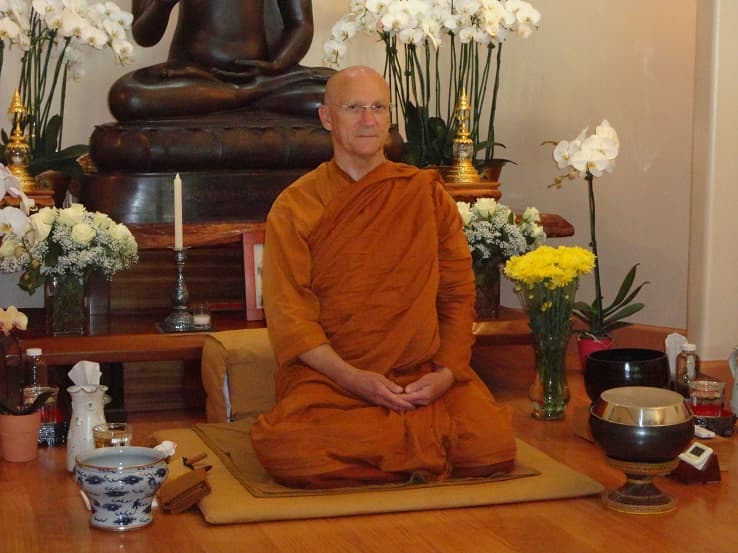
Ajahn Pasanno
Ajahn Pasanno is a highly respected Western Buddhist monk and disciple of Ajahn Chah, known for his extensive service as abbot of Wat Pah Nanachat International Forest Monastery in Thailand and later Abhayagiri Monastery in California. He has been instrumental in training monks and supporting monastic traditions in both countries, receiving significant Thai honorific titles for his contributions.
Chögyam Trungpa Rinpoche
Chögyam Trungpa Rinpoche was a Tibetan Buddhist master and a significant figure in introducing Tibetan Buddhism, particularly the Vajrayana teachings, to the West. He founded institutions like Vajradhatu and Naropa University and developed the Shambhala Training method, aiming to integrate Buddhist principles into everyday life. Despite his influential teachings and role in establishing Buddhist communities in North America, his methods and personal conduct, including heavy drinking and sexual misconduct allegations, generated considerable controversy.