
Ajahn Chah
Ajahn Chah was a highly respected Thai Buddhist monk and a pivotal figure in the modern Thai Forest Tradition. He is renowned for his profound teachings on the Dhamma and his instrumental role in establishing Theravada Buddhism in the West through the monasteries he founded. His legacy includes a vast collection of recorded dhamma talks and a global network of students and monastic communities.
Key Facts
- ›Born in Ubon Ratchathani, Thailand, in 1918.
- ›Ordained as a novice at age nine and as a monk at age 20.
- ›Practiced as a wandering ascetic monk in the Thai Forest Tradition after 1946.
- ›Founded Wat Nong Pah Pong monastery in 1954 and Wat Pah Nanachat in 1975.
- ›Played a key role in establishing Cittaviveka (Chithurst Buddhist Monastery) in the UK in 1979.
- ›Passed away on January 16, 1992, after a decade of illness.

Important Relationships
- Still Flowing Water: Eight Dhamma Talks
- the Path To Peace
- Clarity of Insight
- A Still Forest Pool: the Insight Meditation of Achaan Chah
- Being Dharma: the Essence of the Buddha's Teachings
- Food For the Heart
- Everything Is Teaching Us
- Living Dhamma
- A Taste of Freedom
- On Meditation
- Bodhinyana
- Meditation: A Collection of Talks On Cultivating the Mind
- the Training of the Heart
- Our Real Home
Ubon Ratchathani, Wat Nong Pah Pong, Wat Pah Nanachat, Cittaviveka, United Kingdom
Ajahn Mun Bhuridatta
Thai
Novice Vows, Monk Vows
About Ajahn Chah
Ajahn Chah (1918–1992) was a highly influential Thai Buddhist monk and a pivotal teacher of the Buddhadhamma. Revered in Thailand for his wisdom, he was also instrumental in introducing Theravada Buddhism to the Western world. His teachings, characterized by simplicity and a focus on direct practice, have resonated globally, leading to the establishment of numerous monasteries and meditation centers.
Life and Context
Born Chah Chuangchot near Ubon Ratchathani in northeastern Thailand, he entered monastic life as a novice at the age of nine. He was ordained as a monk in 1939 and later embraced the austere life of a wandering ascetic within the Thai Forest Tradition. This period involved extensive meditation practice and study under eminent teachers, including Ajahn Mun Bhuridatta, a leading figure in the tradition. Ajahn Chah's practice emphasized developing insight through contemplation of impermanence and death, often in secluded forest environments.
Founding Monasteries and Spreading the Dhamma
In 1954, Ajahn Chah established Wat Nong Pah Pong monastery near his birthplace, which became a significant center for his teachings and attracted a diverse range of disciples, including the first Westerner, Ajahn Sumedho, in 1966. Recognizing the need for a monastic environment tailored for English-speaking practitioners, he inspired the founding of Wat Pah Nanachat (International Forest Monastery) in 1975. His influence extended to the West when he and Ajahn Sumedho visited the United Kingdom in 1977, leading to the establishment of Cittaviveka (Chithurst Buddhist Monastery) in 1979. The Forest Tradition of Ajahn Chah has since spread throughout Europe, the United States, and the British Commonwealth, with many of his Western students founding monasteries worldwide.
Later Years and Legacy
By the early 1980s, Ajahn Chah's health began to decline due to diabetes. He faced paralysis and was bedridden and unable to speak for the last ten years of his life. He used his illness as a profound teaching, highlighting the impermanence of all conditioned phenomena and urging his students to seek refuge within themselves. His passing in 1992 was marked by a funeral attended by over a million people. Ajahn Chah left behind a rich legacy of Dhamma talks, a devoted following of students, and a network of monasteries that continue to propagate his teachings.
Source: Wikipedia ↗
Frequently Asked Questions
What is Ajahn Chah's full name and monastic title?
Ajahn Chah's birth name was Chah Chuangchot. His Dhamma name was Subhaddo, and his monastic title was Phra Bodhiñāṇathera.
Where and when was Ajahn Chah born?
Ajahn Chah was born on June 17, 1918, near Ubon Ratchathani in the Isan region of northeast Thailand.
What is the Thai Forest Tradition?
The Thai Forest Tradition is a branch of Theravada Buddhism known for its strict adherence to monastic rules (vinaya), ascetic practices, and emphasis on meditation and awareness of impermanence.
What monasteries did Ajahn Chah found?
Ajahn Chah founded Wat Nong Pah Pong monastery in Thailand and was instrumental in the founding of Wat Pah Nanachat (International Forest Monastery) and Cittaviveka (Chithurst Buddhist Monastery) in the United Kingdom.
How did Ajahn Chah influence Buddhism in the West?
Ajahn Chah was instrumental in establishing Theravada Buddhism in the West by founding monasteries in Europe and North America, which became centers for training Westerners in the monastic Vinaya and Buddhist practice.
What was Ajahn Chah known for in his later life?
In his later years, Ajahn Chah suffered from declining health due to diabetes, which he used as a teaching point on impermanence. He remained bedridden and unable to speak for ten years until his death.
Related Buddhists

Ajahn Maha Bua
Ajahn Maha Bua was a highly respected Thai Buddhist monk and a prominent figure in the Thai Forest Tradition. Many followers believed him to be an arahant, an enlightened being, and he was considered the head monk of the tradition for many years. He was known for his direct and dynamic Dhamma talks, which focused on Buddhist meditation and the ultimate aim of ending suffering.
Hsing Yun
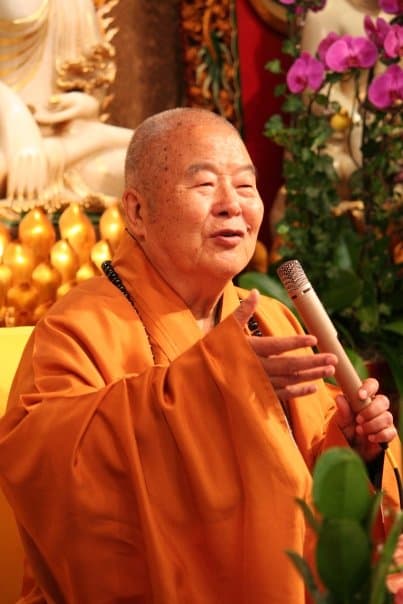
Hsing Yun was a prominent Chinese Buddhist monk, teacher, and philanthropist who founded the Fo Guang Shan monastic order and the Buddha's Light International Association. He was a leading proponent of Humanistic Buddhism and one of the most influential figures in modern Taiwanese Buddhism, known for his efforts to modernize Buddhist teachings and engage with contemporary society through various media and social welfare initiatives.
Ajahn Pasanno
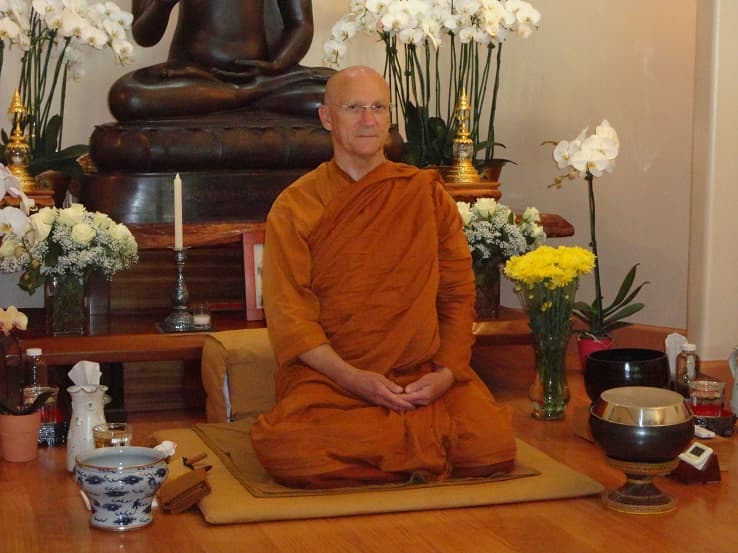
Ajahn Pasanno is a highly respected Western Buddhist monk and disciple of Ajahn Chah, known for his extensive service as abbot of Wat Pah Nanachat International Forest Monastery in Thailand and later Abhayagiri Monastery in California. He has been instrumental in training monks and supporting monastic traditions in both countries, receiving significant Thai honorific titles for his contributions.