
Wat Phra Singh
Wat Phra Singh, officially Wat Phra Singh Woramahaviharn, is a significant Buddhist temple located in Chiang Mai, Northern Thailand. It is renowned for housing the revered image of Phra Buddha Sihing, making it a crucial site for religious devotion and pilgrimage. The temple's history is deeply intertwined with the royal lineage of the Lan Na kingdom and has undergone several restorations and expansions throughout the centuries.
Key Facts
- ›Constructed in 1345 by Phayu, fifth king of Lan Na, to inter his father's ashes.
- ›Originally known as Wat Lee Chiang Phra due to its location near a marketplace.
- ›Renamed Wat Phra Singh after the Phra Phuttha Sihing image was enshrined there in 1400.
- ›Restored significantly after the Burmese occupation by King Kawila in 1791.
- ›Underwent further renovations led by Khruba Siwichai in the early 1920s.
- ›Granted status as a Royal temple of the first grade in 1935 by Ananda Mahidol (Rama VIII).

Important Relationships
- Phayu (King of Lan Na)
- Khamfu (Father of Phayu)
- Maha Phrom (Ruler of Chiang Rai)
- Saenmueangma (King of Lan Na)
- Kawila (King of Chiang Mai)
- Khruba Siwichai
- Ananda Mahidol (Rama VIII)
- Image of Phra Buddha Sihing
- Viharn Luang
- Viharn Lai Kham
- Lanna-Style Architecture
- Pigment-Painted Murals Depicting Sang Thong and Suwannahongse
- Construction In 1345
- Enshrinement of Phra Phuttha Sihing In 1400
- Restoration Efforts After Burmese Occupation
- Renovations By Khruba Siwichai
- Designation As A Royal Temple of the First Grade
Lanna
About Wat Phra Singh
Wat Phra Singh, known formally as Wat Phra Singh Woramahaviharn, is a prominent Buddhist temple situated in the western part of the old city center of Chiang Mai, Northern Thailand. Its significance is deeply rooted in its role as the sanctuary for the revered image of Phra Buddha Sihing, a sacred artifact that draws many devotees and pilgrims. The temple's history is rich, stretching back to the 14th century and closely connected to the ruling dynasties of the Lan Na kingdom.
History and Construction
The temple was originally constructed in 1345 by King Phayu, the fifth ruler of Lan Na from the Mangrai dynasty. His intention was to inter the ashes of his father, Khamfu, within a stupa at the site. Initially, the temple was referred to as Wat Lee Chiang Phra, a name derived from the market that operated in front of it. The temple acquired its current name, Wat Phra Singh, in 1400 when the image of Phra Phuttha Sihing (also known as Phra Singh) was brought from Chiang Rai and enshrined there. Following a period of Burmese rule and subsequent abandonment of Chiang Mai, the temple, like many others, fell into disrepair. Restoration efforts began in the late 18th century under King Kawila, who initiated the rebuilding of Chiang Mai and its sacred sites. Further significant renovations were undertaken in the early 1920s by the respected monk Khruba Siwichai as part of his broader campaign to revitalize Buddhism in the Lan Na region.
Notable Structures and Features
Wat Phra Singh is distinguished by several key structures, most notably its viharns. The Viharn Luang, the main assembly hall, was rebuilt in 1924 and features classic Lanna-style architecture, including a solid teak wood roof, decorative motifs, and multiple entrances and windows. It houses the Phra Sri Sanphet statue. The Viharn Lai Kham, constructed between 1815 and 1821, is particularly celebrated for its exceptional architecture and the intricate gold leaf and lacquer sculptures adorning its pillars and timber structures. This viharn is the primary location for the enshrined Phra Buddha Sihing image. Inside Viharn Lai Kham, visitors can also find pigment-painted murals that narrate the tales of Sang Thong and Suwannahongse, adding to the temple's artistic and religious value.
Significance and Recognition
Wat Phra Singh is a vital center for Buddhist practice and a significant pilgrimage destination. Its historical association with royalty is underscored by its designation as a Royal temple of the first grade in 1935 by Ananda Mahidol, also known as Rama VIII. The temple's architectural beauty, religious importance, and historical legacy make it a cornerstone of Chiang Mai's cultural heritage.
Source: Wikipedia ↗
Frequently Asked Questions
When was Wat Phra Singh founded?
Wat Phra Singh was constructed in 1345 by King Phayu of the Lan Na dynasty. The construction was initiated to house the ashes of his father, Khamfu.
What is the significance of the Phra Buddha Sihing image?
The Phra Buddha Sihing image, also known as Phra Singh, is a highly revered Buddha statue that was enshrined at the temple in 1400. Its presence is the primary reason for the temple's name and its importance as a pilgrimage site.
What architectural styles are present at Wat Phra Singh?
The temple predominantly features Lanna-style architecture. Notable examples include the Viharn Luang with its teak wood roof and swan-tail motifs, and Viharn Lai Kham adorned with intricate gold leaf and lacquer sculptures.
Has the temple always been called Wat Phra Singh?
No, the temple was originally known as Wat Lee Chiang Phra due to its location near a market. It was renamed Wat Phra Singh after the Phra Phuttha Sihing image was enshrined there.
Who was involved in the restoration of Wat Phra Singh?
Key figures in the temple's restoration include King Kawila, who began rebuilding efforts after the Burmese occupation, and Khruba Siwichai, who led significant renovations in the early 1920s.
Related Buddhist Temples

Wat Suan Dok
Wat Suan Dok, meaning "flower garden temple," is a significant Buddhist temple in Chiang Mai, northern Thailand, established in 1370 CE. It holds the status of a Royal Temple of the Third Class and is notable for its large Sri Lankan-style chedi, which is said to house a relic of the Buddha. The temple grounds also host the Chiang Mai campus of the Buddhist Mahachulalongkornrajavidyalaya University.

Wat Chedi Luang
Wat Chedi Luang is a significant Buddhist temple located in the historic center of Chiang Mai, Thailand. Originally comprising three temples, its centerpiece is a monumental ruined stupa that was once the largest structure in the Lan Na kingdom, making it a key historical and architectural landmark in the region.
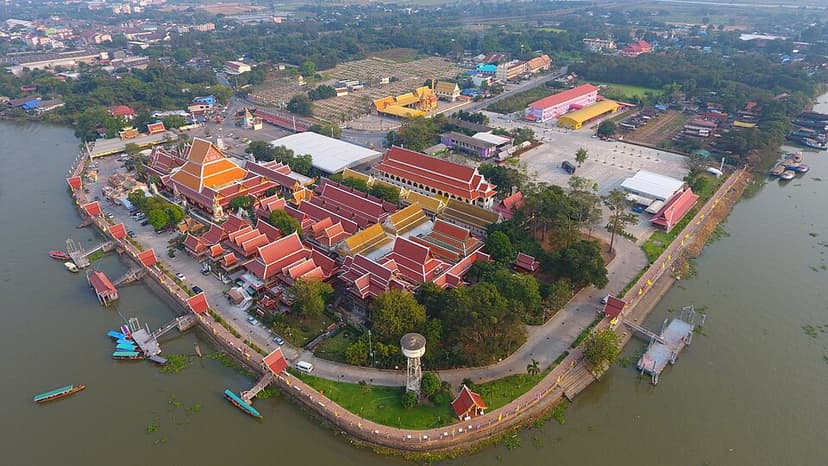
Wat Phanan Choeng
Wat Phanan Choeng is a significant Buddhist temple located in Ayutthaya, Thailand, built in 1324, predating the official founding of the city. It is renowned for its immense 19-meter gilded seated Buddha statue, Luang Pho Tho, and holds historical importance as a site visited by Chinese Admiral Zheng He and as a testament to early settlement in the region.