
Khruba Siwichai
Thailand·Northern Thai Buddhism·Male·20th century
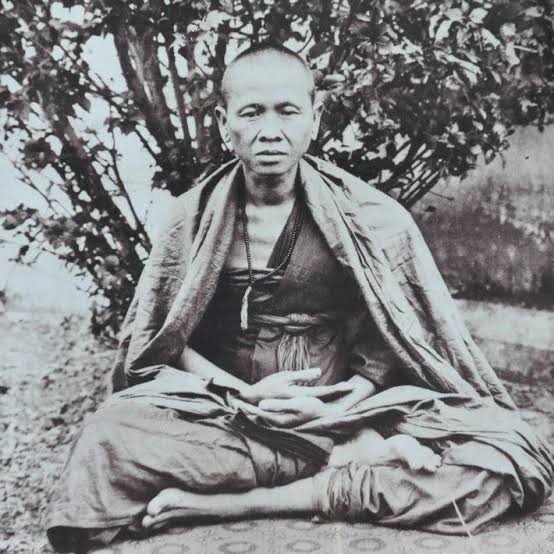
Khruba Siwichai was a revered Thai Buddhist monk born in 1878, renowned for his extensive temple construction projects, charismatic leadership, and defiance of religious and state authorities. He is celebrated for his compassion, ascetic practices, and his role as a "monk of the people," inspiring widespread devotion and contributing significantly to the Buddhist landscape of Northern Thailand.
Key Facts
- ›Born in 1878 in Lamphun Province, Northern Thailand.
- ›Ordained as a novice at 18 and as a monk in 1899, taking the name Phra Siwichai.
- ›Responsible for the construction and restoration of over one hundred temples, roads, and bridges.
- ›Experienced conflict with the Sangha and Siamese state, leading to periods of imprisonment.
- ›Died in 1939 from exhaustion and illness, with his body cremated in 1946.
- ›His legacy is honored through museums and shrines in many temples he helped build.
Important Relationships
- Khruba Khattiya (teacher)
Lamphun Province, Chiang Mai Province, Wat Ban Pang, Wat Sri Don Chai Sai Mun Bun Rueng, Doi Suthep, Suan Dok Temple, Camthewi Temple, Wat Phra Singha, Wat Phra That Haripunchai
Bhikkhu
Holy Man, Devotion Figure
About Khruba Siwichai
Khruba Siwichai (1878–1939) was a prominent Thai Buddhist monk, widely revered in Northern Thailand for his extensive contributions to religious architecture and his charismatic leadership. Born In Fuen or Fahong in the village of Ban Pang, Lamphun Province, he was ordained as a novice at eighteen and as a monk in 1899, adopting the religious name Phra Siwichai. He became known as Khruba Siwichai, a title of respect.
Life and Work
Khruba Siwichai's life was marked by a deep commitment to Buddhism and a unique ability to mobilize popular support for his projects. He is credited with the construction and restoration of over one hundred temples, roads, and bridges, transforming the religious landscape of Northern Thailand. Among his most notable constructions are temples on Doi Suthep, Suan Dok temple in Chiang Mai, and the reliquary at Camthewi temple in Lamphun. Villagers were encouraged to donate labor and resources as acts of merit, solidifying his status as a "monk of the people" and a "holy man."
His ascetic practices, including consuming only one vegetarian meal a day and abstaining from habits like chewing betel and smoking, further enhanced his reputation. Many followers attributed miraculous powers to him, referring to him as a bodhisatta, though Khruba Siwichai himself consistently denied such abilities.
Conflict with Authorities
Khruba Siwichai's independent spirit and actions often placed him at odds with the established religious hierarchy and the secular state. His ordinations of monks and novices without the required official permissions led to confrontations with the Sangha and the Siamese government. These conflicts resulted in periods of imprisonment, notably in Lamphun. Despite these challenges, his popularity among the populace often led to interventions from higher authorities, including the Supreme Patriarch in Bangkok, who sometimes recognized the validity of his actions or the severity of his punishment.
Legacy
Khruba Siwichai died in 1939 from exhaustion and illness. His body was cremated in 1946, an event reportedly marked by unusual weather phenomena, further cementing his saintly image for many. Today, his legacy endures through numerous shrines and museums dedicated to him, most notably at Wat Ban Pang. His likeness is depicted in bronze statues and long shrines found in many of the temples he built or restored, ensuring his memory remains vivid for generations of Buddhists in Northern Thailand.
Source: Wikipedia ↗
Frequently Asked Questions
What is Khruba Siwichai known for?
Khruba Siwichai is best known for his extensive work in building and restoring temples, his charismatic personality, and his political conflicts with local authorities. He was considered a "monk of the people" and inspired great devotion.
Where was Khruba Siwichai born?
Khruba Siwichai was born in the village of Ban Pang, Li District, in Lamphun Province of northern Thailand.
What led to Khruba Siwichai's conflicts with authorities?
He came into conflict with the Sangha and the Siamese state primarily for ordaining monks and novices without official permission, which was a violation of the Sangha Act of 1902. He also faced issues with secular officials denying ordination licenses.
How many religious and non-religious projects did Khruba Siwichai undertake?
Khruba Siwichai was involved in the repair and construction of more than one hundred religious and non-religious projects, including temples, roads, and bridges.
When did Khruba Siwichai die, and how is he remembered?
Khruba Siwichai died on February 21, 1939, at the age of 61. He is remembered today through museums, shrines, and statues in many of the temples he helped build, with Wat Ban Pang serving as a museum dedicated to his life and work.
Related Buddhists
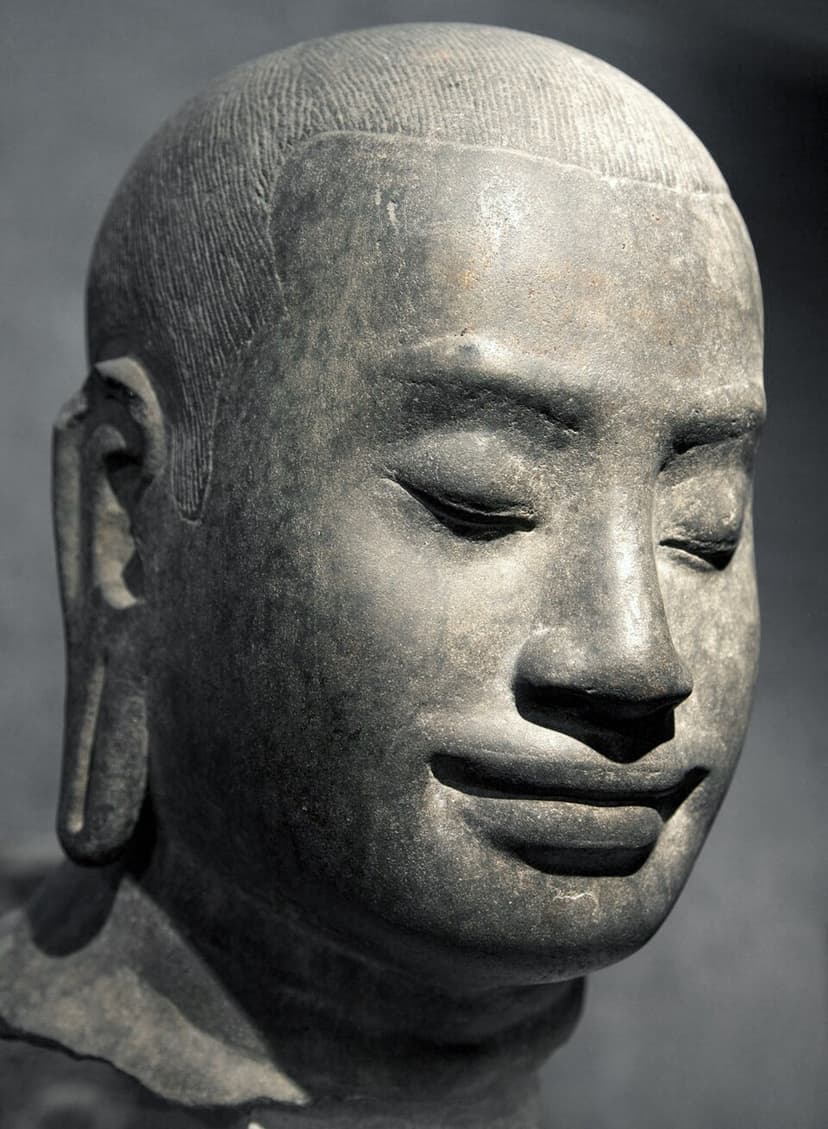
Jayavarman VII
Jayavarman VII was the most powerful monarch of the Khmer Empire, reigning from 1181 to around 1218. As the first Khmer king devoted to Mahayana Buddhism, he initiated a welfare state and commissioned extensive public works, including hospitals and temples, aimed at alleviating human suffering. His reign is marked by monumental construction projects, most notably the Bayon temple and the city of Angkor Thom, and significant military achievements, including the conquest of Champa.
Phra Phimontham
Phra Phimontham was a prominent Thai monk of the Mahanikay order, known for his advocacy of vipassana meditation and his pro-democratic stance. He served as abbot of Wat Mahathat in Bangkok and was a significant figure in promoting meditation practices in Thailand. His political leanings and popularity led to conflict with the Thai government and conservative elements within the sangha, resulting in his forceful disrobing and imprisonment.
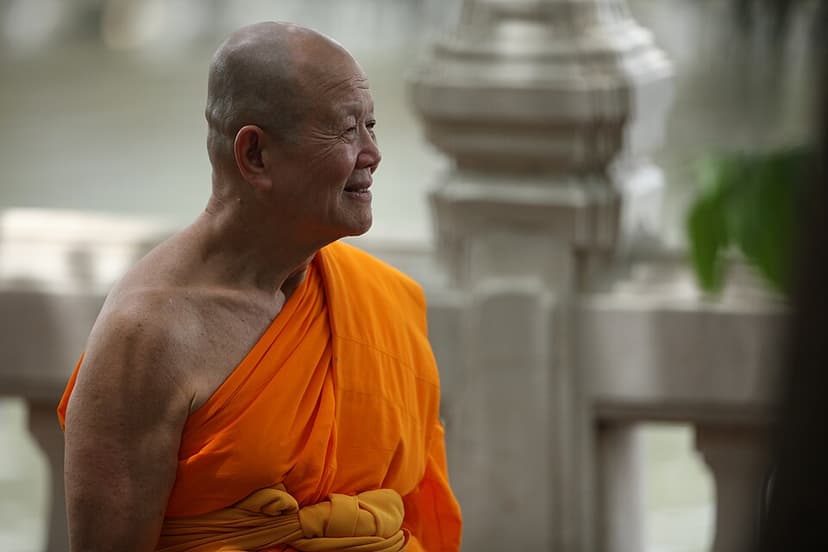
Luang Por Dattajivo
Luang Por Dattajivo is a prominent Thai Buddhist monk, widely recognized as the former deputy-abbot and observing abbot of Wat Phra Dhammakaya. He is known for his prolific authorship on Buddhist philosophy, particularly "Buddhist economics," and his significant role in the management and construction of Wat Phra Dhammakaya. His life has been deeply intertwined with his teachers, Mae chi Chandra Khonnokyoong and Luang Por Dhammajayo, and he has been a key figure in the Dhammakaya Foundation.