
Vĩnh Nghiêm Pagoda
Vĩnh Nghiêm Pagoda is a significant Buddhist temple located in Ho Chi Minh City, Vietnam, notable for being the first pagoda in the country built in a traditional Vietnamese architectural style using concrete. It houses important Buddhist figures and features a prominent seven-story tower, making it a key religious and architectural landmark.
Key Facts
- ›Constructed using concrete in a traditional Vietnamese architectural style.
- ›Features a 40-meter-high, seven-story tower, the pagoda's tallest structure.
- ›Houses statues of Gautama Buddha, Manjusri, and Samantabhadra.
- ›Founded in 1964 by monks Thích TâM GiáC and Thích Thanh KiểM.
- ›Modeled after the 11th-century Vĩnh NghiêM Pagoda in BắC Giang Province.
- ›Received the Peace Bell from a monk of Entsuji Temple in Fukushima, Japan.
Important Relationships
- Entsuji Temple
- Japan-Vietnam Friendship Association
- Vĩnh Nghiêm Pagoda (Bắc Giang Province)
7-Story Tower, Peace Bell
Traditional Vietnamese Architecture, Concrete Construction
About Vĩnh Nghiêm Pagoda
Vĩnh Nghiêm Pagoda is a significant Buddhist temple located at 339 Nam Kỳ Khởi Nghĩa Street in Ho Chi Minh City, Vietnam. Covering an area of 6,000 square meters, it holds the distinction of being the first pagoda in Vietnam to be constructed in the traditional Vietnamese architectural style, uniquely employing concrete as its primary building material. The pagoda is a prominent religious and architectural landmark within the city.
History and Construction
The construction of Vĩnh Nghiêm Pagoda was initiated in 1964 by two monks, Thích Tâm Giác and Thích Thanh Kiểm, who had relocated from North Vietnam to the South to propagate Buddhism. The design and inspiration for this pagoda were drawn from the 11th-century Vĩnh Nghiêm Pagoda situated in Đức La Village, Bắc Giang Province. That historical pagoda, dating back to the Lý dynasty, was located in a region that was once a major center for Buddhist scholarship and the Trúc Lâm sect of Vietnamese Buddhism.
Key Features and Significance
Among its notable features, Vĩnh Nghiêm Pagoda boasts a striking seven-story tower that reaches a height of 40 meters, making it the tallest structure within the complex. The pagoda serves as a place of worship for several key Buddhist figures, including Gautama Buddha, Manjusri, and Samantabhadra. The pagoda also houses the Peace Bell, a significant artifact donated by a monk from Entsuji Temple in Fukushima, Japan. The construction of the seven-story tower was further supported by the Japan-Vietnam Friendship Association, highlighting international cooperation in its development. Vĩnh Nghiêm Pagoda stands as a testament to the enduring practice of Buddhism in Vietnam and its adaptation through architectural innovation.
Source: Wikipedia ↗
Frequently Asked Questions
When was Vĩnh Nghiêm Pagoda built?
Construction of Vĩnh Nghiêm Pagoda began in 1964. It was initiated by two monks who came from North Vietnam to spread Buddhism in the southern part of the country.
What is the architectural style of Vĩnh Nghiêm Pagoda?
Vĩnh Nghiêm Pagoda is unique as the first pagoda in Vietnam to be built in a traditional Vietnamese architectural style, but notably, it was constructed using concrete. This blend of traditional form and modern material is a defining characteristic.
What are the main structures within Vĩnh Nghiêm Pagoda?
The most prominent structure is the seven-story tower, which stands at 40 meters high, making it the tallest building within the pagoda complex. The pagoda also houses important religious figures for worship.
What Buddhist figures are venerated at Vĩnh Nghiêm Pagoda?
Vĩnh Nghiêm Pagoda is dedicated to the worship of three main figures: Gautama Buddha, along with two Bodhisattvas, Manjusri and Samantabhadra.
Is there any international connection to Vĩnh Nghiêm Pagoda?
Yes, the Peace Bell at Vĩnh Nghiêm Pagoda was a donation from a monk of Entsuji Temple in Fukushima, Japan. Furthermore, the construction of the seven-story tower received assistance from the Japan-Vietnam Friendship Association.
Related Buddhist Temples
Ấn Quang Temple
Ấn Quang Temple, also known as Chùa Ấn Quang, is a significant Buddhist center in Ho Chi Minh City, Vietnam, established in 1948. It has served as a vital hub for the development of modern Vietnamese Buddhism, hosting the School of Buddhist Studies and acting as the headquarters for the Unified Buddhist Church of Vietnam. Its importance is underscored by the numerous Dharma teachers and thousands of monks and nuns who received their training there, and it continues to function as a headquarters for the Ho Chi Minh City Buddhist Sangha.
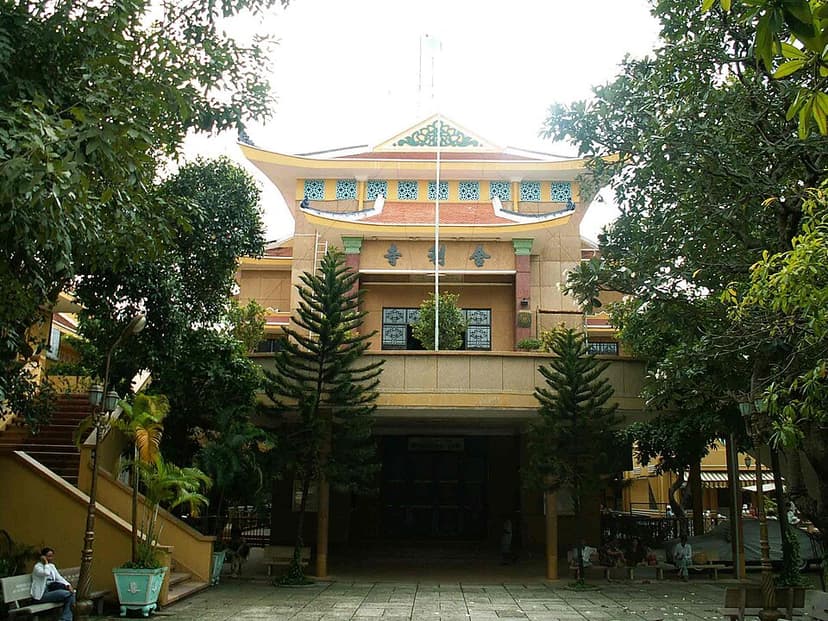
Xá Lợi Pagoda
Xá Lợi Pagoda is the largest Buddhist temple in Ho Chi Minh City, Vietnam, constructed in 1956. It served as the central headquarters for Buddhism in South Vietnam and is named after śarīra, a term for Buddhist relics, which it was built to enshrine. The pagoda gained notoriety for being the site of raids by government forces in 1963 during protests against religious persecution.
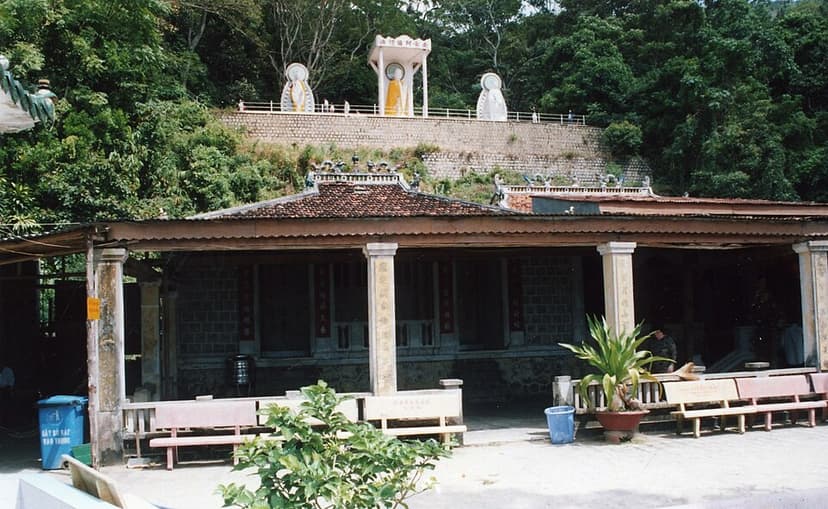
Tà Cú Pagoda
Tà Cú Pagoda is a Buddhist temple located on Tà Cú mountain in Bình Thuận Province, Vietnam. It is most notably home to the longest reclining Buddha statue in Vietnam, a significant work of art and a popular tourist attraction.