
Upali Ordination Hall
The Upali Ordination Hall is a significant Buddhist ordination hall located in Myanmar, renowned for its exceptionally well-preserved interior frescoes from the Konbaung Dynasty. Originally built during the reign of King Anawrahta and consecrated by monks from Ceylon, its interior was later adorned with detailed murals depicting Buddhas, Jataka tales, and monastic discipline.
Key Facts
- ›Located midway between Bagan and Nyaung U in Myanmar.
- ›Features well-preserved Konbaung Dynasty interior frescoes.
- ›Originally built during the reign of King Anawrahta.
- ›Consecrated by four monks from Ceylon, led by Upali Thera.
- ›Exterior was altered during the reign of Bodawpaya.
- ›Interior frescoes were completed in 1795, depicting the 28 past Buddhas, Jataka tales, and monastic rehabilitation.

Important Relationships
- King Anawrahta
- Upali Thera
- Bodawpaya
Konbaung Dynasty Interior Frescoes, Depictions of 28 Past Buddhas, Scenes From Jataka Tales, Depiction of Monastic Rehabilitation
- Built During the Reign of King Anawrahta.
- Consecrated By Monks From Ceylon Led By Upali Thera.
- Exterior Altered During the Reign of Bodawpaya.
- Interior Frescoes Begun On March 4, 1794, and Completed A Year Later.
About Upali Ordination Hall
The Upali Ordination Hall is a significant Buddhist structure located in Myanmar, situated midway between the historically important cities of Bagan and Nyaung U. It is particularly celebrated for its remarkably preserved interior frescoes, which are a testament to the artistry of the Konbaung Dynasty.
History and Construction
The ordination hall's origins trace back to the reign of King Anawrahta, a pivotal monarch in Burmese history. Its consecration was a notable event, performed by four distinguished monks who had journeyed from Ceylon (present-day Sri Lanka), with Upali Thera leading the delegation. This connection to Upali Thera is believed to be the source of the hall's name. While its foundation dates to this early period, the exterior of the hall saw modifications during the reign of King Bodawpaya. The most striking artistic feature, the interior frescoes, were undertaken much later, with work commencing on March 4, 1794, and concluding a year later in 1795.
Interior Frescoes
The interior artwork of the Upali Ordination Hall is divided into three distinct tiers, each serving a unique narrative and didactic purpose. The highest tier is adorned with depictions of the 28 past Buddhas, all rendered in the bhūmisparśa mudra, a gesture signifying enlightenment and touching the earth. The middle tier showcases vibrant scenes drawn from the Jataka tales, which recount the previous lives of the Buddha. The lowest tier focuses on the practicalities of monastic life, illustrating the rehabilitation of a Buddhist monk who had transgressed the Vinaya, the monastic code of conduct. These frescoes provide invaluable insights into Buddhist cosmology, narrative traditions, and monastic discipline as understood during the Konbaung period.
Source: Wikipedia ↗
Frequently Asked Questions
Where is the Upali Ordination Hall located?
The Upali Ordination Hall is situated in Myanmar, approximately midway between the ancient cities of Bagan and Nyaung U.
What is the Upali Ordination Hall most famous for?
It is most renowned for its exceptionally well-preserved interior frescoes, dating back to the Konbaung Dynasty. These murals offer detailed depictions of Buddhist narratives and teachings.
When was the ordination hall built and by whom?
The ordination hall was originally built during the reign of King Anawrahta. It was consecrated by four monks from Ceylon, led by Upali Thera, which is how it likely derives its name.
What do the interior frescoes depict?
The frescoes showcase three tiers of imagery: the highest tier depicts the 28 past Buddhas in the bhūmisparśa mudra, the middle tier illustrates scenes from the Jataka tales, and the lowest tier portrays the rehabilitation of a monk who has broken Vinaya rules.
Were there any modifications made to the hall?
Yes, the exterior of the ordination hall underwent alterations during the reign of Bodawpaya. The interior frescoes themselves were a later addition, completed in 1795.
Related Buddhist Temples
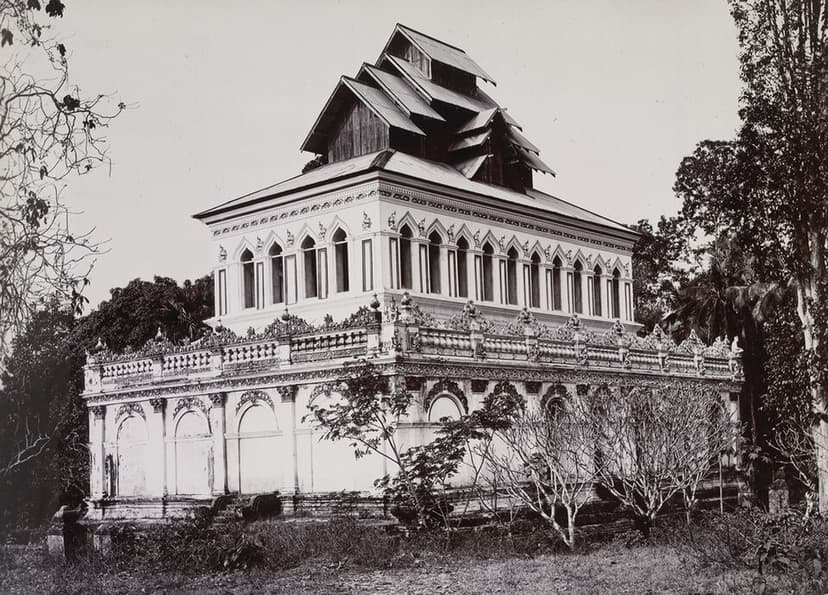
Kalyani Ordination Hall
The Kalyani Ordination Hall is a significant Buddhist site in Bago, Myanmar, renowned for housing the Kalyani Inscriptions. These inscriptions, dating back to 1480, are crucial historical records of Theravada Buddhism. The hall itself, originally built in 1476 by King Dhammazedi to purify the Sangha, has been destroyed and reconstructed multiple times, with its current form dating from 1954.

Ananda Temple
The Ananda Temple, built in Bagan, Myanmar in 1105 AD, is a significant Buddhist temple renowned for its architectural fusion of Mon and Indian styles. It is celebrated for its four standing Buddha statues, intricate stone sculptures, and glazed terra-cotta plaques depicting Jataka tales, serving as a "veritable museum of stones" and a testament to Theravada Buddhism. The temple, though damaged by an earthquake in 1975, has been fully restored and remains a highly revered site and a cultural icon of Myanmar.
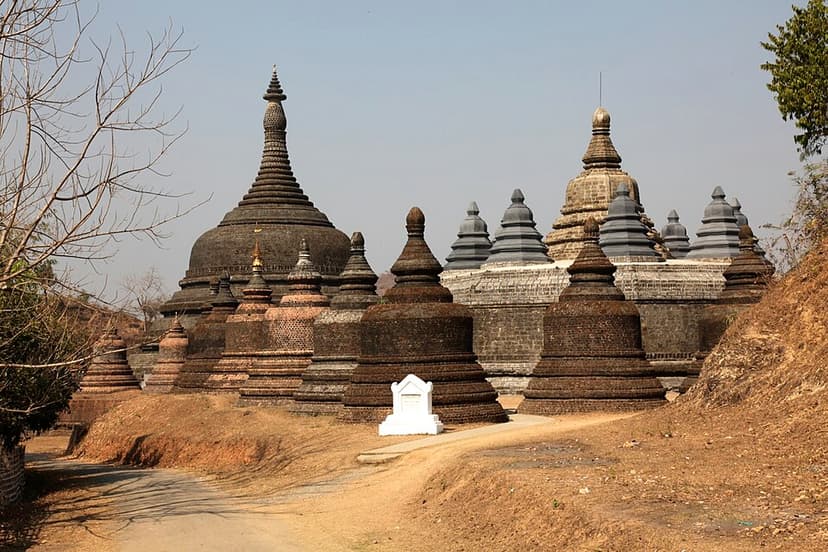
Andaw-thein Temple
Andaw-thein Temple, meaning 'Tooth Shrine,' is a significant Buddhist temple located in Mrauk U, Myanmar. Originally built as an ordination hall, it was later expanded to house a sacred tooth relic of the Buddha, brought from Sri Lanka. Its unique architecture and the presence of diverse reliefs highlight a blend of Buddhist and Hindu influences.