
Nechung
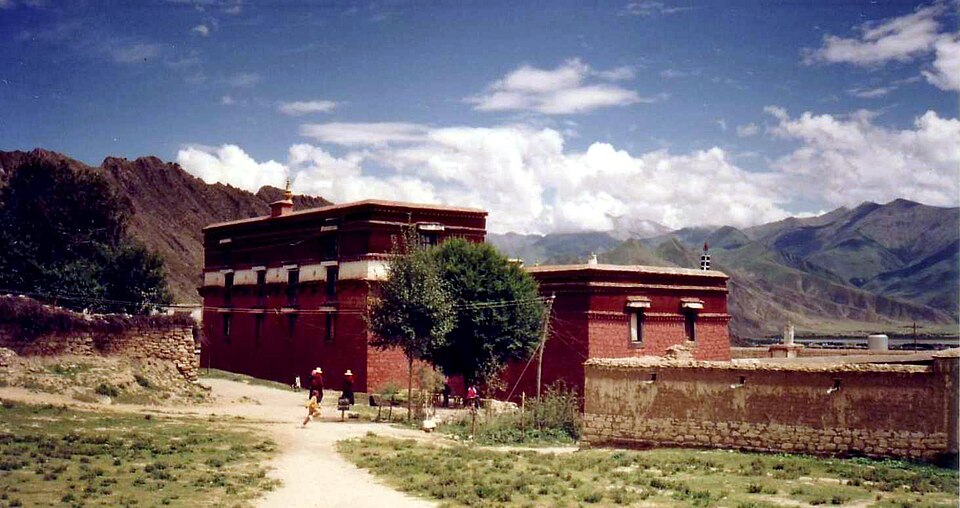
Nechung Monastery, also known as Nechung Gompa, is historically the seat of the State Oracle of Tibet and the residence of the protector deity Pehar Gyalpo. It played a crucial role in Tibetan governance and religious life, with the Dalai Lamas traditionally consulting the Oracle before making major decisions. Although largely destroyed during the Cultural Revolution, it has since been restored and continues to be a significant religious site.
Key Facts
- ›Nechung Monastery served as the seat of the State Oracle of Tibet until 1959.
- ›It was the residence of Pehar Gyalpo, a protector deity of the Gelug school and other Tibetan traditions.
- ›The monastery was first established as the residence of Pehar, who was brought to Tibet to protect the dharma.
- ›The Fifth Dalai Lama relocated Pehar from Samye Monastery to the current site of Nechung.
- ›While the State Oracle is a Nyingma monk, he is adopted by the Gelugpas and serves as a medium for Dorje Drakden, an aspect of Pehar.
- ›The monastery was extensively damaged during the Cultural Revolution but has since been largely reconstructed.
Important Relationships
- Drepung Monastery
- Dalai Lama
- Padmasambhava
- Fifth Dalai Lama
- Dorje Drakden
Residence of the State Oracle of Tibet, Shrine To Pehar Gyalpo, New Statue of Guru Rinpoche
Relocation of Pehar By the Fifth Dalai Lama, Destruction During the Cultural Revolution, Restoration and Reconstruction Efforts
About Nechung
Nechung Monastery
Nechung Monastery, also known as Nechung Gompa or Nechung Chok, holds significant historical and spiritual importance as the traditional seat of the State Oracle of Tibet. Located a short distance from Drepung Monastery, it was historically the residence of Pehar Gyalpo, a powerful protector deity revered by the Gelug school of Tibetan Buddhism and other traditions.
History and Function
The monastery's origins are tied to the deity Pehar, who is believed to have been brought to Tibet by Padmasambhava to protect the dharma, or alternatively by a Bon general. During the 8th century CE, Pehar was associated with Samye Monastery as a guardian of its treasures and later as a protector of religion. The Fifth Dalai Lama, Lobsang Gyatso, was instrumental in moving Pehar from Samye to Tse Gugtang and finally to the present site of Nechung Monastery in the latter half of the 17th century.
Nechung Monastery served as the primary residence of the State Oracle until 1959, when the Oracle fled with the Dalai Lama to India. The Dalai Lamas traditionally consulted the Oracle on all important decisions, highlighting the monastery's integral role in Tibetan political and spiritual life. Although the State Oracle is a Nyingma monk by tradition, the role has been adopted by the Gelug school, with the Oracle chosen for his receptivity to possession by Pehar during trance.
The Oracle in Trance
When possessed by Pehar, the State Oracle is described as becoming highly agitated, exhibiting physical manifestations such as a lolling tongue, bloodshot eyes, and superhuman strength. He would utter prophecies and pronouncements, which were meticulously recorded and interpreted by assisting monks. These oracles acted as mouthpieces for the deities or spirits possessing them, directly answering the questions of those who sought consultation. This tradition of oracles is believed to have roots in Tibet's pre-Buddhist Bön religion.
Destruction and Restoration
Nechung Monastery suffered extensive damage during the Cultural Revolution and the annexation of Tibet by China. However, in recent decades, significant restoration efforts have taken place, and the monastery has been largely rebuilt. A large new statue of Guru Rinpoche (Padmasambhava) has been installed on the second floor, and a college of debate, once again attended by young students, is located to the east of the monastery. A new Nechung Monastery has also been established in Dharamsala, India, continuing the lineage in exile.
Source: Wikipedia ↗
Frequently Asked Questions
What is the historical significance of Nechung Monastery?
Nechung Monastery was historically the seat of the State Oracle of Tibet and served as a vital link between the spiritual and political realms. The Dalai Lamas traditionally consulted the Oracle housed there before making significant decisions, underscoring its importance in Tibetan governance and religious practice.
Who is the deity associated with Nechung Monastery?
The primary deity associated with Nechung Monastery is Pehar Gyalpo, a protector deity. He is believed to have been brought to Tibet to protect the dharma and is considered the chief protector of the Gelug school. The State Oracle acts as the medium for Pehar during trance states.
What happened to Nechung Monastery during the Cultural Revolution?
Nechung Monastery was almost completely destroyed during the Cultural Revolution and the annexation of Tibet by China. However, it has since undergone significant restoration efforts and has been largely rebuilt.
Is there a Nechung Monastery outside of Tibet?
Yes, a new Nechung Monastery has been established in Dharamsala, India, where the State Oracle and his retinue reside in exile.
What is the role of the Nechung Oracle?
The Nechung Oracle, who is a Nyingma monk adopted by the Gelugpas, serves as the medium for the protector deity Pehar (or Dorje Drakden). During trance, he is believed to channel messages and pronouncements from the deity, which are then interpreted by monks.
Related Buddhist Temples
Chokorgyel Monastery
Chokorgyel Monastery is a significant Gelugpa Buddhist monastery located in Gyatsa County, Tibet. Founded in 1509 by Gedun Gyatso, the 2nd Dalai Lama, it holds historical importance as a meditation site and a vital stopping point for senior lamas journeying to the sacred lake Lhamo La-tso. The monastery was severely damaged multiple times throughout its history, notably by Dzungar Mongols in 1718 and almost completely destroyed during the Cultural Revolution, but has since seen partial rebuilding and renewed monastic residency.

Drepung Monastery
Drepung Monastery, meaning "Rice Heap Monastery," is one of Tibet's "great three" Gelug monasteries and was historically the largest monastery in the world, once housing up to 10,000 monks. Founded in 1416, it served as the principal seat of the Gelug school and was renowned for its high academic standards, often referred to as the Nalanda of Tibet. The Ganden Phodrang within Drepung was the residence of the Dalai Lamas until the Potala Palace was constructed.

Ganden Monastery
Ganden Monastery, founded in 1409 by Je Tsongkhapa, is one of the "great three" Gelug university monasteries in Tibet. It served as the spiritual and administrative center for the Gelug school, with its "throne-holder" being the head of the order. Although largely destroyed in the 1950s and 1960s, the monastery has been partially rebuilt and a new Ganden Monastery was established by Tibetan exiles in India.