
Medirigiriya Vatadage
Medirigiriya Vatadageya is a significant Buddhist structure located in Medirigiriya, Sri Lanka. Believed to be the ancient Mandalagiraka Vihara, it was enhanced by King Kanittha Tissa during the Anuradhapura era. The site is recognized as an Archaeological Protected Monument.
Key Facts
- ›The structure is a Vatadage, a type of Buddhist building.
- ›It is situated in Medirigiriya, Sri Lanka.
- ›Construction dates back to the Anuradhapura era.
- ›It is identified with the ancient Mandalagiraka Vihara.
- ›King Kanittha Tissa added a chapter house (Uposathaghara) to the site.
- ›The Government has designated it an Archaeological Protected Monument.

Important Relationships
- King Kanittha Tissa
Uposathaghara
About Medirigiriya Vatadage
Medirigiriya Vatadageya
Medirigiriya Vatadageya is a notable Buddhist structure located in Medirigiriya, Sri Lanka. As a Vatadage, it represents a distinct architectural form within Buddhist religious architecture. The site holds historical significance, believed to be the ancient Mandalagiraka Vihara, which was enhanced during the Anuradhapura era.
History and Construction
The construction of Medirigiriya Vatadageya dates back to the Anuradhapura period. Historical accounts suggest that King Kanittha Tissa, a monarch from this era, made a significant addition to the site by constructing an Uposathaghara, also known as a chapter house. This expansion indicates the temple's importance and patronage during its active period.
Recognition and Documentation
Medirigiriya Vatadageya has been formally recognized by the Government of Sri Lanka as an Archaeological Protected Monument, highlighting its cultural and historical value. In 2019, the site was further documented through 3D technology by the Zamani Project, contributing to its preservation and study for future generations.
Significance
The Vatadageya at Medirigiriya is important for its connection to the Anuradhapura era and royal patronage. Its designation as a protected monument underscores its role as a key heritage site in Sri Lanka, offering insights into the island's rich Buddhist history and architectural traditions.
Source: Wikipedia ↗
Frequently Asked Questions
What is Medirigiriya Vatadageya?
Medirigiriya Vatadageya is a Vatadage, a specific type of Buddhist structure, located in Medirigiriya, Sri Lanka. It is recognized as an important archaeological site.
When was Medirigiriya Vatadageya constructed?
The structure was constructed during the Anuradhapura era, a significant period in Sri Lankan history. It is believed to be the ancient Mandalagiraka Vihara.
Who contributed to Medirigiriya Vatadageya?
King Kanittha Tissa of the Anuradhapura era is credited with adding an Uposathaghara, or chapter house, to the existing structure.
What is the current status of Medirigiriya Vatadageya?
Medirigiriya Vatadageya is formally recognized by the Government of Sri Lanka as an Archaeological Protected Monument. The site was documented in 3D in 2019 by the Zamani Project.
Related Buddhist Temples
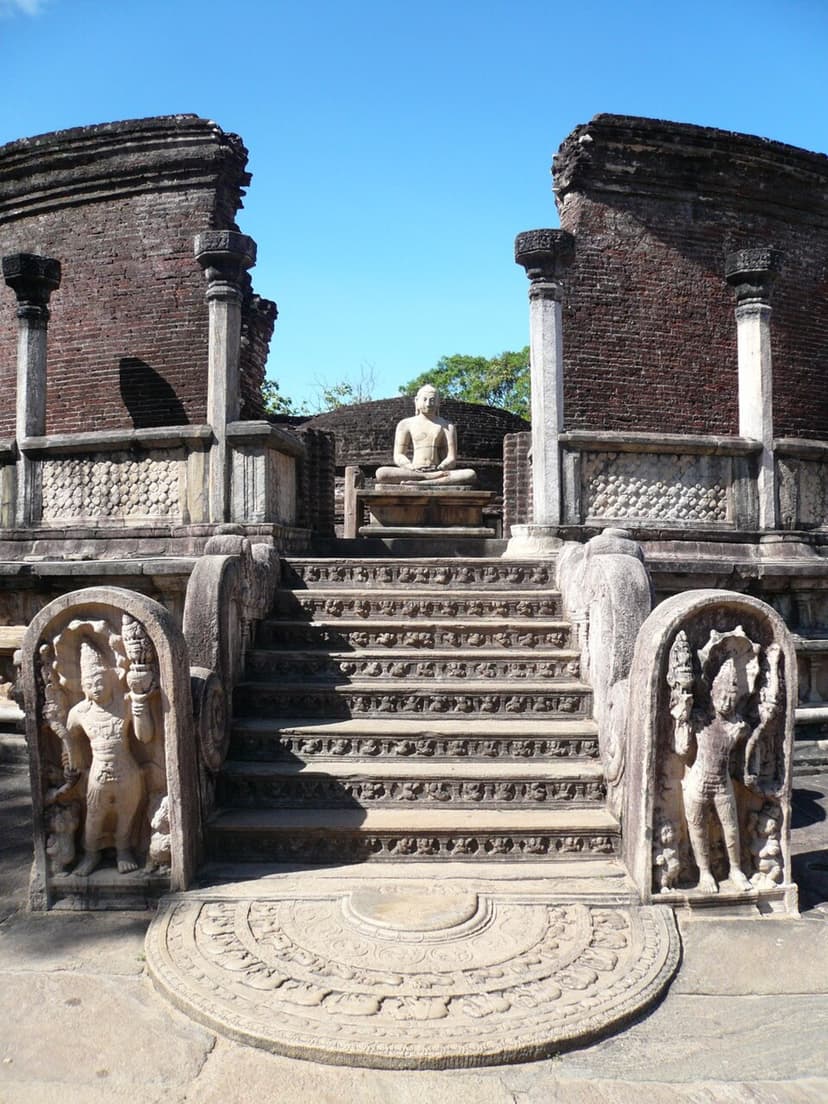
Polonnaruwa Vatadage
The Polonnaruwa Vatadage is a well-preserved ancient Buddhist structure in Polonnaruwa, Sri Lanka, renowned for its architectural sophistication. It likely served as a reliquary for important Buddhist artifacts, such as the Buddha's tooth relic or alms bowl, making it a site of great religious significance during the Kingdom of Polonnaruwa.

Abhayagiriya
Abhayagiriya Vihāra was a prominent Buddhist monastic complex and a royal capital in Anuradhapura, Sri Lanka, historically serving as a major center for Theravada, Mahayana, and Vajrayana Buddhism. It was a significant religious and educational institution, attracting scholars from afar and playing a crucial role in the spread of Buddhism internationally, making it a vital pilgrimage site.
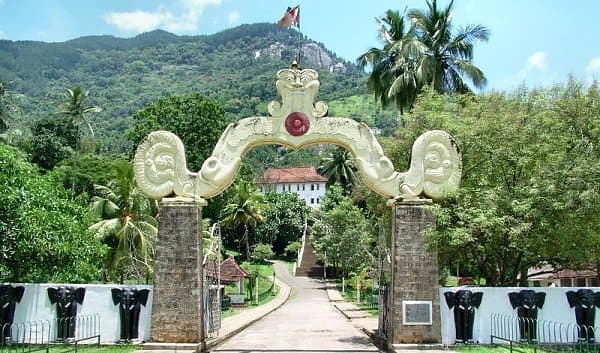
Aluvihare Rock Temple
The Aluvihare Rock Temple, also known as Matale Alu Viharaya, is a significant Buddhist temple in Sri Lanka's Matale District. It holds historical importance as the site where the Pāli Canon was first transcribed onto palm leaves, preserving Buddhist scriptures during times of upheaval. The temple complex features numerous monastery caves, some adorned with ancient inscriptions, frescoes, and Buddha statues, making it a place of both historical preservation and religious devotion.