
Byodo-In Temple
The Byodo-In Temple in Hawaiʻi is a non-denominational Buddhist temple dedicated in 1968 to commemorate the centennial of Japanese immigration to the islands. It is a replica of a 900-year-old temple in Kyoto, Japan, and serves as a significant cultural and spiritual landmark, welcoming visitors of all faiths.
Key Facts
- ›Dedicated in August 1968 to honor the 100th anniversary of the first Japanese immigrants to HawaiʻI.
- ›A replica of the ByōDō-in temple in Uji, Kyoto Prefecture, Japan, which was originally founded in 1052.
- ›Features an 18 ft (5.5 M) gold-covered statue of Amitābha Buddha.
- ›Surrounded by 2 acres of koi ponds and lush Japanese gardens with a backdrop of the Koʻolau Range cliffs.
- ›The temple structure is built largely of concrete, unlike the original wooden Japanese temple.
- ›Has been featured in popular culture, including the TV series Hawaii Five-O and Magnum, P.I., and the movie Pearl Harbor.

Important Relationships
- Byōdō-in (original temple)
- Fujiwara no Yorimichi (founder of original temple)
- Valley of the Temples Memorial Park
- Governor John A. Burns (dedicator)
18 Ft Statue of AmitāBha Buddha, Three-Ton Brass Peace Bell, Koi Ponds Covering 2 Acres, Japanese Gardens, KoʻOlau Range Backdrop, Phoenix Hall Replica
- Dedication In August 1968 To Commemorate the 100th Anniversary of the First Japanese Immigrants To HawaiʻI.
Japanese
About Byodo-In Temple
The Byodo-In Temple, situated on the island of Oʻahu in Hawaiʻi, is a significant cultural and spiritual landmark located within the Valley of the Temples Memorial Park. Dedicated in August 1968, this non-denominational Buddhist temple serves as a tribute to the 100th anniversary of the arrival of the first Japanese immigrants to Hawaiʻi. It is a faithful, albeit smaller-scale, replica of the 900-year-old Byōdō-in, a World Heritage Site in Uji, Kyoto Prefecture, Japan.
Contrary to what its name might suggest, the Byodo-In Temple in Hawaiʻi does not function as a traditional Buddhist temple with a resident monastic community or an active congregation. Instead, it is a place of worship and reflection that welcomes visitors of all faiths. At its heart stands an impressive 18-foot statue of the Lotus Buddha, a wooden image of Amitābha meticulously covered in gold and lacquer. The temple's exterior is adorned with a three-ton brass peace bell, and the surrounding landscape is characterized by extensive koi ponds, lush Japanese gardens, and the dramatic backdrop of the Koʻolau Range cliffs.
The original Byōdō-in in Japan, founded in 1052 by Fujiwara no Yorimichi, was renowned for its Vairocana statue, later replaced by a national treasure, a large wooden statue of Amitābha carved by Jōchō. The replica in Hawaiʻi, constructed in 1968, is largely built of concrete, a contrast to the original wooden structure. The temple grounds have also become a popular venue for events such as weddings and office meetings, and the site has been featured in various popular culture productions, including television series and films, further cementing its place in the cultural landscape of Hawaiʻi.
Source: Wikipedia ↗
Frequently Asked Questions
What is the Byodo-In Temple in Hawaiʻi?
The Byodo-In Temple is a non-denominational Buddhist temple located on Oʻahu, Hawaiʻi. It was built as a replica of a historic Japanese temple and dedicated in 1968 to celebrate the centennial of Japanese immigration to Hawaiʻi.
Is the Byodo-In Temple an active functioning temple?
No, the Byodo-In Temple is not a functioning Buddhist temple in the traditional sense. It does not host a resident monastic community or an active congregation, though it is visited by thousands of worshipers.
What is inside the Byodo-In Temple in Hawaiʻi?
Inside the temple is an 18-foot statue of the Lotus Buddha, which is a wooden image of Amitābha covered in gold and lacquer. The replica also includes fifty-two wooden images of bodhisattvas surrounding the main statue.
What are the grounds of the Byodo-In Temple like?
The temple is surrounded by extensive grounds featuring large koi ponds covering 2 acres, lush Japanese gardens, and a backdrop of the Koʻolau Range cliffs. The gardens are home to various birds, including sparrows, peafowl, and swans.
What is the original temple that the Hawaiʻi Byodo-In Temple is a replica of?
The Byodo-In Temple in Hawaiʻi is a replica of the Byōdō-in, a World Heritage Site located in Uji, Kyoto Prefecture, Japan. The original temple was founded in 1052 during the Heian period.
Related Buddhist Temples
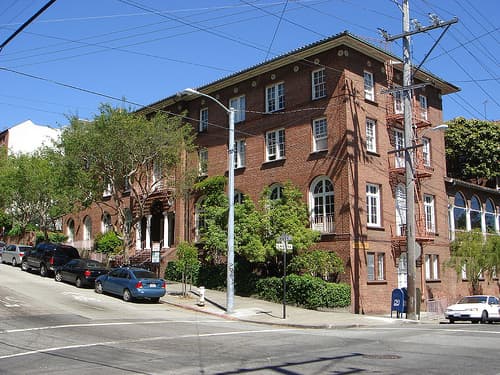
Beginner's Mind Temple
The San Francisco Zen Center (SFZC), established in 1962 by Shunryu Suzuki Roshi and his American students, is a prominent Sōtō Zen organization in the West. Its City Center, also known as Beginner's Mind Temple, is a key practice and retreat center within this network, which also includes Tassajara Zen Mountain Center and Green Gulch Farm Zen Center. SFZC has played a significant role in introducing and developing Zen Buddhism in the United States.

Chuang Yen Monastery
Chuang Yen Monastery is a significant Buddhist temple located on 225 acres in Kent, New York. It is notable for housing the largest indoor statue of the Buddha Vairocana in the Western Hemisphere. The name "Chuang Yen" translates to "Majestically Adorned," reflecting its grandeur and purpose.
Deer Park Buddhist Center and Monastery
Deer Park Buddhist Center and Monastery in Oregon, Wisconsin, is a prominent center for Tibetan Buddhism, founded in 1975 by Geshe Lhundub Sopa. It serves as a monastic and teaching institution, upholding the Dalai Lama's tradition and attracting international students. The center is currently undertaking a significant temple expansion project to house Tibetan art and artifacts, expand educational programs, train new monks, and promote Tibetan freedom.