
Old Cathedral of St Mary
Spain·Vitoria-Gasteiz
The Cathedral of Santa María de Vitoria, also known as the Old Cathedral of St Mary, is a Gothic-style Roman Catholic cathedral located in Vitoria-Gasteiz, Spain. Its construction began in the late 13th century, initially conceived as a fortress church integrated into the city's defenses. It gained significance as a collegiate church before becoming a cathedral in 1861 and was later recognized as a World Heritage Site in 2015 as part of the Camino de Santiago.
Key Facts
- ›Construction began in the late 13th century and continued through the 14th century.
- ›Originally designed as a fortress church, it was part of the city's defensive structures.
- ›Operated as a collegiate church between 1496 and 1861.
- ›Declared a cathedral in 1861.
- ›Declared a Bien de Interés Cultural in 1931.
- ›Designated a World Heritage Site in 2015 as part of the Camino de Santiago.

Gothic, Romanesque
Virgin Mary, Saint Giles, Saint James
About Old Cathedral of St Mary
The Old Cathedral of St Mary, officially the Cathedral of Santa María de Vitoria (Spanish: Catedral de Santa María), is a significant Gothic-style Roman Catholic cathedral situated in Vitoria-Gasteiz, in the Basque Country of Spain. Its construction commenced in the late 13th century and spanned the entirety of the 14th century. Initially conceived as a fortress church, it was integrated into the city's defensive fortifications, giving it a formidable volume and enclosed appearance.
History and Designation
For centuries, the building served as a collegiate church, a role it held from 1496 until 1861, when it was finally declared a cathedral. Its architectural layout follows a Latin-cross plan, featuring a wide transept and a circular apse adorned with numerous chapels. The facade's portals are particularly noteworthy for their rich sculptural decoration. The western portico presents a masterwork of three portals: the central one is consecrated to the Virgin Mary, the left portal is dedicated to Saint Giles, and the right portal depicts the Final Judgment and Saint James.
The cathedral's historical journey includes a period of closure beginning in 1994, following a partial vault collapse and the identification of severe structural damages. Since then, it has been undergoing extensive restoration as part of the Santa Maria Cathedral Foundation's project. This foundation also manages guided tours and oversees the ongoing restoration works. In recognition of its historical and cultural importance, the Old Cathedral of St Mary was declared a Bien de Interés Cultural in 1931 and, in 2015, was inscribed as a World Heritage Site as part of the Camino de Santiago.
Source: Wikipedia ↗
Frequently Asked Questions
What is the architectural style of the Old Cathedral of St Mary?
The cathedral is primarily built in the Gothic style. Its design reflects its initial purpose as a fortress church, featuring a robust structure and enclosed appearance.
When was the Old Cathedral of St Mary constructed?
Construction of the cathedral began in the late 13th century and continued throughout the 14th century. It was later declared a cathedral in 1861.
Why is the Old Cathedral of St Mary significant?
Its significance stems from its historical role as part of Vitoria's defenses and its architectural features. It was declared a World Heritage Site in 2015 as part of the Camino de Santiago, recognizing its importance along the pilgrimage route.
What happened to the Old Cathedral of St Mary in 1994?
The cathedral closed to the public in 1994 due to a partial collapse of a vault and the discovery of major structural damages. Restoration efforts have been ongoing since then.
Is the Old Cathedral of St Mary a UNESCO World Heritage Site?
Yes, the Old Cathedral of St Mary was declared a World Heritage Site in 2015. It is recognized as part of the Camino de Santiago, a significant pilgrimage route.
Related Basilicas

Cathedral of St Mary of the Assumption
The Cathedral of Évora, also known as Sé de Évora, is a significant Roman Catholic church and a prominent historical monument in Évora, Portugal. It is recognized as one of the oldest and most important local structures, serving as the seat of the Archdiocese of Évora and a UNESCO World Heritage Site. Its construction history spans centuries, showcasing a blend of Romanesque, Gothic, and Baroque architectural styles, making it a prime example of Portuguese Gothic architecture.
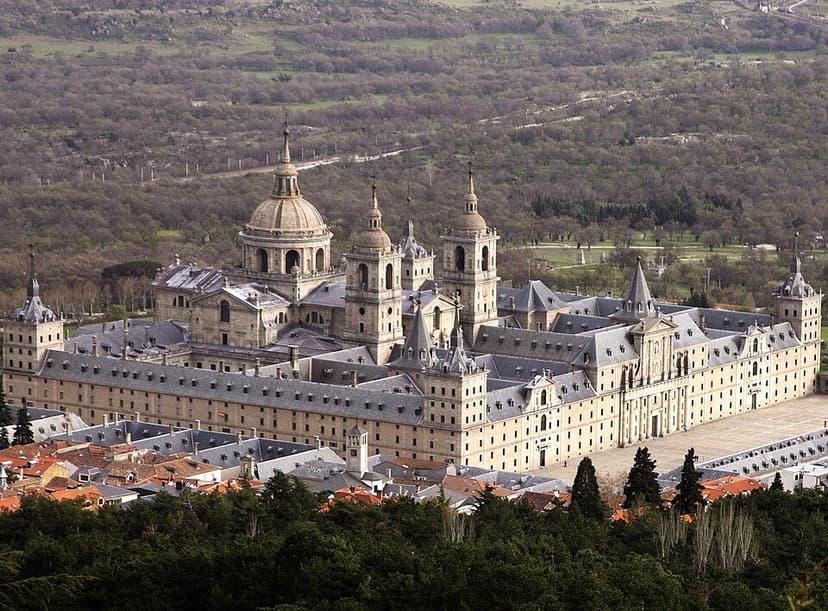
Basilica of St Lawrence, El Escorial
The Royal Site of San Lorenzo de El Escorial, commonly known as El Escorial, is a vast historical complex in Spain that includes a basilica, royal palace, monastery, and pantheon. Commissioned by King Philip II and built between 1563 and 1584, it was designed as a monument to Spain's role as a center of the Christian world and a royal necropolis. Its unique grid-like architecture, inspired by various historical models including the Temple of Solomon, established a new architectural style known as Herrerian.
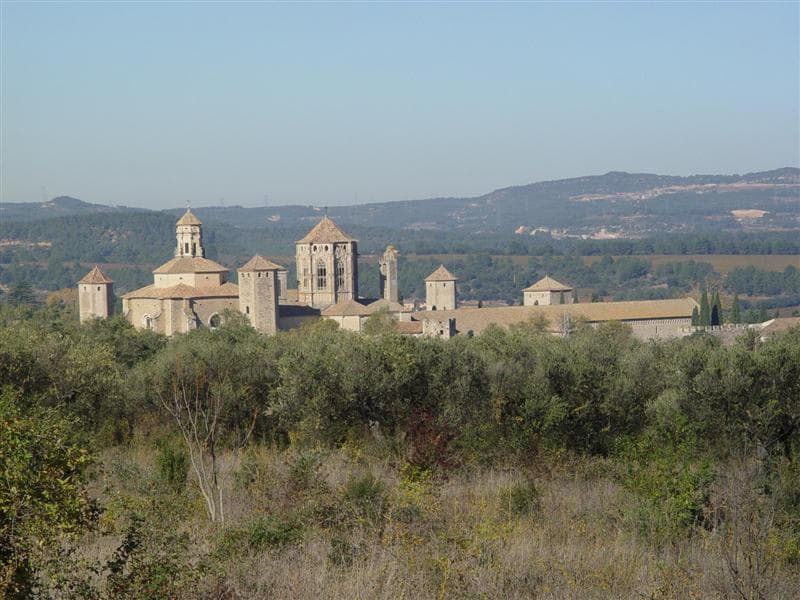
Basilica of St Mary of Poblet, Royal Monastery of Poblet
The Royal Abbey of Santa Maria de Poblet, commonly known as Poblet Abbey, is a significant Cistercian monastery in Catalonia, Spain, founded in 1151. It served as a royal pantheon for the kings of the Crown of Aragon and was a major religious and economic center, housing over 300 monks at its peak. Despite periods of ruin and rebuilding, it remains a UNESCO World Heritage Site and an active monastic community.