
Basilica of St Mary of Poblet, Royal Monastery of Poblet
Spain·Vimbodí i Poblet
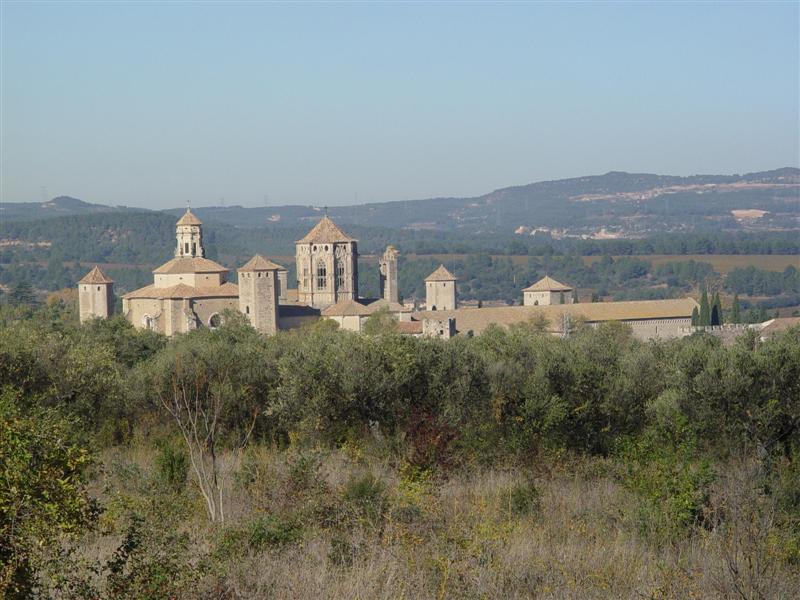
The Royal Abbey of Santa Maria de Poblet, commonly known as Poblet Abbey, is a significant Cistercian monastery in Catalonia, Spain, founded in 1151. It served as a royal pantheon for the kings of the Crown of Aragon and was a major religious and economic center, housing over 300 monks at its peak. Despite periods of ruin and rebuilding, it remains a UNESCO World Heritage Site and an active monastic community.
Key Facts
- ›Founded in 1151 by Cistercian monks from France.
- ›Served as a royal pantheon for the kings of the Crown of Aragon.
- ›Home to over 300 monks and numerous agricultural farms during its zenith.
- ›Suffered damage and closure in the 19th century, leading to ruin.
- ›Refounded in 1940 and has since undergone reconstruction.
- ›Designated a UNESCO World Heritage Site in 1991.
Cistercian
Cistercians
Arnau BarguéS
About Basilica of St Mary of Poblet, Royal Monastery of Poblet
Royal Abbey of Santa Maria de Poblet
The Royal Abbey of Santa Maria de Poblet, commonly known as Poblet Abbey, is a Cistercian monastery of considerable historical and religious importance located in Catalonia, Spain. Founded in 1151 by Cistercian monks arriving from France, it quickly rose to prominence, becoming one of the most influential religious and royal sites in the region.
Royal Pantheon and Spiritual Center
Poblet Abbey holds significant historical weight as one of the two principal royal pantheons for the monarchs of the Crown of Aragon, the other being the Monastery of San Juan de la Peña. Since the reign of James I of Aragon, it was stipulated that Aragonese kings be buried at Poblet. The royal tombs are notable for their alabaster statues, depicting the monarchs with symbolic lion sculptures at their feet for kings and dog sculptures for queens. This tradition underscored the close relationship between the monarchy and the abbey.
At the apex of its influence, Poblet Abbey was a thriving monastic community, home to over 300 monks. It managed extensive agricultural lands and forests through numerous "Cistercian farms," managed by lay brothers, contributing significantly to its economic power and the consolidation of Cistercian influence in Catalonia during the 12th century. The monastery buildings themselves cover an impressive area of approximately 12,000 square meters.
Ruin and Revival
The abbey's history also includes periods of decline and destruction. It suffered damage during the First Carlist War and was eventually closed down in 1835 during the Ecclesiastical Confiscations of Mendizábal. This period, known as the Desamortización, led to the end of monastic life, with the monastery being plundered and parts destroyed by fire. The royal tombs were desecrated, and the remains were temporarily moved to the Cathedral of Tarragona.
However, the spirit of Poblet Abbey endured. In 1940, the monastery was refounded by Italian monks of the same Cistercian order, initiating a significant period of repair and reconstruction. While some areas have been preserved in a ruined state as a historical reminder, the monastic community has been re-established, and the abbey continues its religious life. The restoration of the royal tombs by sculptor Frederic Marés in 1948 and the ongoing presence of the Cistercian Congregation of the Crown of Aragon highlight its enduring legacy.
UNESCO World Heritage Status
Recognizing its profound historical, architectural, and cultural value, Poblet Monastery was inscribed as a UNESCO World Heritage Site in 1991. Today, it remains an active monastery, a testament to centuries of faith, royal patronage, and architectural grandeur, continuing to draw visitors and pilgrims who seek to experience its rich past and present.
Source: Wikipedia ↗
Frequently Asked Questions
When was Poblet Abbey founded?
Poblet Abbey was founded in 1151 by Cistercian monks from France. It was established at the foot of the Prades Mountains in Catalonia, Spain.
What is the significance of Poblet Abbey?
Poblet Abbey was one of the royal pantheons for the kings of the Crown of Aragon, with royal sepulchres featuring alabaster statues. It was also a major economic center during its height, housing over 300 monks.
Which kings and queens are buried at Poblet Abbey?
Several kings and queens of Aragon are buried at Poblet, including Alfonso II, James I, Peter IV, John I, Martin, Ferdinand I, Alfonso V, and John II. Notable figures like Beatrice of Naples and Philip Wharton are also interred here.
What happened to Poblet Abbey in the 19th century?
The monastery was closed down in 1835 due to ecclesiastical confiscations and secularization. It was subsequently plundered, with valuable items removed and parts of the monastery destroyed by fire, leading to its disrepair.
When was Poblet Abbey refounded and rebuilt?
The monastery was refounded in 1940 by Italian monks of the Cistercian order. Repair and reconstruction efforts began thereafter, and the monastic community has since been re-established.
Is Poblet Abbey a UNESCO World Heritage Site?
Yes, Poblet Monastery has been a UNESCO World Heritage Site since 1991. This designation recognizes its historical, cultural, and architectural importance.
Related Basilicas

Cathedral of the Assumption of Mary (Euphrasian Basilica)
The Euphrasian Basilica, officially the Cathedral Basilica of the Assumption of Mary, is a Roman Catholic basilica located in Poreč, Croatia. It is a significant example of early Byzantine architecture in the Mediterranean and is renowned for its exceptionally well-preserved mosaics. The basilica is the cathedral of the Diocese of Poreč-Pula and has been a UNESCO World Heritage Site since 1997.
Basilica of St Mary of the Sea
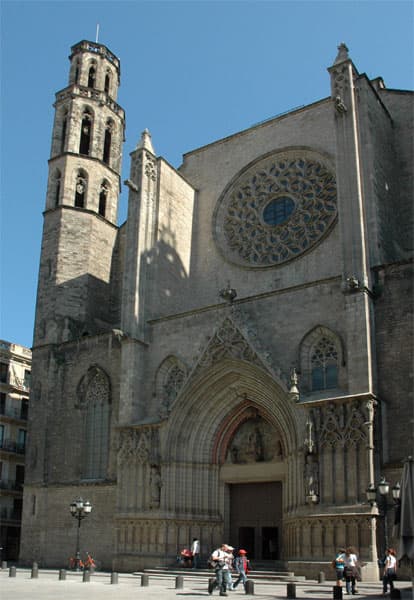
The Basilica of St Mary of the Sea, known in Catalan as Santa Maria del Mar, is a prominent church in Barcelona, Spain, constructed between 1329 and 1383. It stands as a remarkable example of Catalan Gothic architecture, distinguished by its stylistic purity and unity. The basilica holds significance as a testament to the maritime and mercantile power of the Principality of Catalonia during the medieval period, and notably, its construction was supported by the common people rather than the nobility.

Basilica of St Mary the Royal
The Basilica of St Mary the Royal, officially known as Basílica de Santa María la Real de Covadonga, is a Neo-Romanesque Catholic church located in Covadonga, Asturias, Spain. Designated a basilica in 1901, it serves as a monumental sanctuary built to replace an older temple destroyed by fire in 1777, and is dedicated to Our Lady of Covadonga.