
Sandalphon
Sandalphon is an archangel prominent in Rabbinic Jewish and early Christian mystical traditions, though not explicitly mentioned in scripture. He is often depicted as gathering prayers and presenting them to God, and is sometimes identified with the prophet Elijah or as the twin brother of Metatron. Sandalphon holds various roles, including a guardian of unborn children, a master of heavenly song, and a figure associated with the sephirah Malkuth in Kabbalah.
Key Facts
- ›Sandalphon is an archangel in Jewish and Christian mystical traditions.
- ›He is often described as gathering prayers and presenting them to God.
- ›Some traditions identify Sandalphon with the prophet Elijah or as the twin brother of Metatron.
- ›He is associated with the sephirah Malkuth in Kabbalah.
- ›Sandalphon is sometimes referred to as Ophan, referencing Ezekiel's vision of the heavenly chariot.
- ›He is credited with assisting in the differentiation of sex in embryos.

Ophan
Prayer Gatherer, Messenger To God, Protector of Unborn Children, Master of Heavenly Song, Guardian
Wheel Within A Wheel
Metatron, Elijah, Samael, Shekhinah
- Henry Wadsworth Longfellow's Poem 'Sandalphon'
About Sandalphon
Sandalphon is a notable archangel within the mystical traditions of Rabbinic Judaism and early Christianity, though he is not explicitly named in scriptural texts. His primary significance lies in his role as a celestial intermediary, often depicted as gathering the prayers of the faithful and presenting them to God.
Origin and Identity
While absent from scripture, some early sources suggest Sandalphon is the prophet Elijah transfigured and elevated to angelic status. Other traditions, particularly from the midrashic period, describe him as the twin brother of the archangel Metatron, sharing a similar origin rooted in human transformation.
Name and Meaning
The name Sandalphon is thought to have Hebrew and Greek roots. It may be connected to the Hebrew term 'sandek,' meaning godfather, which aligns with traditions of Elijah as a protector of unborn children. Alternatively, it is derived from Greek prefixes 'syn-' (together) and 'adelphos' (brother), suggesting the meaning 'co-brother,' likely referencing his kinship with Metatron.
Descriptions and Functions
Sandalphon is consistently described as an angel of immense stature, with some legends claiming his head reaches the heavens. He is recognized as a member of the 'śārim' (princes) and a 'Hazzan' (master of heavenly song). In Kabbalistic thought, Sandalphon represents the sephirah Malkuth and is closely associated with, or sometimes conflated with, Metatron. He is said to appear before the divine feminine presence, the Shekhinah, to receive human prayers and transmit them upwards. In some texts, he is also credited with a role in the differentiation of sex in embryos. The name 'Ophan,' meaning 'wheel,' is also associated with him, referencing the visionary imagery of Ezekiel's chariot.
Literary Depictions
Sandalphon has inspired artistic and literary works, most notably being the subject of Henry Wadsworth Longfellow's 1842 poem titled "Sandalphon."
Source: Wikipedia ↗
Frequently Asked Questions
What is the origin of the name Sandalphon?
The name Sandalphon has possible Hebrew and Greek origins. It may be related to the Hebrew word 'sandek' (godfather), or derived from Greek 'syn-' (together) and 'adelphos' (brother), suggesting 'co-brother'.
What are the main roles attributed to Sandalphon?
Sandalphon's primary role is often seen as gathering prayers and passing them to God. He is also described as a protector of unborn children, a master of heavenly song, and a figure associated with the sephirah Malkuth in Kabbalah.
Is Sandalphon mentioned in the Bible or Quran?
No, Sandalphon is not explicitly referenced in the scriptural texts of the Bible or the Quran. His prominence is found in mystical literary traditions such as the Midrash, Talmud, and Kabbalah.
What is Sandalphon's relationship to Metatron?
Some traditions describe Sandalphon as the twin brother of Metatron. Both are sometimes seen as having human origins, similar to the prophet Enoch's transformation into Metatron.
How is Sandalphon physically described?
Sandalphon is consistently depicted as extremely tall, with some accounts stating his head reaches heaven. He is described as exceeding other angels in height significantly.
What is Sandalphon's connection to the Ark of the Covenant?
In the Greater Key of Solomon, Sandalphon is designated as the 'left-hand feminine cherub of the Ark of the Covenant'.
Related Angels
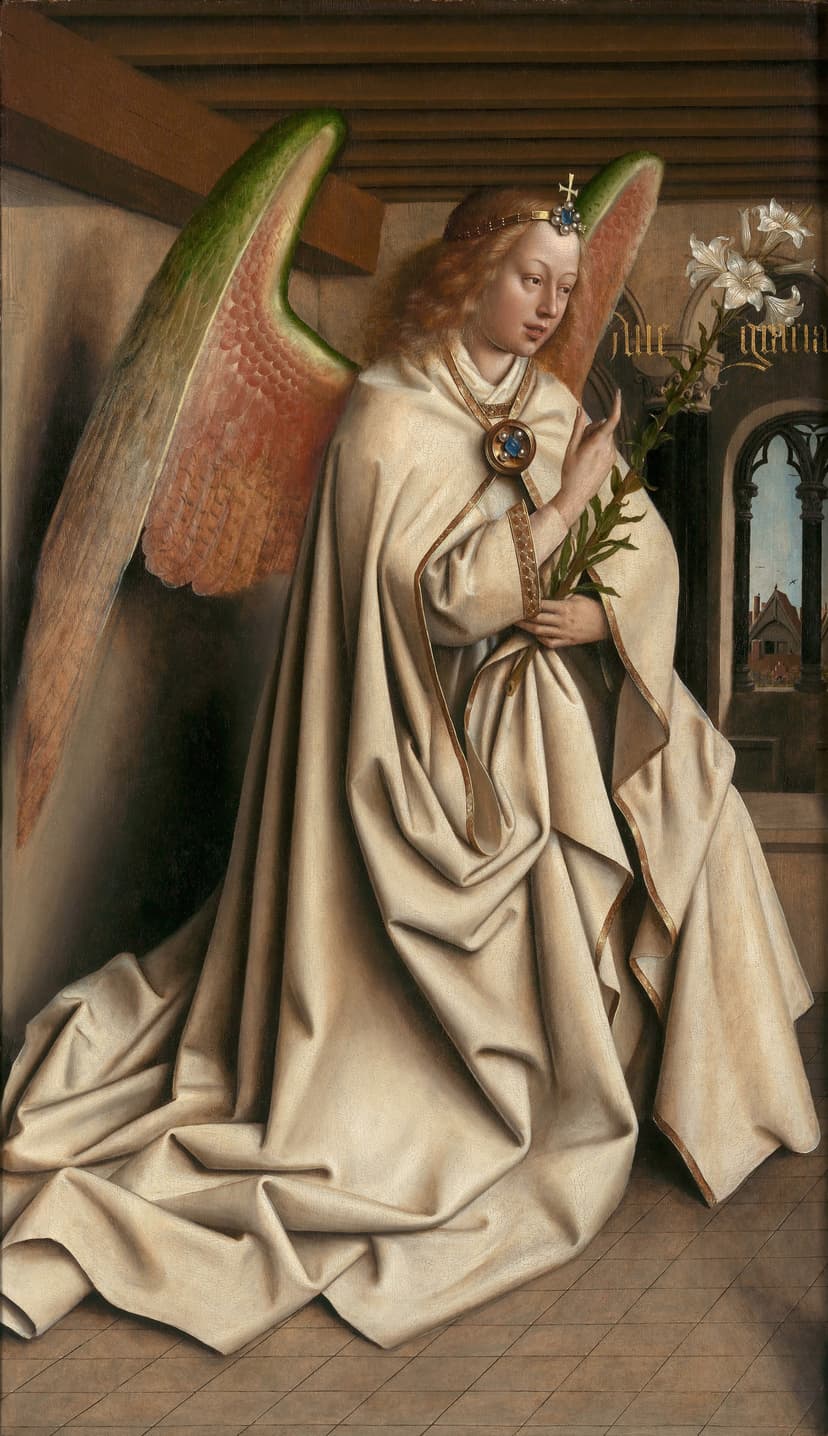
Gabriel
Gabriel is an archangel venerated in Abrahamic religions, primarily serving as God's messenger. He is known for announcing divine will and significant events, such as the births of John the Baptist and Jesus. Gabriel plays a crucial role in interpreting visions and is considered a guardian angel in some traditions.
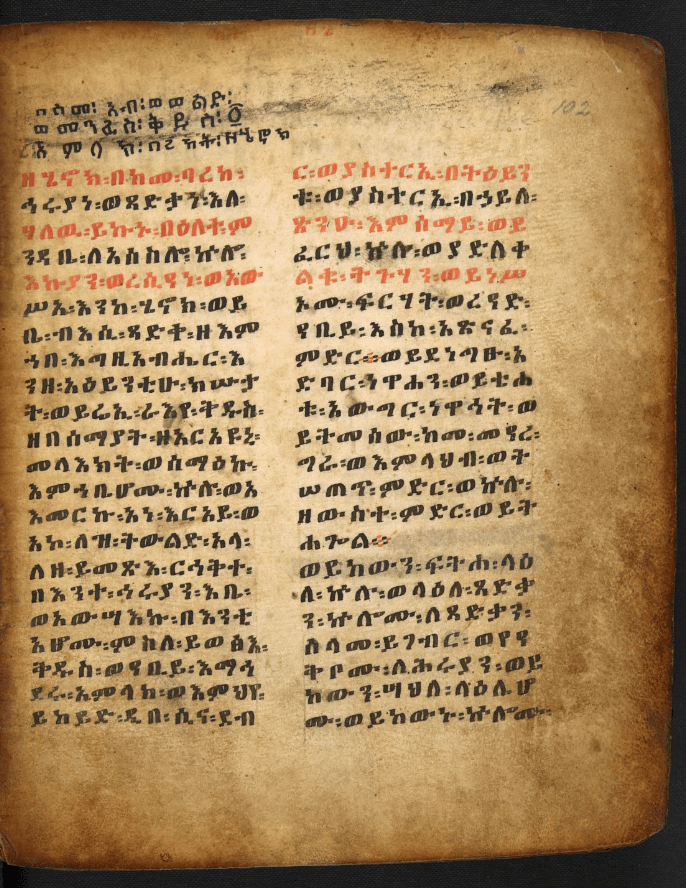
Gadreel
The Book of Enoch details the fall of the Watchers, angels who fathered the Nephilim, and describes Enoch's heavenly journeys and revelations. It provides unique insights into the origins of demons, the moral necessity of the Genesis flood, and the future reign of the Messiah. While not canonical in most Jewish and Christian traditions, it holds significance for the Beta Israel and Ethiopian Orthodox Tewahedo Church.
Jerahmeel
Jerahmeel is a name appearing in the Hebrew Bible (Tanakh), meaning "He will obtain mercy of God" or "God pities." The name is associated with at least three distinct individuals: a descendant of Judah, a Levite appointed by King David, and a royal official under King Jehoiakim. Additionally, the name Jerahmeel is linked to a people inhabiting the Negev region, and in some apocryphal texts, it refers to an archangel.