
Metatron
Judaism·Prince of the Presence
Metatron is a prominent angel in Jewish tradition, recognized as the celestial scribe and often identified with the transformed biblical figure Enoch. He holds a significant position, sometimes described as serving near the throne of glory, and his name's origin is a subject of scholarly debate. Metatron is also acknowledged in some branches of Sufism as the angel of the veil.
Key Facts
- ›Metatron is identified in Jewish apocrypha and early Kabbalah as the transformed angel Enoch.
- ›He is often portrayed as the celestial scribe, recording deeds in heaven.
- ›The origin and etymology of the name Metatron are uncertain and debated among scholars.
- ›Some traditions associate Metatron with the "Lesser YHWH" or "Lesser Yahweh."
- ›In various texts, Metatron is described as occupying a throne next to the throne of glory.
- ›He is sometimes identified with other figures like Michael or Yahoel in different interpretations.
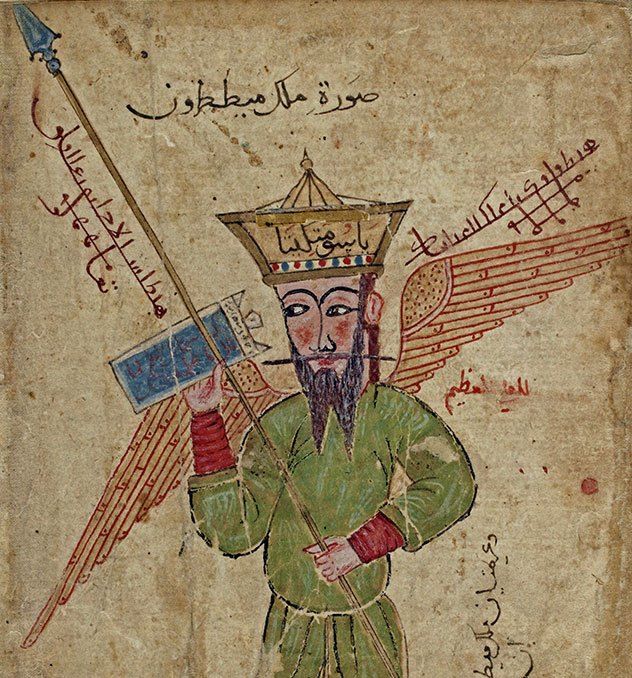
Matatron, Mīṭaṭrūn, Lesser YHWH, Lesser Yahweh
Celestial Scribe, Guide, Messenger
Crown, Lance, Staff of Moses
Enoch, Michael, Yahoel, Melchizedek, Sandalphon
- Thomas Pynchon's Novel Gravity's Rainbow
- Neil Gaiman and Terry Pratchett's Novel Good Omens and Its Tv Adaptation
- Philip Pullman's His Dark Materials Novel Series and Its Tv Adaptation
- the Movie Dogma
- Carlos Santana's Musical Communications
- the Tv Series Supernatural
- the Mars Volta's Album the Bedlam In Goliath
About Metatron
Metatron, also known as Matatron, is a significant angelic figure primarily within Jewish mysticism and rabbinic literature. He is most famously identified with the biblical patriarch Enoch, who, after walking with God, was transformed into an angel. This transformation is intricately linked to Metatron's identity, with traditions describing him as having his flesh turned to flame and his veins to fire, subsequently receiving the name Metatron and being placed on a throne next to the throne of glory.
Roles and Titles
Metatron is often portrayed as the celestial scribe, responsible for recording the deeds of Israel and serving as a cosmic accountant. He is also referred to as the "Prince of the Presence" or "Prince of the World," indicating a high rank and important duties within the heavenly hierarchy. In some texts, he is even called the "Lesser YHWH" or "Lesser Yahweh," a designation that has sparked scholarly debate and discussions about divine dualism in Jewish thought.
Origins and Etymology
The precise origin and meaning of the name "Metatron" remain a subject of scholarly discussion, with no definitive consensus. Proposed etymologies include derivations from Hebrew words signifying "keeper of the watch" or "to guard," from the Old Persian name Mithra, or from Greek words suggesting a position "after the throne." These varied theories reflect the complex and multifaceted nature of Metatron's development within different interpretive streams.
Depictions in Texts
Metatron appears in various pivotal texts, including the Talmud, where his role as the Heavenly Scribe is highlighted, and in apocryphal works like 3 Enoch (also known as the "Book of Enoch" or "Book of [the Heavenly] Palaces"). These texts detail his transformation from Enoch and his elevated status. He is also recognized in some mystical branches of Sufism as the angel of the veil.
Symbolism and Legacy
Metatron is associated with symbols such as a crown and lance, and sometimes the Staff of Moses. His character has been interpreted in diverse ways, serving as a metaphor for various biblical figures in the Zohar. Beyond religious contexts, Metatron has found a place in modern popular culture, appearing in literature, film, and television, often as a divine messenger or a powerful angelic being.
Source: Wikipedia ↗
Frequently Asked Questions
Who is Metatron in Judaism?
Metatron is an angel in Jewish tradition, most notably identified with the biblical figure Enoch after his transformation into an angelic being. He is often depicted as the celestial scribe and holds a high position in the heavenly realms.
Is Metatron mentioned in the Bible?
The name Metatron is not explicitly mentioned in the Torah or the Bible. Its presence is primarily found in later rabbinic literature, apocrypha, and mystical texts.
What is Metatron's role?
Metatron's primary role is often described as the celestial scribe, responsible for recording the deeds of humanity. He is also depicted as a guide and a prince of the divine presence.
What are the theories about the origin of Metatron's name?
Scholars have proposed various etymologies for the name Metatron, including connections to Hebrew words like 'keeper of the watch' or 'to guard,' Old Persian 'Mithra,' or Greek words suggesting 'one who serves behind the throne.' However, there is no scholarly consensus on its precise origin.
How is Metatron depicted in the Talmud?
In the Talmud, Metatron is mentioned in passages that discuss his role as the Heavenly Scribe and his proximity to God. One passage describes an incident where he was punished with fiery rods to demonstrate he was an angel, not a deity.
Is Metatron considered a divine being?
While Metatron holds a highly exalted position and is sometimes referred to as the "Lesser YHWH," rabbinic tradition generally distinguishes him as an angel. An incident in the Talmud illustrates this by showing he could be punished, unlike a divine being.
Related Angels
Gadreel
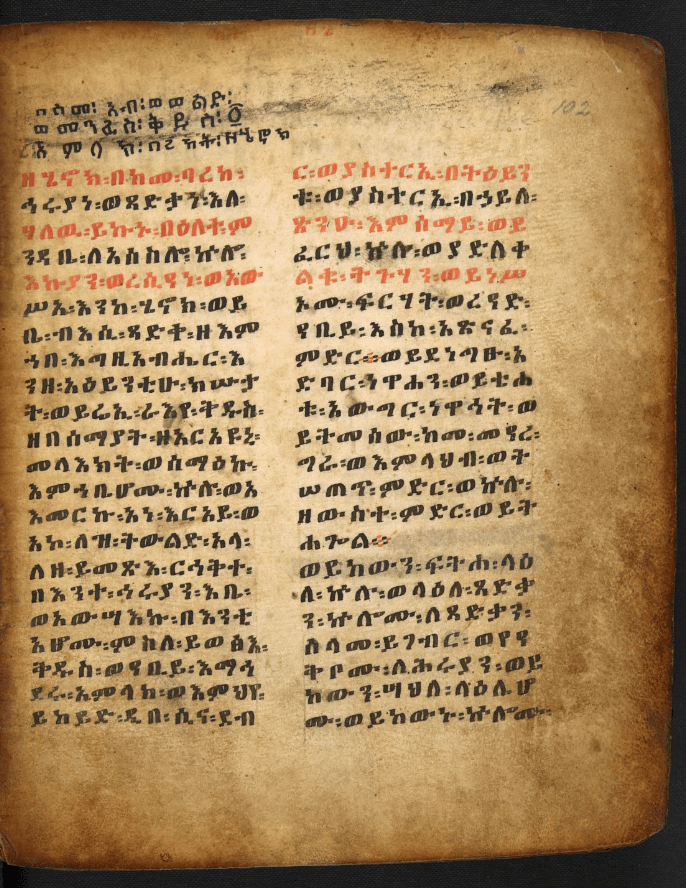
The Book of Enoch details the fall of the Watchers, angels who fathered the Nephilim, and describes Enoch's heavenly journeys and revelations. It provides unique insights into the origins of demons, the moral necessity of the Genesis flood, and the future reign of the Messiah. While not canonical in most Jewish and Christian traditions, it holds significance for the Beta Israel and Ethiopian Orthodox Tewahedo Church.
Jerahmeel
Jerahmeel is a name appearing in the Hebrew Bible (Tanakh), meaning "He will obtain mercy of God" or "God pities." The name is associated with at least three distinct individuals: a descendant of Judah, a Levite appointed by King David, and a royal official under King Jehoiakim. Additionally, the name Jerahmeel is linked to a people inhabiting the Negev region, and in some apocryphal texts, it refers to an archangel.
Michael
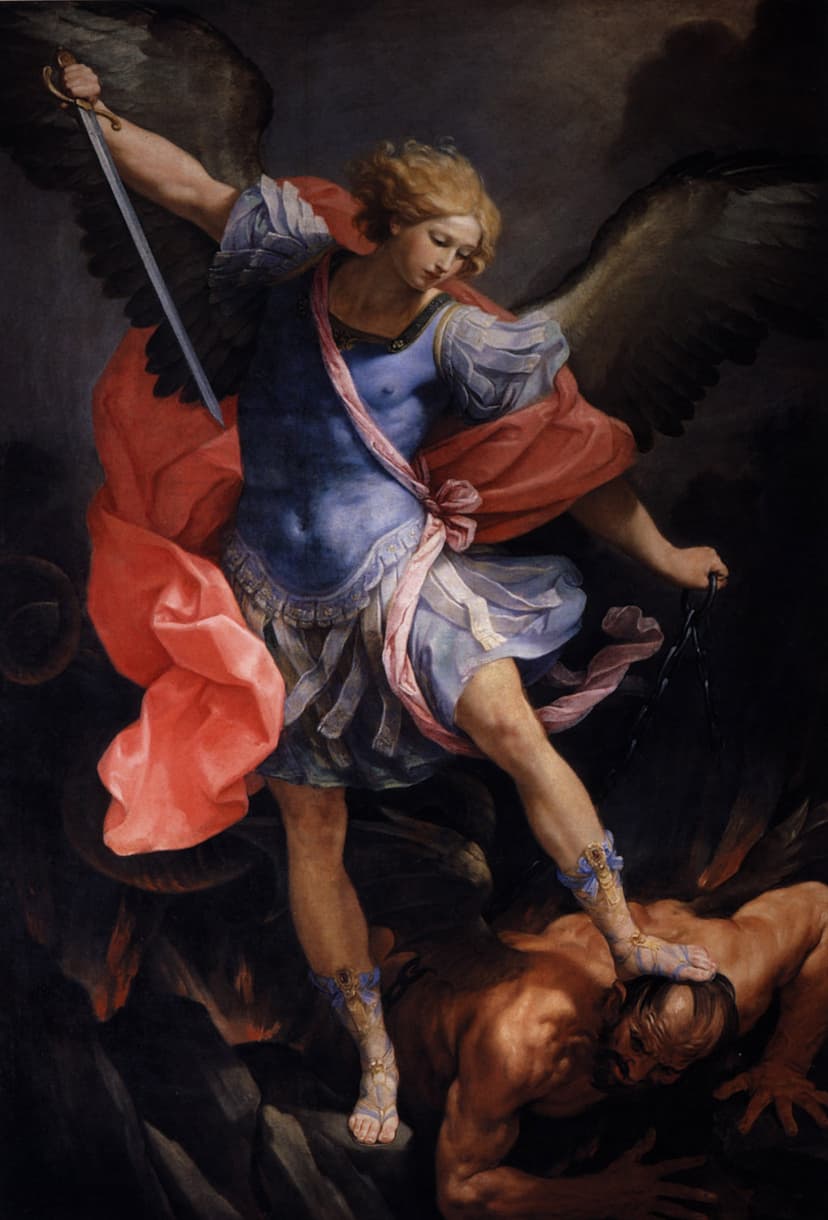
Michael is a prominent archangel venerated across Judaism, Christianity, and Islam, often depicted as God's warrior and chief defender of His people. He is recognized for his role in battling evil, guarding the Israelites, and escorting souls to the afterlife. Across various traditions, Michael is seen as a powerful intercessor and a symbol of divine justice and protection.