
Jerahmeel
Jerahmeel is a name appearing in the Hebrew Bible (Tanakh), meaning "He will obtain mercy of God" or "God pities." The name is associated with at least three distinct individuals: a descendant of Judah, a Levite appointed by King David, and a royal official under King Jehoiakim. Additionally, the name Jerahmeel is linked to a people inhabiting the Negev region, and in some apocryphal texts, it refers to an archangel.
Key Facts
- ›The name Jerahmeel has Hebrew origins, translating to "he will obtain mercy of God" or similar compassionate meanings.
- ›Biblical genealogies identify a Jerahmeel as a son of Hezron and great-grandson of Judah.
- ›Another Jerahmeel is listed as a Levite in the service of King David, tasked with administering temple worship.
- ›A royal official named Jerahmeel, identified as "the king's son," was sent to apprehend Jeremiah the prophet.
- ›The Jerahmeelites were a people associated with the Negev region, with whom David had complex interactions.
- ›In some non-canonical writings, Jerahmeel is recognized as an archangel, sometimes referred to by variations like Jeremiel or Ramiel.
Jeremiel, Eremiel, Remiel
Messenger
1 Chronicles 2:9, 1 Chronicles 2:25–26, 1 Chronicles 2:42, 1 Chronicles 24:29, Jeremiah 36:26, 1 Samuel 27:10, 1 Samuel 30:29
Mercy, Compassion
Judah, Jacob, David, Baruch Ben Neriah, Jeremiah
- the 'Chronicles of Jerahmeel' Is A Medieval Document.
About Jerahmeel
The name Jerahmeel (Hebrew: יְרַחְמְאֵל, Yəraḥməʾēl) appears multiple times within the Tanakh, the Hebrew Bible. Its etymology suggests meanings such as "He will obtain mercy of God," "God pities," or "May God have compassion," reflecting themes of divine pity and leniency.
Bearers of the Name in the Tanakh
The Tanakh records at least three distinct individuals bearing the name Jerahmeel:
- A Descendant of Judah: Identified as a son of Hezron and great-grandson of Judah, son of Jacob, his lineage is detailed in the genealogies of 1 Chronicles.
- A Levite Official: Jerahmeel is also named as a son of Kish and one of the Levites appointed by King David to oversee and administer the temple worship, as described in 1 Chronicles.
- A Royal Official: In the Book of Jeremiah, a Jerahmeel, identified as "the king's son," is mentioned as being sent by King Jehoiakim to arrest the prophet Baruch ben Neriah and Jeremiah himself. An ancient bulla inscribed with "Jerahmeel the king's son" has been discovered and is considered authentic.
The Jerahmeelites and Apocryphal Traditions
Beyond individuals, the name is also associated with the Jerahmeelites, a people who presumably descended from the first Jerahmeel mentioned. They inhabited the Negev region. King David, during his time serving the Philistines, claimed to have attacked them, though other accounts suggest he was on friendly terms with them. In some deuterocanonical and apocryphal writings, Jerahmeel is recognized as an archangel, sometimes referred to by variations like Jeremiel, Eremiel, or Remiel, functioning as a divine messenger.
The 'Chronicles of Jerahmeel'
Separately, the "Chronicles of Jerahmeel" is a medieval document attributed to the 12th-century Jewish historian Jerahmeel ben Solomon. This text is distinct from the biblical figures and traditions associated with the name Jerahmeel.
Source: Wikipedia ↗
Frequently Asked Questions
What does the name Jerahmeel mean?
The name Jerahmeel originates from Hebrew and carries meanings such as "He will obtain mercy of God," "God pities," or "May God have compassion."
Who were the distinct individuals named Jerahmeel in the Tanakh?
The Tanakh mentions at least three individuals named Jerahmeel: a descendant of Judah, a Levite appointed by King David, and a royal official sent to arrest the prophet Jeremiah.
What is the significance of the Jerahmeelites?
The Jerahmeelites were a people believed to have inhabited the Negev region. Their interactions with King David are described in the books of Samuel, with David claiming to have attacked them while in Philistine service, though he was also on friendly terms with them.
Is Jerahmeel mentioned as an archangel?
Yes, in certain deuterocanonical and apocryphal writings, Jerahmeel is referenced as an archangel. In these traditions, the name may also appear in variations such as Jeremiel, Eremiel, or Remiel.
What is the 'Chronicles of Jerahmeel'?
The 'Chronicles of Jerahmeel' is a medieval document attributed to the 12th-century Jewish historian Jerahmeel ben Solomon. This work is distinct from the biblical figures and peoples named Jerahmeel.
Related Angels
Gadreel
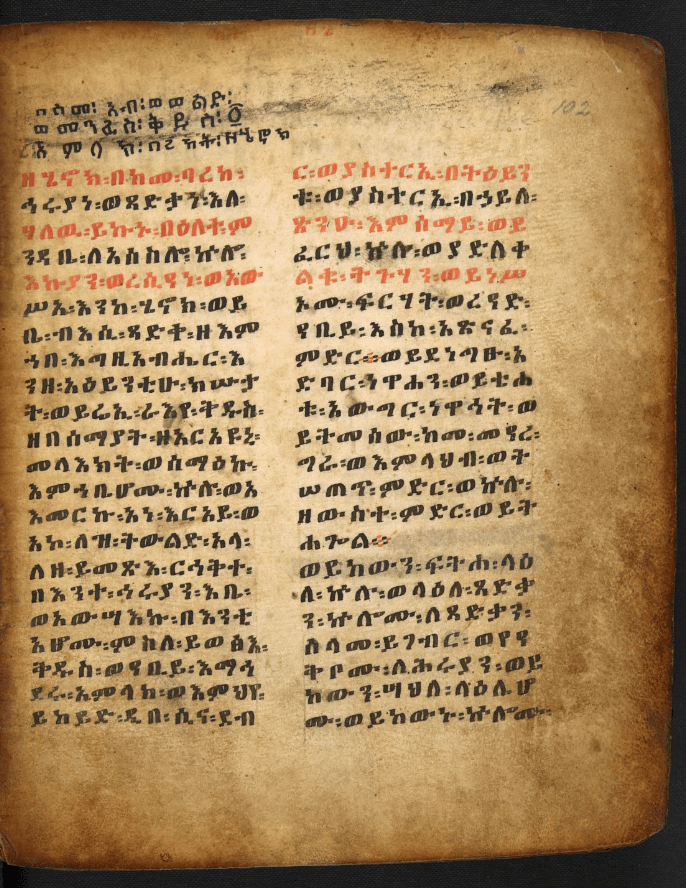
The Book of Enoch details the fall of the Watchers, angels who fathered the Nephilim, and describes Enoch's heavenly journeys and revelations. It provides unique insights into the origins of demons, the moral necessity of the Genesis flood, and the future reign of the Messiah. While not canonical in most Jewish and Christian traditions, it holds significance for the Beta Israel and Ethiopian Orthodox Tewahedo Church.

Sandalphon
Sandalphon is an archangel prominent in Rabbinic Jewish and early Christian mystical traditions, though not explicitly mentioned in scripture. He is often depicted as gathering prayers and presenting them to God, and is sometimes identified with the prophet Elijah or as the twin brother of Metatron. Sandalphon holds various roles, including a guardian of unborn children, a master of heavenly song, and a figure associated with the sephirah Malkuth in Kabbalah.

Uriel
Uriel is recognized as an archangel in various Jewish, Christian, and esoteric traditions. He is often associated with divine wisdom, knowledge, and truth, and is sometimes depicted as an angel of repentance or the angel of God's presence. Across different texts, Uriel plays roles ranging from instructing prophets to guarding sacred places and intervening in earthly events, cementing his importance in angelology.