
Mastema
Mastema is an antagonistic angel primarily appearing in the Book of Jubilees, personifying the Hebrew word for "hatred" or "persecution." He is depicted as the chief of the demons and spirits of the Nephilim, tasked with tempting and corrupting humanity, though he remains subordinate to God. His role is analogous to Satan in the Book of Job, serving as an agent of divine testing and judgment.
Key Facts
- ›Mastema is an antagonistic angel originating from the Book of Jubilees.
- ›He is the chief of the demons and spirits of the Nephilim, responsible for tempting humanity.
- ›Mastema acts with God's permission, testing individuals and nations.
- ›He substitutes for God in attributing malevolent actions in the Torah, thereby absolving God of direct evil.
- ›Despite his antagonistic role, Mastema never harms God's devoted servants.
- ›His function bears similarities to Iblis in the Quran and Satan in the Book of Job.
Mastemat, Mansemat, Masetemah, Mal'ak ha-mastema (as 'angel of mastema')
Temptation, Testing, Corruption, Agent of Divine Judgment
Book of Jubilees, Dead Sea Scrolls
Nephilim, Watchers, Belial, Satan, Iblis
Anne Rice's Novel Vittorio the Vampire, Megami Tensei Video Game Series, Digimon Story: Cyber Sleuth, Yu-Gi-Oh! Trading Card Game, Birthright Comic Book, Arknights Mobile Game, Maplestory Mmorpg, Film "Mastungma"
About Mastema
Mastema is a significant figure in ancient Jewish literature, most notably appearing in the Book of Jubilees as an antagonistic angel. The name itself is derived from the Hebrew word "mastemah," which translates to "hatred," "hostility," or "persecution," reflecting his primary role in the narrative. He is often depicted as the chief of demons and the spirits of the Nephilim, beings born from the union of fallen angels and human women.
Role and Function
Within the Book of Jubilees, Mastema's function is to tempt and corrupt humanity, acting as an agent of divine testing. He requests permission from God to control a host of demons to carry out these tasks. Notably, Mastema is depicted as substituting for Yahweh in attributing malevolent actions within the Torah, thereby absolving God of direct involvement in evil. However, Mastema remains subordinate to the divine will, acting only with God's permission and never harming God's faithful servants. His actions are often directed towards non-Jewish nations, suggesting a role in testing or punishing those outside of God's chosen people.
Historical and Theological Significance
The figure of Mastema is considered by some scholars to represent a step in the development of the concept of the Devil during the Second Temple period. By personifying evil and attributing negative actions to a subordinate angel, the authors of Jubilees could maintain a conception of God as purely good, while still acknowledging the existence of evil in the world. His role is often compared to that of Satan in the Book of Job and Iblis in the Quran, both of whom serve God by testing or tempting humanity.
Mentions in Other Texts
The name "Mastema" or related phrases like "angel of mastema" also appear in the Dead Sea Scrolls, particularly in the Damascus Document and the Serek ha-Yahad. While sometimes used to refer to a specific entity, the context in the Scrolls can also suggest "mastema" as a descriptor for a type of angel associated with Belial, an angel of darkness and wickedness. Outside of these ancient texts, Mastema has been adapted into various works of fiction, including novels, video games, and trading card games, often portrayed as a demon or a fallen angel with significant power.
Source: Wikipedia ↗
Frequently Asked Questions
Who is Mastema?
Mastema is an antagonistic angel featured in the ancient Jewish text, the Book of Jubilees. He is described as the chief of demons and spirits, personifying concepts like hatred and persecution.
What is Mastema's role in the Book of Jubilees?
In the Book of Jubilees, Mastema requests and receives permission from God to control demons and spirits of the Nephilim to tempt and corrupt humanity. He is depicted as testing various prophets and substituting for God in attributing malevolent actions in the Torah.
Is Mastema a fallen angel?
While Mastema is an antagonistic figure and leads demons, the text implies he is an angel working for God, as he does not fear imprisonment. His exact status as a "fallen" angel in the same vein as Lucifer is not explicitly detailed, but he is clearly subordinate to the divine will.
How does Mastema differ from Satan?
Mastema's function is similar to Satan in the Book of Job, acting as a servant of God to test humanity. However, Mastema is more directly involved in substituting God's actions in the Torah, while Satan's role is more focused on testing Job's faith.
Are there any parallels to Mastema in other traditions?
Yes, Mastema's role is paralleled by Iblis in the Quran, who also requests God's permission to tempt humanity and leads demons. He is also comparable to Belial in some interpretations of the Dead Sea Scrolls.
Does Mastema harm God's faithful followers?
According to the Book of Jubilees, Mastema never harms God's servants. His actions are always by divine permission, and he is restrained if he attempts to harm those loyal to God. His influence is primarily seen in his ability to cause harm to non-Jewish nations.
Related Angels
Abaddon
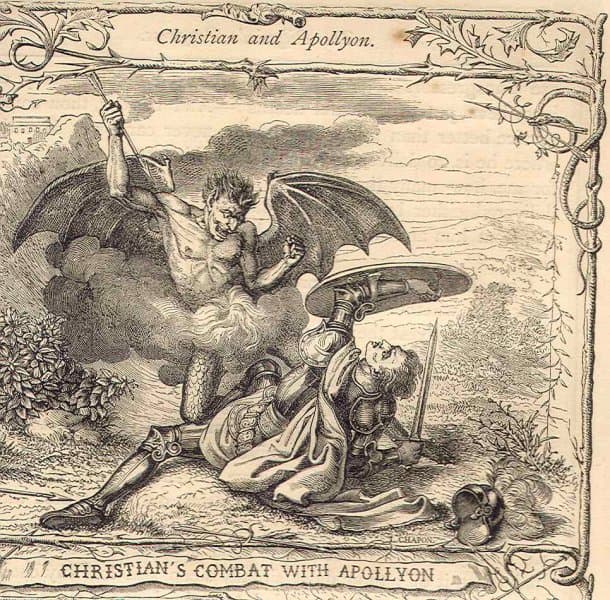
Abaddon, a term originating from Hebrew meaning "destruction" and its Greek equivalent Apollyon meaning "Destroyer," initially referred to a place of destruction or the realm of the dead in the Hebrew Bible. In the New Testament's Book of Revelation, Abaddon is depicted as an angel of the abyss and the king of a locust army, though his identity and role have been subject to various interpretations across different Christian traditions.
Adriel
Adriel was a nobleman from the ancient kingdom of Israel, mentioned in the Bible. His name, derived from Hebrew, signifies "flock of God." He is primarily known through biblical accounts detailing his marital relationships with two of King Saul's daughters, Merab and potentially Michal.
Agiel
Agiel is identified as the Intelligence or beneficial spirit associated with the planet Saturn. He is mentioned in esoteric texts like the Key of Solomon, where he is described as a spirit that can be invoked. Agiel's role is often linked to the beneficial influences and operations connected to Saturn.